
Ask Pulse Ai
Services
Knowledge Hub
Resources
Tools
Ask Pulse Ai
Services







©PropTech Pulse 2025, All rights reserved.

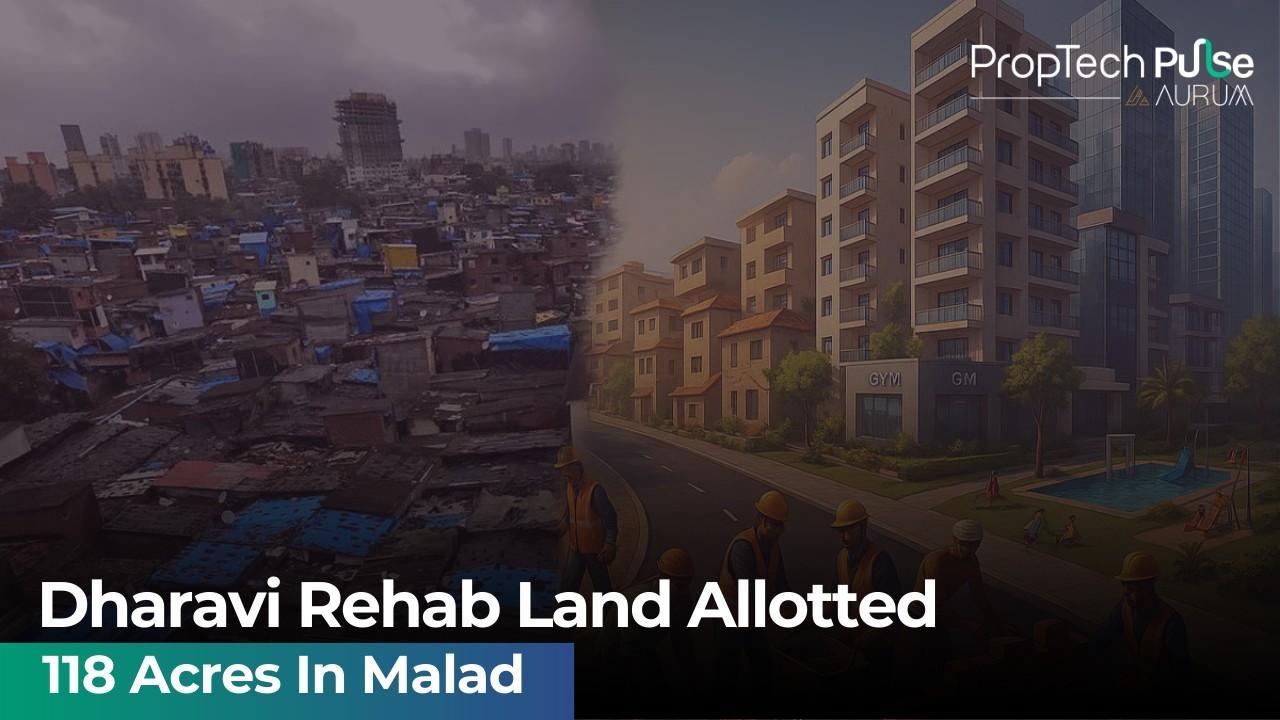
118 Acres Allocated For Rehabilitation
The Maharashtra government has handed over 118 acres of land in Malad to facilitate the rehabilitation component of the Dharavi redevelopment project. The allocation is a significant administrative step aimed at ensuring that displaced residents are provided with structured housing solutions as part of the large-scale urban renewal initiative.
Dharavi Redevelopment Framework
The Dharavi redevelopment plan is one of Mumbai’s most ambitious urban transformation projects, designed to replace informal settlements with planned residential, commercial, and infrastructure development. The rehabilitation component remains central to the project’s social and legal viability, reinforcing inclusive urban redevelopment objectives.
Role of Malad Land In The Plan
The identified 118-acre parcel in Malad is intended to accommodate eligible residents who are to be rehabilitated under the scheme. Allocating land in an established suburban corridor strengthens structured relocation planning while aligning with infrastructure availability in the western suburbs.
Balancing Rehabilitation And Commercial Development
Large-scale redevelopment projects often combine free-sale components with rehabilitation housing. Securing adequate land for displaced residents ensures that equitable resettlement commitments remain integral to overall project execution.
Infrastructure And Connectivity Considerations
Malad benefits from suburban rail connectivity, road networks, and expanding metro infrastructure. Relocating residents to a well-connected zone enhances access to employment and civic amenities, supporting long-term habitability.
Urban Renewal And Land Management
Land allocation for rehabilitation reflects coordinated urban planning between state authorities and redevelopment agencies. Effective land management is critical to ensuring timely project execution and stakeholder alignment.
Scale And Social Impact
Dharavi redevelopment is expected to impact a large population, making rehabilitation logistics a key operational priority. Allocating a substantial land parcel reinforces administrative commitment to resettlement planning within Mumbai’s redevelopment landscape.
Regulatory And Execution Framework
Implementation will require adherence to housing eligibility norms, construction timelines, and infrastructure provisioning standards. Structured planning supports compliance with statutory rehabilitation guidelines and long-term sustainability.
Implications For Mumbai Real Estate
Redevelopment initiatives of this scale reshape land use patterns and influence supply distribution across suburban markets. The Malad allocation contributes to decentralised residential density management within the Mumbai Metropolitan Region.
Long Term Outlook
With land now handed over for rehabilitation, the Dharavi redevelopment plan moves closer to execution milestones. Continued coordination between authorities and developers will be critical in ensuring balanced urban transformation outcomes.
Conclusion
The allocation of 118 acres in Malad for Dharavi rehabilitation marks a key step in one of Mumbai’s largest redevelopment projects. Structured land provisioning underscores the focus on inclusive resettlement within large-scale urban renewal.
Enjoyed this update? Visit PropTech Pulse for more real estate news and market insights.



Unlock the Latest in Real Estate
News, Infographics, Blogs & More! Delivered to your inbox.