New Launch - India Real Estate Report 2026.











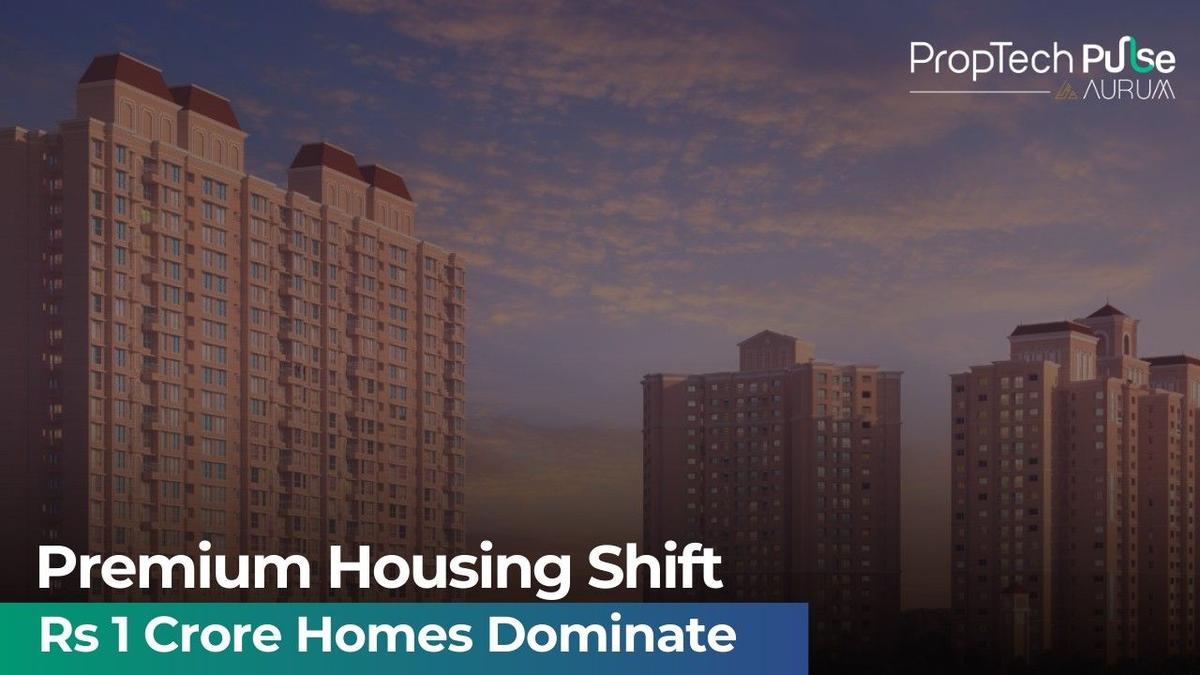
Over the past few years, the residential real estate market has undergone a clear structural transition. Homes priced around Rs 1 crore are now accounting for a substantial share of overall housing sales, marking a departure from the earlier dominance of affordable housing. This change reflects broader economic and social shifts, including rising household incomes, evolving consumer aspirations, and greater willingness among buyers to invest in long-term residential assets.
The growing preference for higher-priced homes is closely linked to changing lifestyle expectations. Buyers are increasingly seeking residences that offer enhanced living standards, better construction quality, and integrated amenities. As a result, the market has seen a steady rise in demand for premium housing that balances comfort, location, and perceived value appreciation.
The Rise of Premium Properties
The demand for Rs 1 crore homes is being driven by a combination of end-users and investors. End-users are prioritising larger unit sizes, improved layouts, security features, and access to recreational facilities. At the same time, investors view premium residential properties as relatively stable assets capable of delivering long-term capital appreciation, especially in well-connected urban corridors.
Developers have responded decisively to this shift. Many are reallocating capital toward luxury real estate and mid-to-high value projects, often focusing on fewer units with higher per-unit profitability. Project designs increasingly emphasise lifestyle branding, sustainability features, and smart-home integrations, aligning with the expectations of a more discerning buyer base.
Challenges Facing Affordable Housing
While premium segments gain traction, the affordable housing category is facing sustained pressure. Rising land acquisition costs, higher prices for cement, steel, and labour, and increased compliance requirements have significantly narrowed developer margins in lower-priced projects. These factors have made it difficult to deliver homes at price points accessible to economically weaker and lower-middle-income households.
Additionally, delays in approvals and tighter financing conditions have further constrained supply in the affordable segment. As developers scale back new launches, the gap between demand and supply in budget housing continues to widen, raising concerns around long-term housing accessibility in major cities.
Market Outlook and Future Trends
- Industry analysts expect the real estate market to remain tilted toward premium and upper-mid segments in the medium term.
- Ongoing infrastructure upgrades, including transport corridors and urban redevelopment projects, are likely to strengthen demand for higher-value residential properties.
- Investors are also exploring digital real estate platforms and technology-driven property solutions as supplementary investment avenues.
As the housing market continues to evolve, stakeholders across the ecosystem will need to balance profitability with inclusivity. Policymakers, developers, and financial institutions may need to collaborate on innovative models that address affordability challenges while accommodating sustained demand for premium residential assets.
Enjoyed this update? Visit PropTech Pulse for more real estate news and market insights.


