
Ask Pulse Ai
Services
Knowledge Hub
Resources
Tools
Ask Pulse Ai
Services







©PropTech Pulse 2025, All rights reserved.

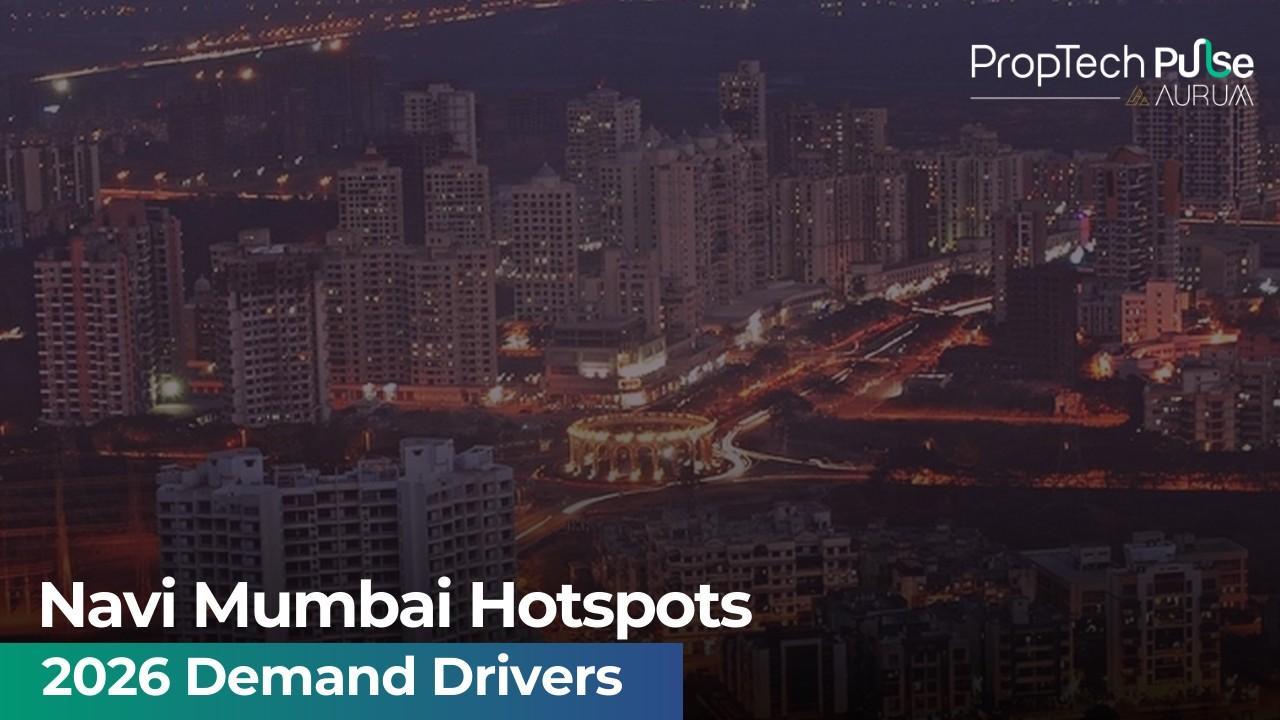
Navi Mumbai’s Expanding Real Estate Landscape
Navi Mumbai continues to strengthen its position as a preferred residential and investment destination within the Mumbai Metropolitan Region. Infrastructure upgrades, improved connectivity, and expanding commercial nodes are collectively driving steady residential absorption and investor participation. As core Mumbai remains supply-constrained and premium priced, Navi Mumbai offers comparatively accessible entry points with long-term appreciation potential.
Panvel: Infrastructure Led Growth
Panvel has emerged as one of the strongest growth corridors due to its proximity to the Navi Mumbai International Airport and major transport linkages. The presence of large land parcels and new project launches supports long-term development visibility. Improved rail and road connectivity continues to strengthen buyer confidence in this micro-market.
Kharghar: Established Residential Hub
Kharghar remains one of the most mature residential pockets in Navi Mumbai, supported by social infrastructure, educational institutions, and metro connectivity. Its balanced mix of mid-segment and premium projects reinforces stable end-user driven demand, making it attractive for both homeowners and investors.
Ulwe: Airport Proximity Advantage
Ulwe’s growth narrative is closely linked to its proximity to the upcoming airport and improved transport connectivity. Early-cycle investors have shown interest due to anticipated infrastructure completion, supporting future appreciation expectations within the corridor.
Taloja: Affordable Housing Corridor
Taloja continues to attract first-time buyers and mid-income households due to comparatively affordable pricing. Enhanced metro connectivity and industrial activity in nearby zones contribute to consistent housing demand momentum across the area.
Airoli: Commercial And IT Driven Demand
Airoli benefits from its strong commercial presence and IT park ecosystem, supporting both residential ownership and rental demand. Corporate activity in this micro-market reinforces integrated live-work housing patterns within Navi Mumbai.
Connectivity And Metro Expansion Impact
Metro network expansion and improved road corridors are significantly influencing price stability and absorption levels. Enhanced mobility across nodes strengthens connectivity aligned property growth throughout the region.
Rental Market Stability
Growing employment clusters and affordable entry prices contribute to steady rental occupancy in multiple micro-markets. Investors evaluating yield potential are benefiting from balanced rental demand dynamics across established and emerging zones.
Developer Activity And Supply Discipline
Developers are focusing on phased launches and right-sized configurations aligned with buyer demand. This measured supply approach reinforces controlled inventory addition and reduces oversupply risks.
Long Term Investment Outlook
With infrastructure execution progressing and commercial expansion underway, Navi Mumbai’s growth trajectory appears structurally supported. Key hotspots are positioned to benefit from gradual and sustainable price appreciation over the medium to long term.
Conclusion
Navi Mumbai’s leading micro-markets in 2026 reflect a combination of infrastructure visibility, affordability, and commercial expansion. These factors collectively support steady residential demand and investment confidence across the region.
Enjoyed this update? Visit PropTech Pulse for more real estate news and market insights.



Ask Pulse Ai anything about real estate

Unlock the Latest in Real Estate
News, Infographics, Blogs & More! Delivered to your inbox.