New Launch - India Real Estate Report 2026.











Introduction
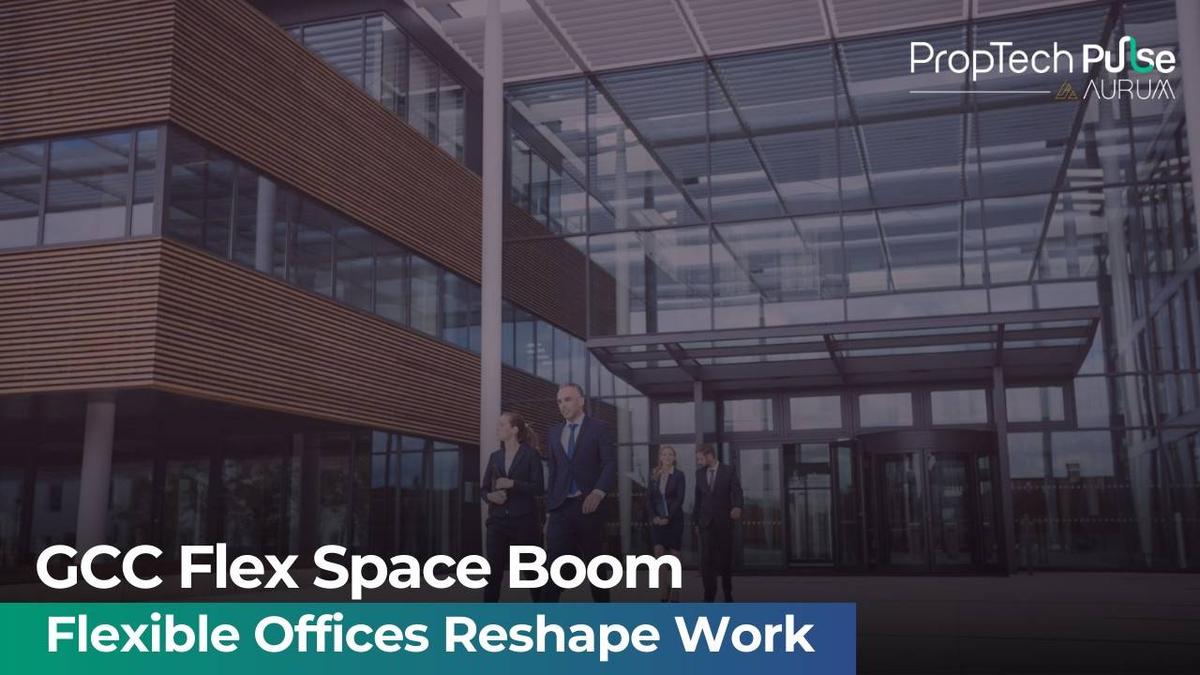
The commercial real estate landscape across the GCC region is undergoing a fundamental transformation as flex office spaces rapidly gain prominence. Market projections indicate that by 2030, flexible workspaces could account for nearly 40% of total office stock, reflecting a decisive shift in how businesses view workspace strategy.
The Rise of Flexible Workspaces
The surge in flex space demand is closely linked to the widespread adoption of hybrid work models. Organisations are increasingly moving away from long-term, fixed leases toward adaptable office formats that allow them to scale operations efficiently. Flex spaces provide fully managed environments that support collaboration, agility, and cost control, making them an attractive alternative to traditional offices.
For occupiers, the appeal lies in operational simplicity. Managed services, shorter lease tenures, and technology-enabled infrastructure allow companies to focus on productivity rather than property management. This has accelerated adoption across sectors ranging from technology and consulting to finance and professional services.
Why the GCC Is Leading the Shift
The GCC commercial real estate market is particularly well-positioned to benefit from this trend. A strong post-pandemic economic recovery, coupled with government-led diversification strategies, has created fertile ground for new business formation. Cities such as Dubai, Riyadh, and Abu Dhabi continue to attract global enterprises, startups, and regional headquarters.
- Economic diversification beyond oil-driven growth
- Startup ecosystem expansion across major GCC cities
- Workplace flexibility aligned with global employment trends
- Employee experience becoming a core business priority
Additionally, regulatory reforms and investment in urban infrastructure have enhanced the attractiveness of managed office solutions, reinforcing demand from both local and international occupiers.
Impact on Real Estate and PropTech
The rapid expansion of flex spaces is also driving innovation across PropTech platforms. Operators are leveraging data analytics, smart access systems, and digital leasing tools to optimise space utilisation and enhance user experience. For landlords, partnerships with flex operators are emerging as a strategic route to improve occupancy and asset performance.
From an investment standpoint, flex assets are increasingly viewed as a hybrid between traditional office real estate and hospitality-style operations, offering diversified income streams and stronger tenant engagement.
Future Outlook
By 2030, flexible workspace providers are expected to play a central role in shaping the future of work across the GCC. As occupiers prioritise agility, cost efficiency, and workforce well-being, flex spaces are likely to move from being a supplementary option to a core component of corporate real estate strategies.
Conclusion
The rise of flex spaces in the GCC marks a structural shift rather than a short-term trend. As commercial real estate adapts to evolving workplace expectations, flexible offices are set to redefine how space is planned, leased, and utilised across the region.
Enjoyed this update? Visit PropTech Pulse for more real estate news and market insights.