
Ask Pulse Ai
Services
Knowledge Hub
Resources
Tools
Ask Pulse Ai
Services






©PropTech Pulse 2025, All rights reserved.

Changing Dynamics in Premium Housing
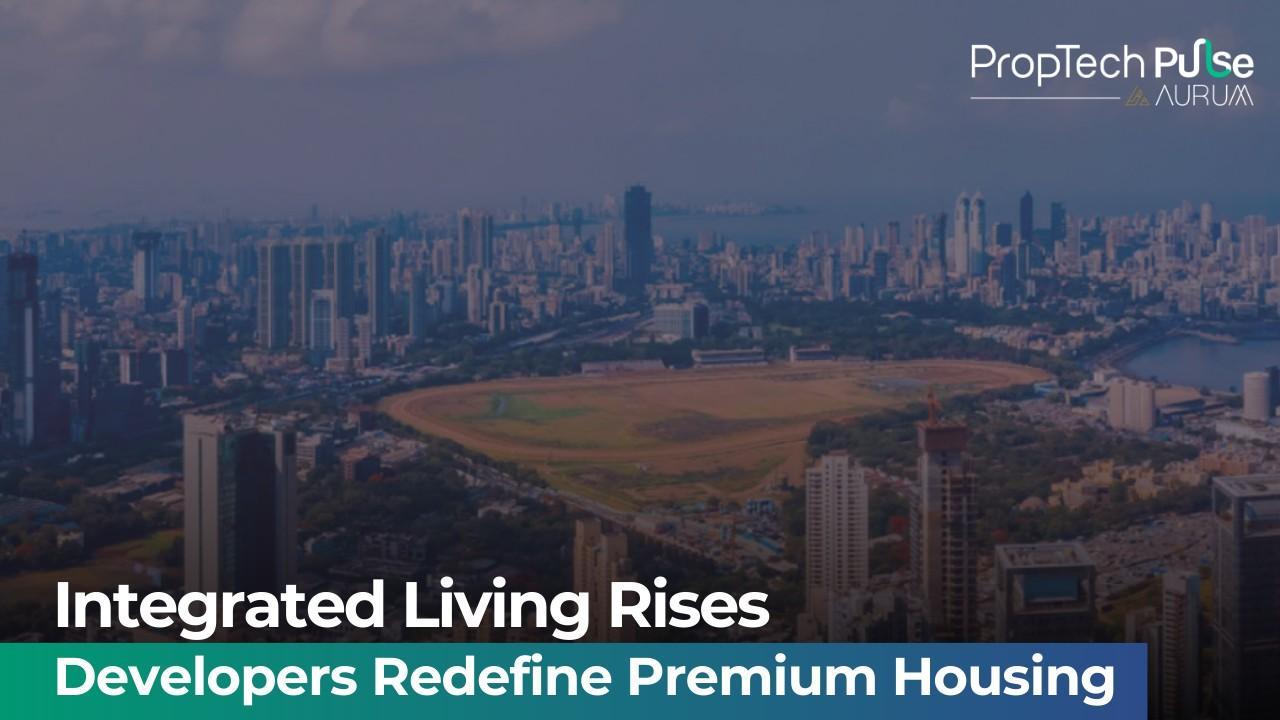
As the real estate landscape continues to evolve, luxury housing developers are rapidly adapting to shifting buyer expectations. High-end homebuyers today are no longer satisfied with standalone residences; instead, they are seeking environments that seamlessly blend living, working, and leisure. This preference change is accelerating the move toward integrated development projects, particularly in urban and emerging growth corridors.
Why Integrated Developments Are Gaining Ground
Integrated developments are designed as self-sustaining ecosystems where residential spaces coexist with retail, offices, healthcare, education, and recreational facilities. Homebuyers increasingly value convenience-driven living, where essential services are accessible within walking distance. This trend has gained momentum post-pandemic, as lifestyle priorities now include reduced travel time, enhanced safety, and access to open spaces.
Key Drivers Behind Buyer Preference
Several factors are influencing this growing demand for integrated communities. Urban congestion, rising commute times, and the desire for work-life balance are pushing buyers toward mixed-use real estate formats. Additionally, the growing acceptance of hybrid work models has made it essential for residential projects to support professional and personal needs under one roof.
Advantages of Integrated Living Models
- Enhanced Convenience: Retail outlets, schools, and healthcare facilities located within the community.
- Time Efficiency: Reduced dependence on long commutes, improving daily productivity.
- Community-Centric Design: Shared spaces that encourage social interaction and well-being.
- Higher Asset Value: Integrated developments often witness stronger property appreciation over time.
Developer Strategy and Market Positioning
Recognising this shift, premium developers are recalibrating their project strategies. Large land parcels are being planned as master-planned townships, combining residential towers with commercial hubs, co-working spaces, and lifestyle amenities. This approach not only enhances buyer appeal but also improves long-term revenue visibility for developers through diversified asset classes.
Role of Technology and PropTech
Technology is playing a critical role in enabling integrated developments. From smart building management systems to digital access controls and energy-efficient infrastructure, PropTech solutions are becoming central to project execution. These technologies help developers optimise operations while delivering enhanced living experiences to residents.
Future Outlook for Integrated Real Estate
Looking ahead, integrated developments are expected to dominate the premium housing segment, particularly in metro suburbs and high-growth cities. As urbanisation deepens and infrastructure improves, these projects are likely to become the preferred choice for both end-users and investors. Developers who align early with this trend will be better positioned to capture sustained demand.
Conclusion
The rise of integrated developments signals a fundamental shift in India’s real estate narrative. As high-end developers focus on creating holistic, lifestyle-driven communities, homebuyers stand to gain from future-ready housing that balances comfort, connectivity, and long-term value. Integrated living is no longer a niche concept; it is fast becoming the new benchmark in premium real estate.
Enjoyed this update? Visit PropTech Pulse for more real estate news and market insights.




Unlock the Latest in Real Estate
News, Infographics, Blogs & More! Delivered to your inbox.