
Ask Pulse Ai
Services
Knowledge Hub
Resources
Tools
Ask Pulse Ai
Services







©PropTech Pulse 2025, All rights reserved.

Introduction
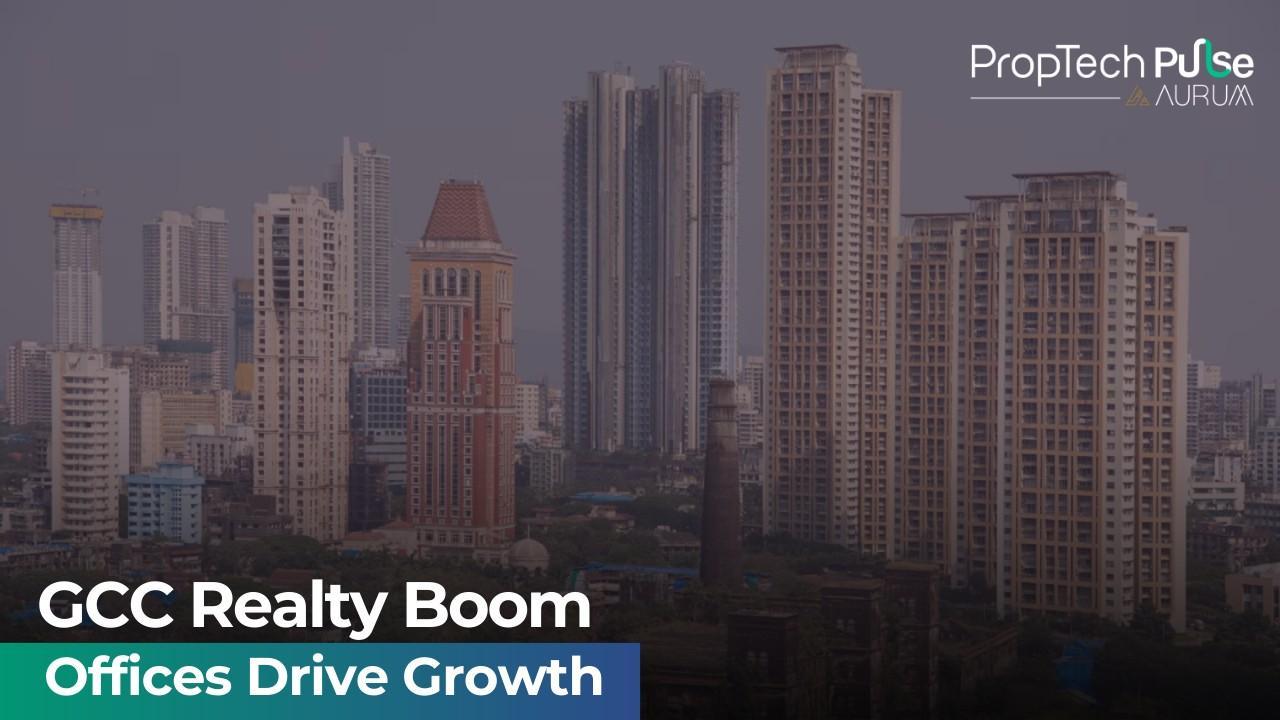
India’s commercial real estate sector is witnessing a structural shift, with Global Capability Centers (GCCs) emerging as one of the strongest growth drivers. Once viewed primarily as back-end support units, GCCs have evolved into strategic hubs handling technology, analytics, finance, and innovation for global enterprises. Their rapid expansion is redefining office demand patterns and influencing long-term urban development across major Indian cities.
The Rise of GCCs in India
Over the past decade, India has become a preferred destination for Global Capability Centers due to its skilled talent pool, cost efficiencies, and improving digital infrastructure. GCCs now support core business functions for multinational companies, leading to sustained demand for high-quality office spaces. This shift has moved the focus from short-term leasing to long-term occupancy, strengthening stability in the commercial real estate market.
Impact on Office Space Demand
The growth of GCCs has resulted in increased absorption of Grade-A office spaces across established and emerging business districts. Companies are seeking large floor plates, advanced safety standards, and technology-enabled buildings that can support hybrid and future-ready work models. This demand has encouraged developers to prioritise quality, sustainability, and scalability in new commercial projects.
Investment Opportunities and Capital Inflows
GCC expansion has also attracted significant domestic and foreign investment into India’s real estate sector. Long-term leases and predictable cash flows make office assets linked to GCCs attractive to institutional investors. These investments are strengthening confidence in India’s office market and supporting the growth of income-generating commercial assets across multiple cities.
Job Creation and Economic Impact
Beyond real estate, GCCs contribute directly to employment generation and local economic growth. High-skilled job creation fuels demand for housing, retail, and social infrastructure, creating a multiplier effect across urban economies. This ecosystem-driven growth reinforces the link between commercial real estate development and broader economic expansion.
Urban Infrastructure Development
To support GCC-led growth, cities are accelerating investments in infrastructure such as transport networks, power supply, data connectivity, and urban services. Improved metro connectivity, road networks, and digital infrastructure are becoming critical enablers for office hubs. These upgrades not only serve corporate needs but also enhance overall livability for urban residents.
Developer Strategies and Market Adaptation
Developers are increasingly aligning project designs with GCC requirements, focusing on flexibility, sustainability, and operational efficiency. Features such as energy-efficient buildings, smart systems, and wellness-focused workplaces are gaining prominence. This evolution reflects a shift toward future-ready office spaces that can adapt to changing work patterns.
Future Prospects
The outlook for India’s commercial real estate market remains positive as GCCs continue to expand their footprint. With global companies deepening their presence in India, demand for quality office spaces is expected to remain resilient. Stakeholders who align with this long-term trend are likely to benefit from stable occupancy, sustained investment interest, and infrastructure-led growth.
Conclusion
Global Capability Centres have emerged as a defining force in India’s commercial real estate evolution. Their influence extends beyond office leasing, shaping investment patterns, infrastructure development, and urban growth. As the sector matures, GCC-driven demand is set to remain a cornerstone of India’s commercial property landscape, offering long-term opportunities for developers, investors, and cities alike.
Enjoyed this update? Visit PropTech Pulse for more real estate news and market insights.




Unlock the Latest in Real Estate
News, Infographics, Blogs & More! Delivered to your inbox.