
Ask Pulse Ai
Services
Knowledge Hub
Resources
Tools
Ask Pulse Ai
Services







©PropTech Pulse 2025, All rights reserved.

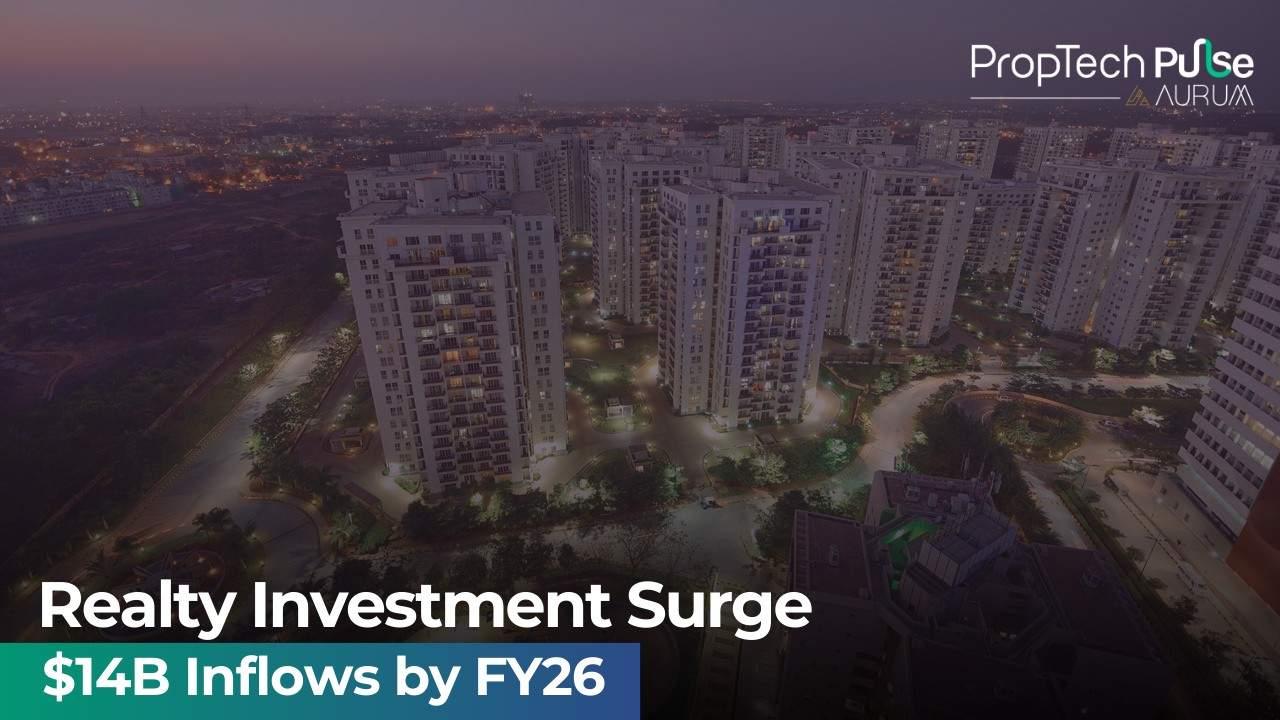
Indian Real Estate Enters a Strong Investment Phase
India’s real estate sector is moving into a phase of renewed momentum, with projections indicating investment inflows of USD 12–14 billion by FY26. Growing confidence among domestic and global investors is being shaped by steady economic recovery, expanding urban centres, and a stronger regulatory environment. The sector is increasingly viewed as a long-term growth engine within the broader Indian economy.
Infrastructure-Led Growth Momentum
One of the biggest catalysts for rising investments is accelerated infrastructure development. Large-scale road networks, metro corridors, expressways, airports, and logistics hubs are improving connectivity across cities and emerging regions. These upgrades are enhancing land values, unlocking new development corridors, and making both residential and commercial assets more viable for long-term investment.
Policy Support and Regulatory Confidence
Supportive government policies continue to strengthen investor sentiment. Initiatives promoting affordable housing, transparency through regulatory oversight, and incentives for foreign capital have reduced risks associated with real estate investments. Clearer compliance norms and structured development frameworks are helping build trust and stability across the sector.
Urbanisation Driving Demand Across Segments
Rapid urbanisation remains a core demand driver. As more people migrate to cities for employment and better living standards, demand is rising across residential, office, retail, and industrial real estate. Tier-II and emerging cities are also attracting attention as infrastructure and employment ecosystems expand beyond traditional metros.
Residential Market Attracts Strong Interest
Investors are particularly optimistic about the residential real estate market, which continues to show steady absorption. Changing consumer preferences toward larger homes, integrated communities, and improved amenities are shaping new supply. Trends such as smart homes, energy efficiency, and sustainable construction are also influencing buying decisions and enhancing asset value.
Economic Impact of Rising Investments
Increased capital inflows into real estate are expected to create a multiplier effect across the economy. Construction activity supports job creation, boosts demand for building materials, and strengthens allied sectors such as banking, logistics, and urban services. Additionally, higher transaction volumes contribute to tax revenues and broader economic stability.
Outlook Toward FY26
As India moves closer to FY26, the real estate sector is positioned to remain a key beneficiary of economic growth and urban expansion. With infrastructure upgrades, policy continuity, and sustained demand, the market is evolving into a more organised and resilient investment destination. For investors and developers alike, Indian real estate offers a compelling long-term growth opportunity.
Enjoyed this update? Visit PropTech Pulse for more real estate news and market insights.




Unlock the Latest in Real Estate
News, Infographics, Blogs & More! Delivered to your inbox.