New Launch - India Real Estate Report 2026.










Green Initiatives Redefine Urban Development
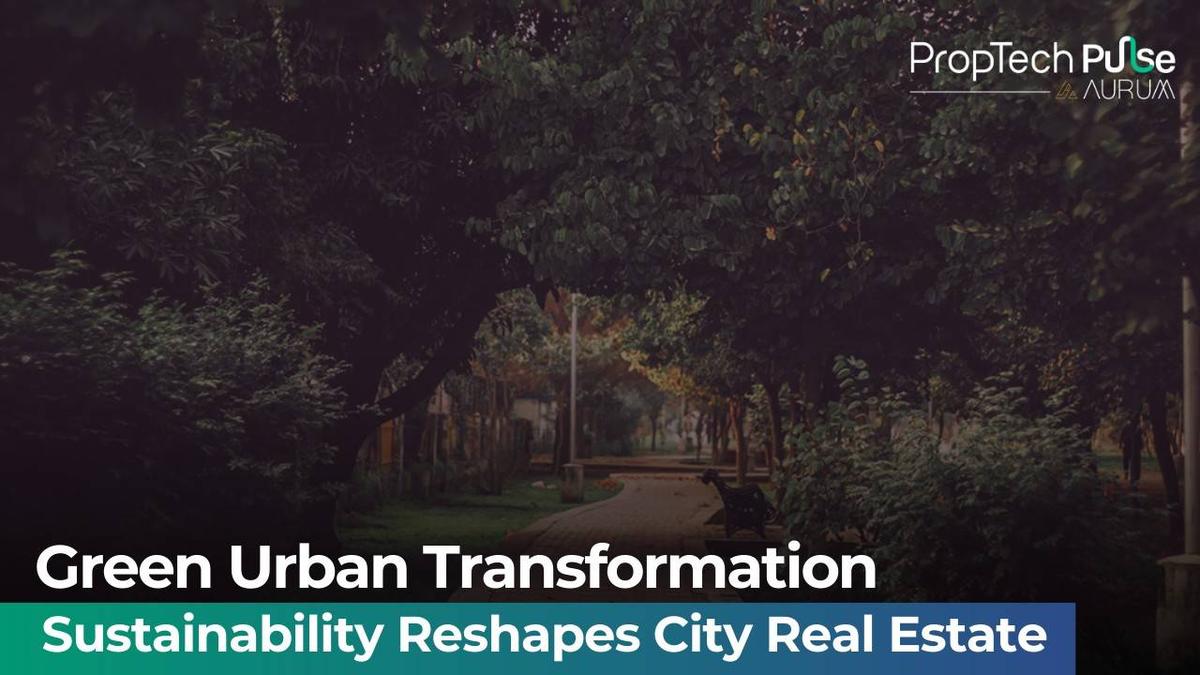
Indian cities are increasingly adopting green urban initiatives as a core component of future-ready development. Urban planners and local authorities are integrating sustainability into city design, recognising that environmental resilience is now inseparable from real estate planning and long-term property value creation.
Why Green Spaces Matter for Real Estate
Green spaces are no longer viewed as aesthetic add-ons but as essential infrastructure that directly influences livability and property demand. Residential developments located near parks, tree-lined corridors, and open spaces consistently command higher buyer interest. Access to greenery improves air quality, reduces heat stress, and enhances overall well-being, making green-certified developments more attractive to both end-users and investors.
Impact on Residential Property Demand
Homebuyers are increasingly prioritising neighbourhoods that offer balanced living environments. Projects that integrate landscaped zones, walking tracks, and community gardens are seeing stronger absorption rates. This shift reflects evolving buyer preferences toward sustainable housing, where quality of life is valued alongside location and amenities.
Key Elements of Green Urban Planning
City authorities are implementing multiple initiatives aimed at embedding nature into the urban fabric. These efforts are designed to support environmental goals while strengthening real estate ecosystems.
- Public parks and open spaces integrated into residential clusters
- Tree-lined streets to improve microclimates and walkability
- Community gardens promoting social engagement and sustainability
Commercial Real Estate Benefits
Green urban initiatives also benefit commercial real estate. Office districts with better environmental quality attract global occupiers focused on employee wellness and ESG compliance. Green surroundings contribute to improved workplace productivity and support the growing demand for sustainable business locations.
Role of Technology and PropTech
Technology is playing a crucial role in implementing and managing green infrastructure. Smart irrigation systems, air-quality monitoring, and data-driven urban planning tools are helping cities optimise resources efficiently. These innovations align with the broader adoption of PropTech solutions that enable developers and municipalities to track sustainability performance and operational efficiency.
Community Participation Strengthens Value
Successful green initiatives rely heavily on community involvement. Resident participation in maintaining parks and gardens fosters a sense of ownership and enhances neighbourhood stability. From a real estate perspective, engaged communities help sustain long-term property value and reduce maintenance challenges.
Policy Support and Long-Term Vision
Government bodies are increasingly aligning urban policies with sustainability goals. Planning norms now encourage higher green cover, rainwater harvesting, and energy-efficient design. Such regulatory direction is strengthening climate-resilient real estate and ensuring that future developments remain aligned with environmental priorities.
Investment Implications
For investors, green urban transformation represents a long-term opportunity. Assets located in environmentally planned zones are expected to demonstrate stronger resilience and appreciation over time. Institutional investors, in particular, are showing preference for projects aligned with ESG-driven real estate strategies.
Outlook for Urban Real Estate
As cities continue to expand, the integration of green initiatives will play a defining role in shaping property markets. Developments that successfully merge sustainability with urban growth are likely to emerge as benchmarks for future-ready cities. This transformation reinforces the idea that green planning is not just environmentally responsible but also economically strategic for real estate.
Enjoyed this update? Visit PropTech Pulse for more real estate news and market insights.


