
Ask Pulse Ai
Services
Knowledge Hub
Resources
Tools
Ask Pulse Ai
Services







©PropTech Pulse 2025, All rights reserved.

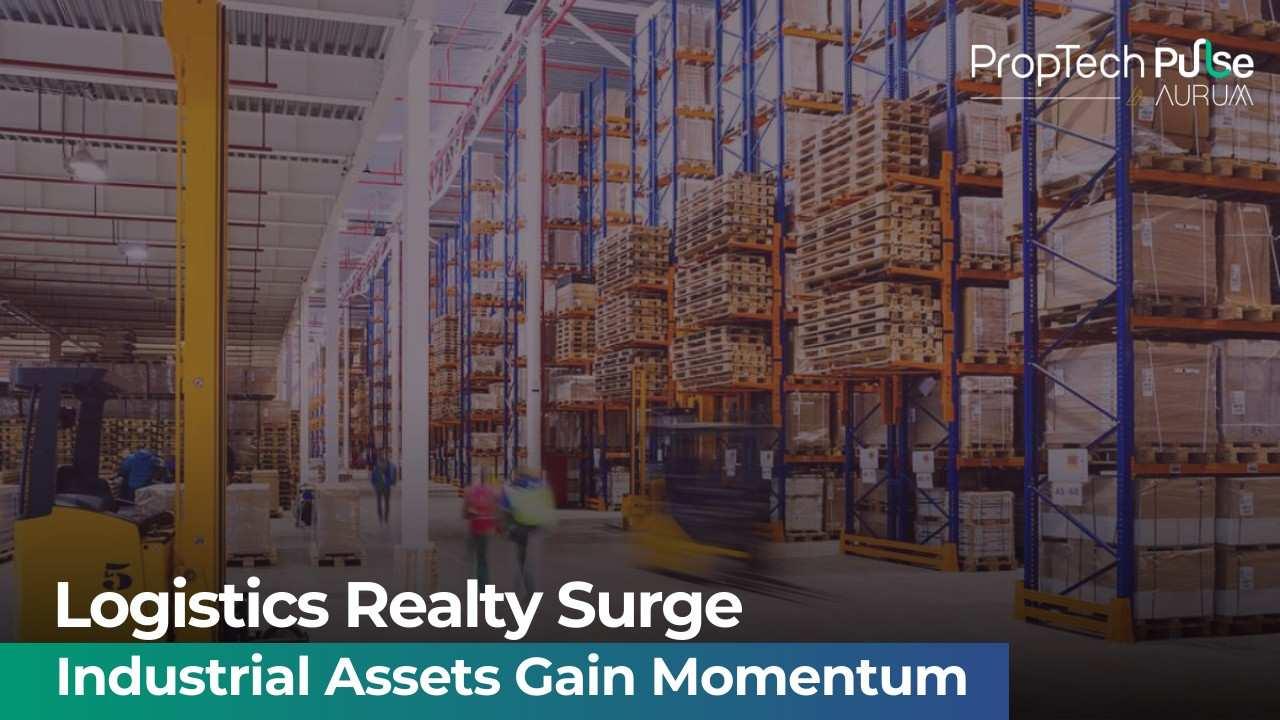
Industrial and Logistics Real Estate Enters High-Growth Phase
India’s industrial and logistics real estate segment is emerging as one of the fastest-growing asset classes in 2025, marking a structural shift in the country’s property market. Once considered a niche segment, logistics-focused developments are now attracting large-scale investments as supply chains modernise and demand for organised infrastructure accelerates across regions.
Policy Support and Infrastructure Push
A key driver behind this growth is sustained government focus on infrastructure development. National logistics policies, dedicated freight corridors, industrial corridors, and improved highway connectivity have strengthened the ecosystem for warehousing and industrial parks. These initiatives are reducing transit times, lowering logistics costs, and improving overall efficiency, making India a more competitive manufacturing and distribution hub.
E-commerce and Consumption-Led Demand
The rapid expansion of e-commerce growth has significantly altered demand patterns in real estate. Online retailers, third-party logistics providers, and FMCG companies are aggressively expanding their warehousing networks to support faster deliveries and regional fulfilment. This has resulted in strong absorption of Grade A warehouses, particularly near metro cities and major consumption centres.
Rising Role of Institutional Capital
Institutional investors and private equity funds are increasingly allocating capital toward logistics parks and industrial assets due to their stable yields and long-term growth visibility. Compared to traditional office and retail assets, logistics properties offer predictable cash flows, lower vacancy risks, and strong alignment with India’s manufacturing and export ambitions.
Technology and Modern Warehousing Standards
The sector is also witnessing rapid adoption of PropTech solutions. Modern logistics facilities are being designed with automation, smart inventory systems, energy-efficient layouts, and digital monitoring tools. These technology-driven upgrades are improving asset performance while meeting the evolving needs of occupiers seeking scalable and future-ready infrastructure.
Key Markets Driving Expansion
Cities such as Mumbai, Delhi-NCR, Bengaluru, Chennai, Pune, and Hyderabad continue to dominate leasing activity. At the same time, emerging corridors along national highways and industrial clusters are gaining traction. This decentralised expansion is creating new real estate opportunities beyond traditional metro boundaries.
Economic and Employment Impact
The growth of industrial and logistics real estate is having a broader economic impact. Large-scale developments are generating employment across construction, warehousing operations, supply chain management, and ancillary services. This expansion supports India’s ambition to strengthen domestic manufacturing while integrating more deeply into global trade networks.
Outlook for 2025 and Beyond
Industry experts expect demand momentum to remain strong through 2025 and beyond, supported by manufacturing growth, export-oriented policies, and rising consumption. As the sector matures, increased standardisation, institutional participation, and technology integration are expected to further enhance investor confidence.
Conclusion
The rise of industrial real estate India and logistics assets represents a fundamental transformation in the country’s property market. As supply chains evolve and infrastructure deepens, this segment is set to play a critical role in shaping India’s next phase of real estate and economic growth.
Enjoyed this update? Visit PropTech Pulse for more real estate news and market insights.



Unlock the Latest in Real Estate
News, Infographics, Blogs & More! Delivered to your inbox.