
Ask Pulse Ai
Services
Knowledge Hub
Resources
Tools
Ask Pulse Ai
Services







©PropTech Pulse 2025, All rights reserved.

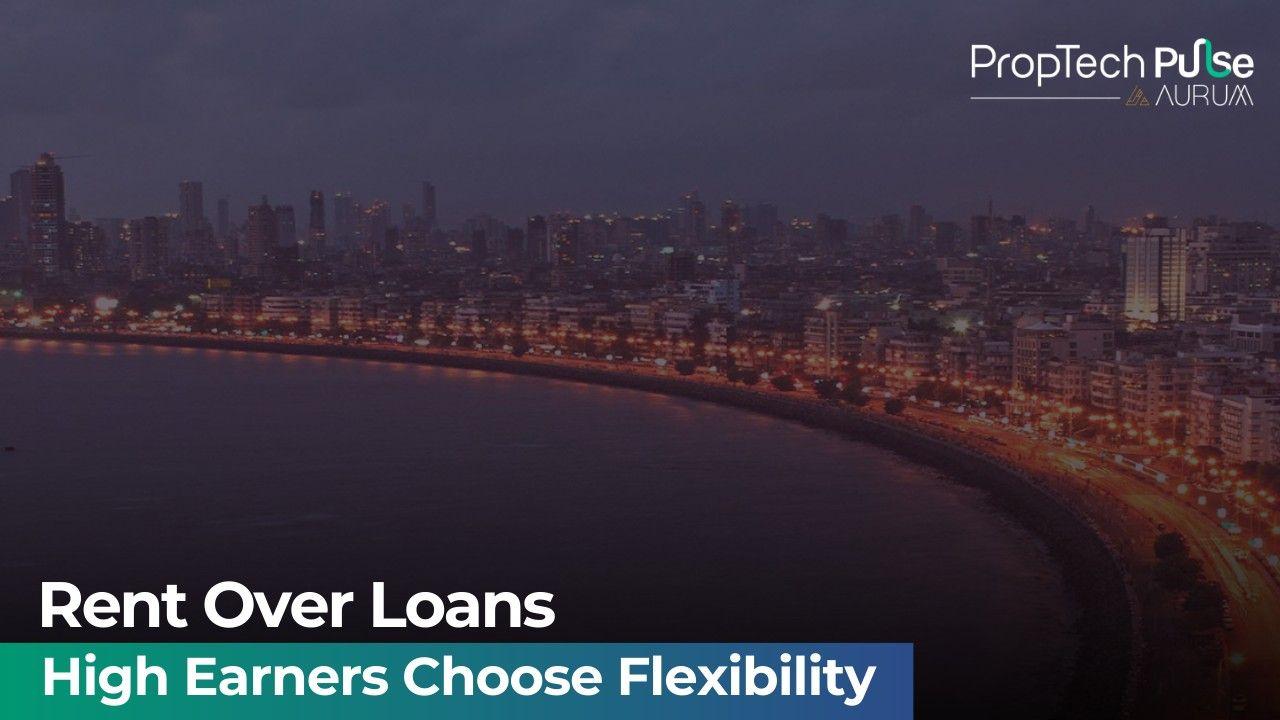
Shift In Ownership Preferences
An increasing number of high-income professionals are choosing to rent premium homes instead of committing to large housing loans in the Rs 3 to 5 crore range. Monthly rentals between Rs 60,000 and Rs 1 lakh are being viewed as financially manageable compared to long-term EMI obligations. This trend reflects a strategic preference for liquidity and financial flexibility over asset ownership in high-value urban markets.
Capital Preservation And Liquidity Considerations
Purchasing a property priced at several crores typically requires significant upfront capital as a down payment, alongside high EMI commitments. Renting allows individuals to preserve capital for diversified investments such as equities, startups, or business expansion, supporting portfolio diversification and cash flow efficiency.
EMI Burden Versus Rental Outgo
In prime residential markets, EMIs on multi-crore loans can substantially exceed equivalent rental payments. For many high earners, the opportunity cost of locking capital into a single real estate asset outweighs perceived appreciation benefits, reinforcing cost-benefit-driven housing decisions.
Mobility And Career Flexibility
Professionals in technology, finance, and entrepreneurial sectors often value geographic mobility. Renting premium properties enables relocation without the constraints of asset liquidation, supporting career-aligned housing flexibility in dynamic employment environments.
Luxury Lifestyle Without Long Term Liability
Premium rental markets offer access to high-end amenities, gated communities, and prime locations without long-term financial commitment. This allows individuals to enjoy luxury living standards without leveraged ownership risk.
Market Impact On Premium Housing
The preference for renting among affluent tenants is contributing to sustained demand in the luxury rental segment. Landlords in prime micro-markets are witnessing stable occupancy levels, reinforcing resilience in high-end rental demand.
Interest Rate And Loan Cost Sensitivity
Fluctuations in interest rates can materially affect EMI structures over extended tenures. Some high earners prefer to avoid exposure to rate volatility, opting instead for predictable short-term rental commitments.
Investment Versus Consumption Debate
For many affluent households, housing is increasingly evaluated as a financial decision rather than an emotional milestone. Renting while investing surplus capital elsewhere reflects structured wealth management thinking within the upper income demographic.
Developer And Investor Implications
A sustained tilt toward renting may influence developers to reassess product positioning in ultra-premium markets. Growth in luxury rental demand could encourage build-to-rent and managed leasing models over outright sales.
Long Term Outlook
The rent-versus-buy calculus is likely to remain dynamic, influenced by interest rates, asset appreciation trends, and employment mobility. For now, high earners are demonstrating rational housing choices aligned with liquidity priorities.
Conclusion
The growing preference among high-income individuals to rent rather than commit to large home loans highlights evolving financial priorities. Flexibility, capital efficiency, and lifestyle alignment are shaping modern urban housing decisions in premium markets.
Enjoyed this update? Visit PropTech Pulse for more real estate news and market insights.



Unlock the Latest in Real Estate
News, Infographics, Blogs & More! Delivered to your inbox.