
Ask Pulse Ai
Services
Knowledge Hub
Resources
Tools
Ask Pulse Ai
Services







©PropTech Pulse 2025, All rights reserved.

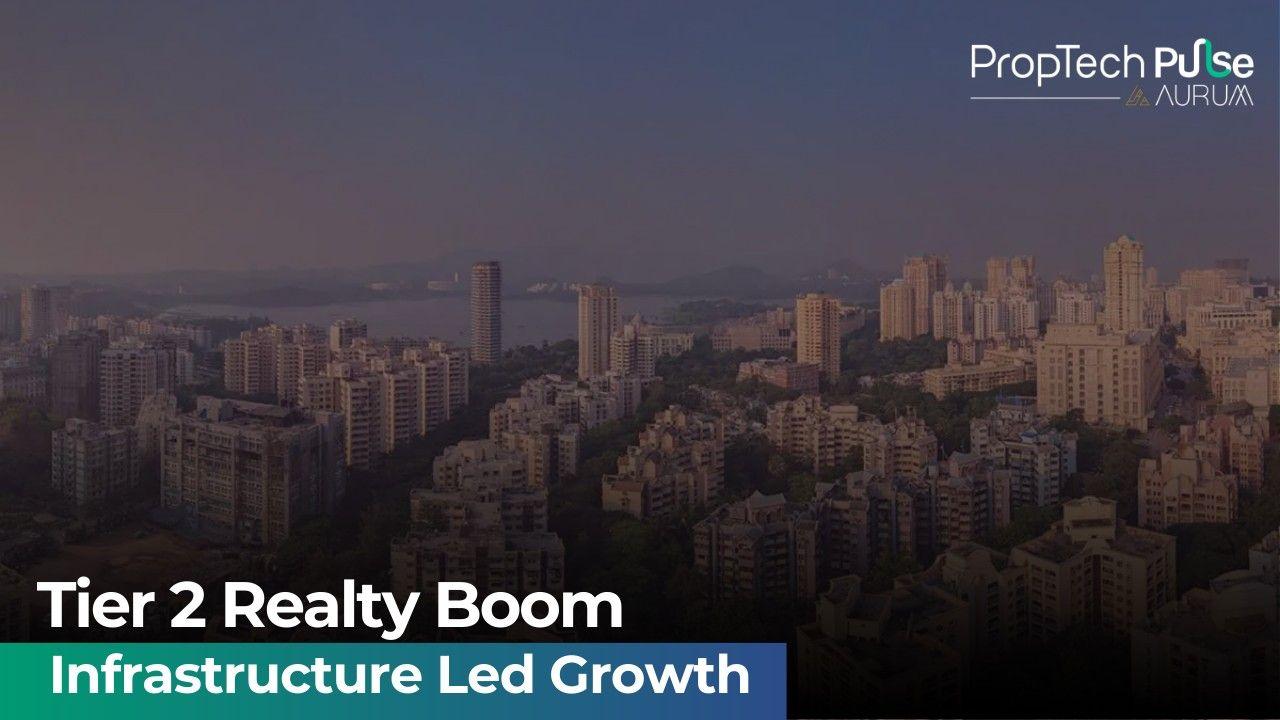
Infrastructure As A Catalyst For Change
The article explains that large-scale infrastructure development is emerging as the primary driver behind the transformation of Tier 2 cities into real estate growth centres. Projects related to highways, expressways, rail connectivity, airports, and urban transit systems are reducing travel time and improving regional integration, making these cities more accessible for residents, businesses, and investors.
Improved Connectivity And Market Accessibility
Enhanced road and rail networks are linking Tier 2 cities more efficiently with metros and industrial corridors. The article highlights that better connectivity expands employment catchments and supports daily commuting, logistics efficiency, and inter-city business movement, which directly influences housing and commercial demand.
Impact Of Airports And Transit Infrastructure
New and upgraded airports, along with metro and rapid transit projects, are elevating the profile of Tier 2 cities. Improved air and urban mobility infrastructure supports corporate travel, tourism inflows, and investor confidence, encouraging real estate development around transport nodes.
Residential Demand Driven By Livability
As infrastructure improves, Tier 2 cities are witnessing rising residential demand from end users seeking affordability and quality of life. The article notes that lower property prices, less congestion, and improving civic amenities are attracting homebuyers migrating from expensive metropolitan markets.
Commercial And Office Space Expansion
Infrastructure-led growth is also supporting the expansion of office and commercial real estate. Businesses are increasingly exploring Tier 2 locations for cost efficiency and talent availability. The article points out that improved infrastructure enables decentralisation of office operations beyond traditional metro hubs.
Role Of Industrial And Logistics Corridors
Industrial corridors and logistics parks are creating employment opportunities in and around Tier 2 cities. These developments generate sustained housing demand and support ancillary services, reinforcing long-term real estate absorption rather than speculative growth.
Government Policy And Urban Planning Support
Policy initiatives focused on smart cities, urban renewal, and regional development complement infrastructure investments. The article highlights that coordinated planning and funding are helping Tier 2 cities upgrade civic services and urban infrastructure, strengthening real estate fundamentals.
Developer And Investor Interest
Developers are increasingly launching projects in Tier 2 markets due to lower land costs and improved demand visibility. Investors are also evaluating these cities for early-cycle opportunities, supported by strong infrastructure-led growth narratives.
Shift In Buyer And Investor Behaviour
Buyers and investors are moving beyond traditional metro-centric strategies. The article notes that infrastructure-driven transformation has made Tier 2 cities more predictable and investable, leading to broader geographic diversification of real estate capital.
Risks And Execution Challenges
While infrastructure is a strong enabler, the article cautions that execution timelines and urban governance remain critical. Delays in project completion or inadequate civic planning can affect outcomes, underscoring the need for disciplined and coordinated implementation.
Long Term Outlook For Tier 2 Cities
The outlook for Tier 2 real estate markets remains positive as infrastructure continues to reshape urban ecosystems. The article concludes that sustained investment in connectivity and services can support balanced, end-user-led real estate growth over the long term.
Conclusion
New infrastructure is redefining the real estate potential of Tier 2 cities by improving accessibility, livability, and economic opportunity. As these cities evolve, infrastructure-led development is positioning them as credible and sustainable real estate growth markets in India’s urban landscape.
Enjoyed this update? Visit PropTech Pulse for more real estate news and market insights.




Unlock the Latest in Real Estate
News, Infographics, Blogs & More! Delivered to your inbox.