
Ask Pulse Ai
Services
Knowledge Hub
Resources
Tools
Ask Pulse Ai
Services







©PropTech Pulse 2025, All rights reserved.

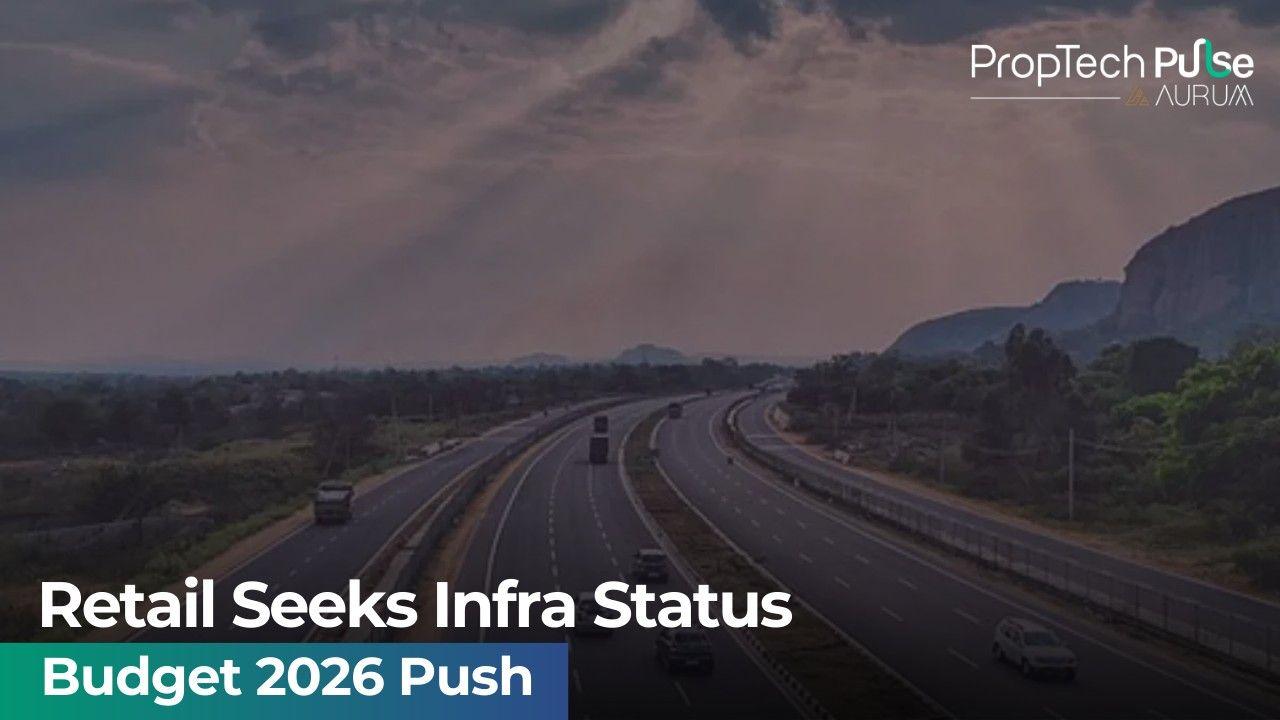
Budget 2026 Context for Retail Real Estate
As discussions around Union Budget 2026 intensify, retail real estate has emerged as a focused area of policy advocacy. Industry stakeholders are urging the government to recognise retail real estate as infrastructure, arguing that such a move would support the next phase of organised retail growth beyond major metropolitan centres.
Demand for Infrastructure Status
Retail real estate developers and operators are pitching for infrastructure status, which typically enables access to long-term, lower-cost financing and improved credit availability. The sector believes this recognition would reduce funding costs and improve project viability, particularly for large-format retail developments that require significant upfront capital.
Why Tier 2 and Tier 3 Cities Matter
The article highlights that consumption growth is increasingly shifting toward tier 2 and tier 3 cities, driven by rising incomes, urbanisation, and improving aspirations. Organised retail penetration in these markets remains relatively low, creating a significant opportunity for mall and high street development if supported by enabling policy frameworks.
Challenges in Smaller City Expansion
Expanding retail real estate into smaller cities presents challenges such as higher perceived risk, longer gestation periods, and limited access to institutional funding. Without infrastructure status, developers often face higher borrowing costs, which can delay or limit project execution in emerging markets.
Role of Infrastructure Recognition in Financing
Infrastructure classification could help retail developers secure longer-tenure loans aligned with the cash flow profile of retail assets. Retail projects typically take time to stabilise, and access to patient capital is critical for ensuring sustainable development and operations.
Impact on Retailers and Consumers
Improved retail infrastructure in tier 2 and tier 3 cities would benefit retailers by enabling structured expansion into new consumption centres. For consumers, organised retail brings better product access, improved shopping environments, and enhanced urban amenities, contributing to overall city liveability.
Employment and Economic Multiplier Effects
Retail real estate development generates employment during both construction and operational phases. The article notes that malls and organised retail centres support jobs across retail, services, logistics, and facility management, creating multiplier effects in local economies.
Alignment With Urban Development Goals
Industry participants argue that organised retail infrastructure aligns with broader urban development objectives, including planned city growth, formalisation of commerce, and improved tax compliance. Infrastructure status could therefore support not just retail expansion but also structured urbanisation in smaller cities.
Government Considerations Ahead of Budget
While the article does not indicate whether the demand will be accepted, it notes that policymakers will need to weigh fiscal implications against long-term economic benefits. Encouraging organised retail in emerging cities could help balance regional development and reduce overdependence on metro markets.
Conclusion
Retail real estate’s push for infrastructure status ahead of Budget 2026 reflects the sector’s ambition to expand into tier 2 and tier 3 cities in a sustainable manner. Policy support through infra recognition could unlock financing, accelerate development, and support the next phase of consumption-led urban growth in India.
Enjoyed this update? Visit PropTech Pulse for more real estate news and market insights.




Unlock the Latest in Real Estate
News, Infographics, Blogs & More! Delivered to your inbox.