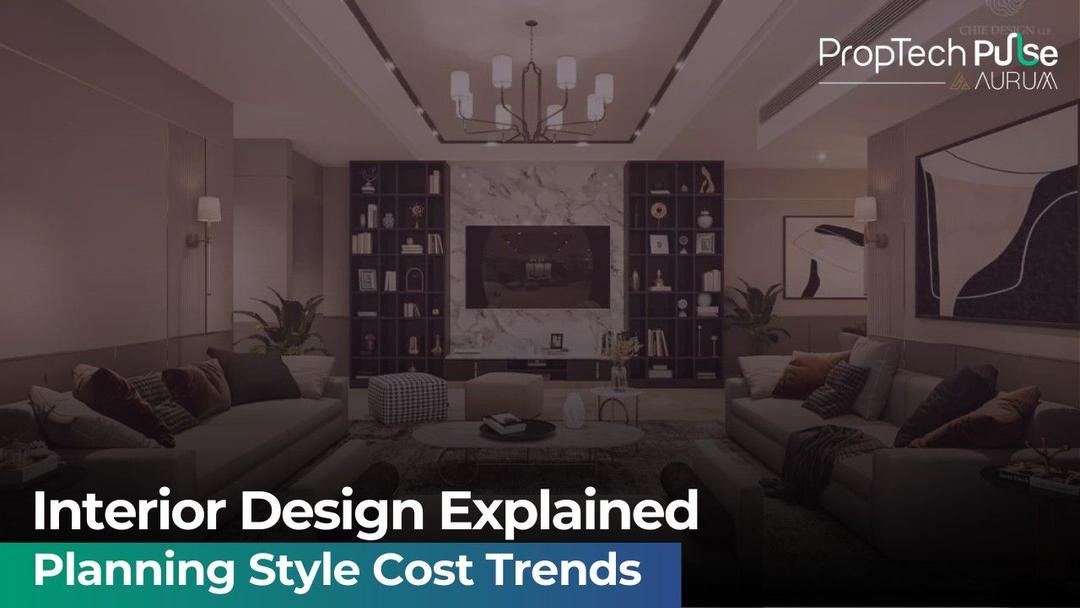
Interior Design Service
Interior Design Guide 2025 India: Ideas, Costs, and Design Insights
What Is Interior Design? A Complete Guide for 2025
What Is Interior Design? A Complete Guide for 2025
Excerpt: From defining what interior design really means to estimating costs and exploring trending styles, this guide answers your biggest questions.
What Is It All About?
Interior design is not just pretty décor. It’s the art and science of organizing, beautifying, and structuring interiors so they serve your lifestyle. Every decision - wall colours, lighting, furniture layout - impacts how you live, move, and feel in your space.
In India’s evolving urban settings, with compact homes and shared living, interior design becomes an essential tool to reconcile tradition with modern living - from Vastu principles to minimal aesthetics.
Who Is an Interior Designer?
An interior designer is more than a decorator. They combine creative vision with technical expertise:
They’re trained in design or architecture
They understand structural constraints, building codes, and spatial planning
They coordinate with contractors, suppliers, and artisans
They translate client needs into functional, beautiful spaces
Unlike enthusiastic friends with “good taste,” professional designers deliver holistic solutions, manage timelines, and anticipate problems you might not see.
Popular Interior Design Styles in Indian Homes
Here are some of the leading styles Indians are embracing - along with tips for making them work in your space:
Style
Key Characteristics
Styling Tips
Indian Traditional
Bold colours, woodwork, artisanal crafts
Use carved furniture, rich hues, folk art
Minimalism
Clean lines, minimal clutter, neutral palette
Hide storage, use accent colours sparingly
Contemporary
Light-filled, neutral base with texture & accents
Combine materials like stone, metal, wood
Bohemian
Eclectic pattern mix, low seating, layered textiles
Layer cultures & textures, lean into boldness
Scandinavian
Bright, functional, lightweight
Use natural materials, focus on light
Mid-Century Modern
Organic forms, functional designs, iconic pieces
Mix wood (teak, oak) and metal thoughtfully
Transitional
Balanced blend of classic + modern
Use clean lines and subtle decorative details
Eclectic
Mix of styles with a common thread
Let collected items shine, emphasize cohesion
Art Deco
Geometric patterns, luxury materials, bold statements
Use arches, sunbursts, rich textures
Industrial
Exposed materials, raw finishes, neutral palette
Use brick, steel beams, unfinished walls
How Much Does Interior Design Cost in India in 2025?
Interior design cost in India depends on your city, home size, scope of work, and material choices.
Generally, a full interior project can range between ₹6,00,000 to ₹30,00,000+, depending on scale and customization. These figures are indicative; always seek a custom quote.
Should You Hire an Interior Designer?
Avoid costly mistakes through professional expertise
Save time and stress with managed execution
Ensure quality, consistency, and accountability
If your renovation is extensive, hiring a designer often leads to better results and fewer regrets.
Livspace’s Design Process (Overview)
Consultation & briefing
Site survey & measurement
Conceptual designs & renders
Material selection & approvals
Execution, supervision & quality checks
Final handover & walkthrough
How to Prepare for Your First Meeting with a Designer
Bring your floor plan and room dimensions
Create a scope document
Share your budget range
Communicate style preferences and inspirations
Interior Design vs Interior Decoration
Interior Design: Structural and functional planning including space planning, lighting, and layout.
Interior Decoration: Visual styling such as furniture, fabrics, and surface finishes.
In simple terms, designers build the bones while decorators dress the body.
The 7 Elements of Interior Design
Space – Filled and empty areas
Line – Horizontal, vertical, and dynamic lines
Form – Three-dimensional shapes
Light – Natural and artificial lighting
Colour – Hue, contrast, and saturation
Pattern – Rhythm and repetition
Texture – Surface feel of materials
The 5 Key Concepts of Interior Design
Balance – Symmetrical or asymmetrical equilibrium
Harmony – Visual unity
Focal Point – A standout design element
Rhythm – Visual movement
Scale and Proportion – Proper sizing of elements
The Golden Rules of Interior Design
60-30-10 colour rule
Form follows function
Budget-Friendly Design Ideas for Indian Homes
Fresh paint or accent walls
Indoor plants and creative lighting
Repurposed furniture and décor
Invest in durable, high-impact pieces
Blending Vastu Shastra and Modern Design
Orient entrances toward north or east
Place kitchens in the southeast
Use natural materials and daylight
Avoid mirrors facing beds
Interior Design Trends in India for 2025
Biophilic design
Earthy colour palettes
Smart home integration
Curved furniture forms
Bold patterns and maximalism
Flexible home offices
Vintage and modern combinations
How Livspace Helps You Realize Your Dream Home
Curated designs and 3D visualizations
Experience across 75,000+ home projects
Access to premium materials
Structured process for timelines and quality