New Launch - India Real Estate Report 2026.

Services
Knowledge Hub
Resources
Tools

Ask Pulse Ai
©PropTech Pulse 2025, All rights reserved.


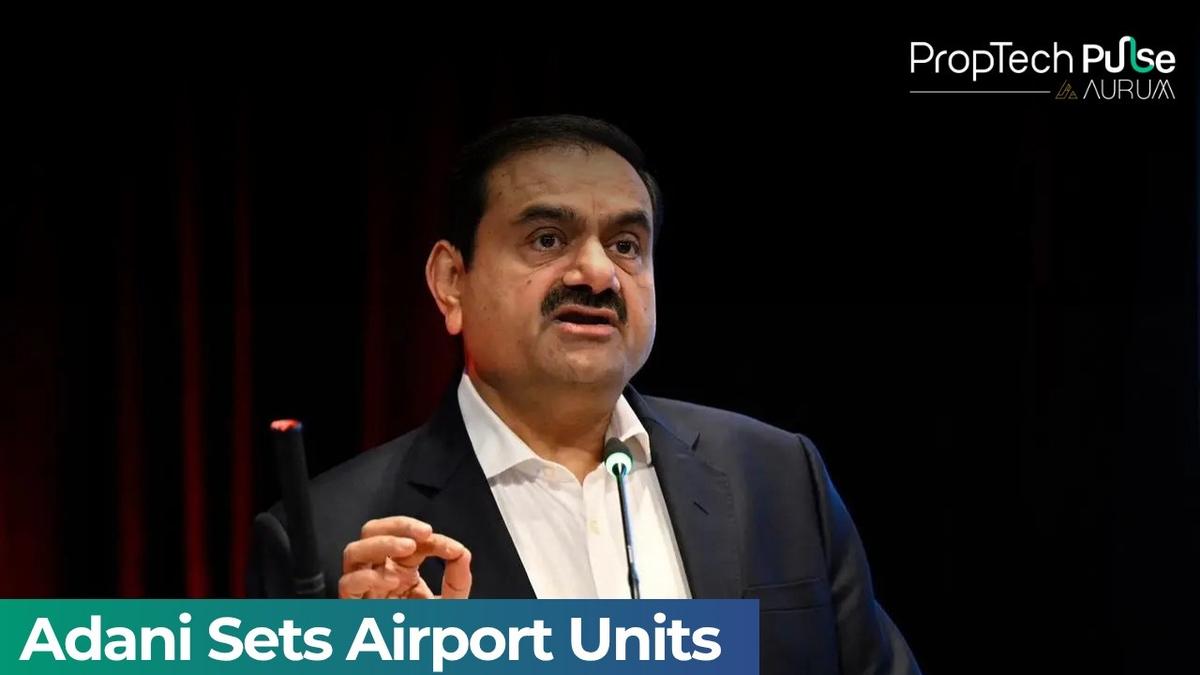
The Adani Group has taken a decisive step in its long-term infrastructure vision by incorporating three new wholly-owned subsidiaries dedicated to real estate and hospitality development. Announced in a regulatory filing on April 18, 2026, the Adani Enterprises step-down unit, Adani Airport City Ltd, has established new entities focused on creating integrated real estate and hotel developments around key aviation assets. This move is a fundamental component of the conglomerate’s $15 billion expansion roadmap, which seeks to transform its airport portfolio into comprehensive urban ecosystems by the year 2030.
Why the Expansion Strategy Matters
This strategic pivot is designed to maximize the commercial utility of the land surrounding India’s busiest aviation hubs. By developing specialized hospitality assets, including hotels, banquet halls, and business centers, the group aims to capture value beyond traditional aviation operations. This is particularly relevant as the company targets a massive 60 percent increase in total airport capacity to accommodate a surge in air travel demand. The creation of dedicated entities for Navi Mumbai, Guwahati, and Ahmedabad suggests a standardized, scalable approach to managing these integrated urban hubs, ensuring focused management and resource allocation.
Where the Development is Focused
The development is geographically centered on major airports managed by Adani Airport Holdings Ltd, including Navi Mumbai, Guwahati, and Ahmedabad. These locations serve as the primary anchors for the new subsidiaries: Adani Navi Mumbai Airport City Ltd, Adani Guwahati Airport City Ltd, and Adani Ahmedabad Airport City Ltd. By integrating these hubs within the vicinity of key airports, the group is positioning itself to serve a projected 300 million passengers annually. This strategic alignment leverages the high-traffic footfall of these eight managed airports, which currently account for a significant share of India's air cargo and passenger movement.
Importance of Institutional-Grade Integration
The importance of this initiative lies in its capacity to drive diversified, recurring revenue streams through property leasing and hospitality services. For the broader real estate and investor community, this rollout marks a crucial milestone in the evolution of Indian airport infrastructure. It transitions airport assets from simple transit terminals into dynamic integrated hubs featuring business and leisure services. By attracting private capital and expertise for these ventures, Adani is building a sustainable, long-term ecosystem that enhances the overall commercial viability of the airport units.
Project Viability and Future Outlook
The successful incorporation of these subsidiaries is a vital step toward the broader IPO-readiness of the airport unit. With clear objectives, including the construction of buildings and integrated business facilities, the authority is creating a predictable landscape for large-scale institutional industrial investments across its primary hubs. As project timelines and detailed master plans emerge over the coming quarters, this expansion will likely set a new benchmark for how Indian corporate giants monetise and develop land parcels surrounding aviation assets.
Conclusion: A Template for Airport Cities
Ultimately, this expansion demonstrates how modern infrastructure planning can harmonize state-level connectivity goals with high-growth commercial real estate. As the group continues its ambitious airport city expansion strategy across India, these newly formed entities will play a foundational role in building trust, ensuring long-term asset success, and driving sustainable urban growth for the next generation of travellers and business professionals in these key cities.
Enjoyed this update? Visit PropTech Pulse for more real estate news and market insights.


