New Launch - India Real Estate Report 2026.











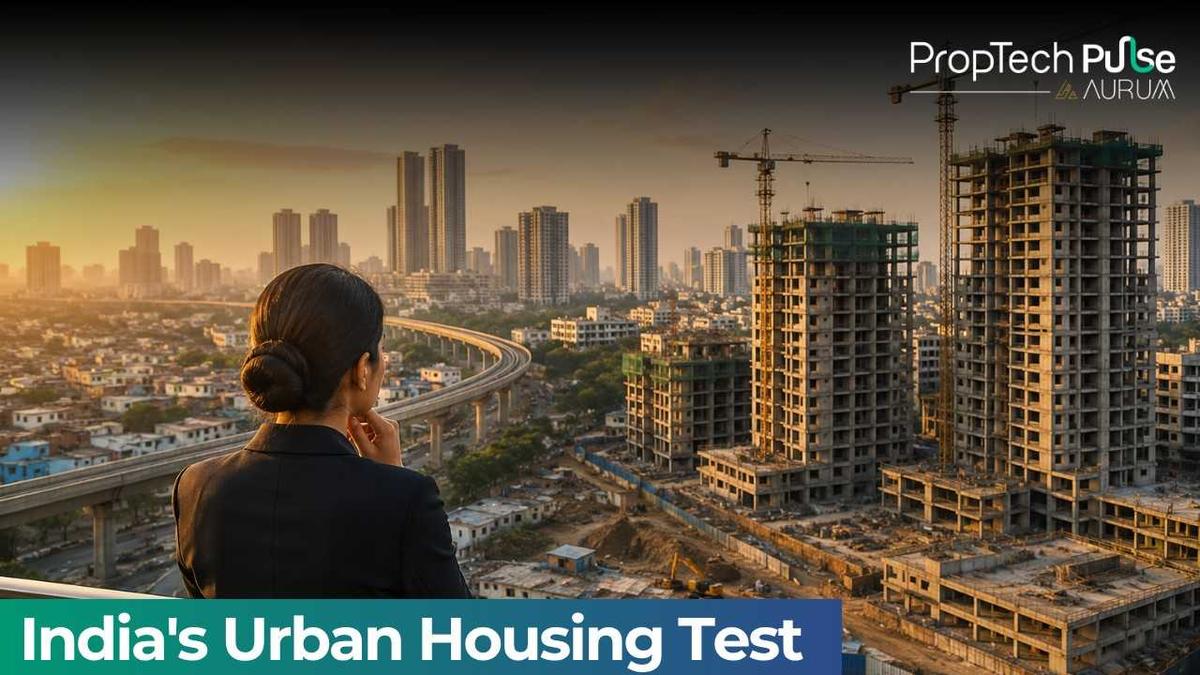
Residential demand across Indian cities is climbing fast. New projects are launching, buyers are coming back to the market, and suburban corridors that were once considered too far from everything are suddenly looking very attractive. But here's the uncomfortable truth: the housing is growing faster than the cities around it.
Infrastructure, civic services, public transport, these things take time. And in several pockets across India's fastest-growing urban markets, people are moving into new homes well before the roads, schools, and drainage systems around them are ready. That gap is the real story.
Suburbs Are Booming, But for the Right Reasons
Ask any homebuyer why they are looking 20-30 km outside the city centre and the answer is almost always the same — space and price. Expressway connectivity has changed the calculus completely. Areas near metro routes, industrial zones, and upcoming business districts are seeing strong residential uptake because buyers today are willing to move out of the core city if getting to work doesn't become a nightmare.
That's actually a healthy shift. It takes pressure off already-congested urban cores and opens up new land supply. But it only works if the infrastructure follows quickly enough.
Where Cities Are Still Playing Catch-Up
Here's where things get complicated. In many developing residential corridors, the housing supply has outpaced the civic systems meant to support it:
- Roads that were designed for light traffic are struggling with the load of new residential townships
- Schools and hospitals take years to establish, and residents often have to travel far for basic services
- Drainage and utility networks lag behind occupancy growth, leading to waterlogging and power issues
- Public transport connections are often the last piece to arrive, not the first
None of this is new. Indian cities have always grown this way, housing first, infrastructure later. The question is whether the next wave of growth gives planners and developers a chance to do it differently.
Affordability Can't Be an Afterthought
While luxury and premium housing grab most of the headlines, the bulk of future demand is still going to come from first-time buyers and mid-income households. These are people who need well-located, reasonably priced homes, not just in the periphery, but across the city. Pricing them out of well-connected areas and pushing them further into under-served corridors is a short-term fix that creates long-term problems.
Cities that get this right will build housing ecosystems where affordability and infrastructure grow together. That's a harder thing to pull off, but it's the only version of urban growth that actually holds up over time.
Technology Is Slowly Becoming Part of the Answer
There's genuine progress on the smarter side of urban development. Smarter traffic systems, digital civic services, sustainable construction, and better utility management are slowly becoming standard features of how new urban development is being planned and delivered. It's not transformative yet, but the direction is right.
India's residential growth story is real. The demand is there, the buyers are there, and the capital is following. The cities just need to catch up and fast.
Enjoyed this update? Visit PropTech Pulse for more real estate news and market insights.