New Launch - India Real Estate Report 2026.











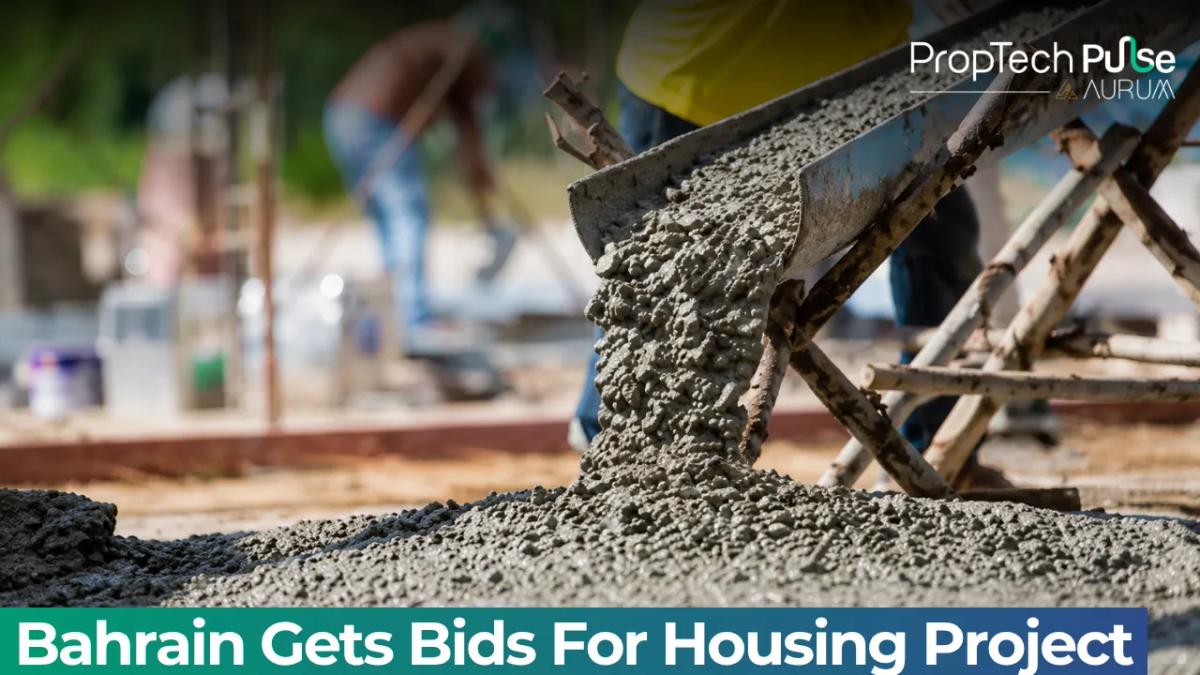
Bahrain's housing sector has taken another step forward with the receipt of two bids for the development of the 2,500-unit Madinat Khalifa housing project. The project forms part of the kingdom's broader strategy to expand residential supply, address housing demand and enhance living standards through large-scale community developments.
The tender process highlights continued interest from developers and investors in Bahrain's residential sector and reflects the government's commitment to accelerating housing delivery through strategic partnerships and infrastructure investments. The Madinat Khalifa project is expected to become one of the country's significant residential developments, contributing to long-term urban growth and social housing objectives.
A Major Residential Development Initiative
The Madinat Khalifa housing project aims to deliver approximately 2,500 residential units as part of Bahrain's ongoing efforts to provide quality housing solutions for citizens. Large-scale housing developments have become an important component of the kingdom's urban planning strategy as authorities seek to meet rising demand and improve access to modern residential communities.
The project is expected to include supporting infrastructure and community amenities that will create an integrated living environment. Such developments generally incorporate roads, utility networks, public spaces and essential services that contribute to the formation of sustainable neighbourhoods.
Supporting Bahrain's Housing Strategy
Bahrain's residential development programme places significant emphasis on increasing housing availability and improving accessibility for eligible citizens. The government has been actively pursuing initiatives that encourage collaboration between public institutions and private developers to accelerate project delivery and optimise resource utilisation.
Housing remains a strategic priority for Bahrain as population growth and evolving lifestyle preferences continue to influence demand patterns. Expanding residential supply is viewed as essential for supporting social development and enhancing overall quality of life.
Role Of Public-Private Collaboration
The tender process demonstrates Bahrain's increasing reliance on competitive procurement and private-sector participation to deliver large infrastructure and housing projects. Public-private partnerships have become an effective mechanism for mobilising investment, enhancing project execution capabilities and introducing innovative development approaches.
Collaboration between government entities and private developers also contributes to economic activity by supporting construction, creating employment opportunities and stimulating demand across related industries.
Broader Economic Implications
Bahrain's real estate market has continued to evolve through investments in residential, commercial and mixed-use developments. Large housing projects not only address accommodation requirements but also contribute to urban expansion, infrastructure enhancement and economic diversification objectives.
The development of new residential communities can generate positive multiplier effects across the economy by increasing demand for construction materials, professional services and supporting businesses. Integrated housing projects also help strengthen long-term urban resilience and improve the attractiveness of surrounding areas for future investments.
Key Highlights
- Bahrain's housing sector has received two bids for a major residential development.
- The 2,500-unit Madinat Khalifa housing project aims to expand housing availability in the kingdom.
- The Madinat Khalifa housing project will contribute to integrated community development.
- Bahrain's residential development programme focuses on increasing housing supply and accessibility.
- Bahrain's real estate market continues to benefit from large-scale residential investments and infrastructure projects.
The receipt of bids for the Madinat Khalifa housing project marks another important milestone in Bahrain's housing development agenda. As the kingdom continues to prioritise residential expansion and integrated community planning, projects of this scale are expected to play an increasingly important role in supporting social development and long-term economic growth.
Enjoyed this update? Visit PropTech Pulse for more real estate news, investment insights, and property market trends.