
Ask Pulse Ai
Services
Knowledge Hub
Resources
Tools
Ask Pulse Ai
Services







©PropTech Pulse 2025, All rights reserved.

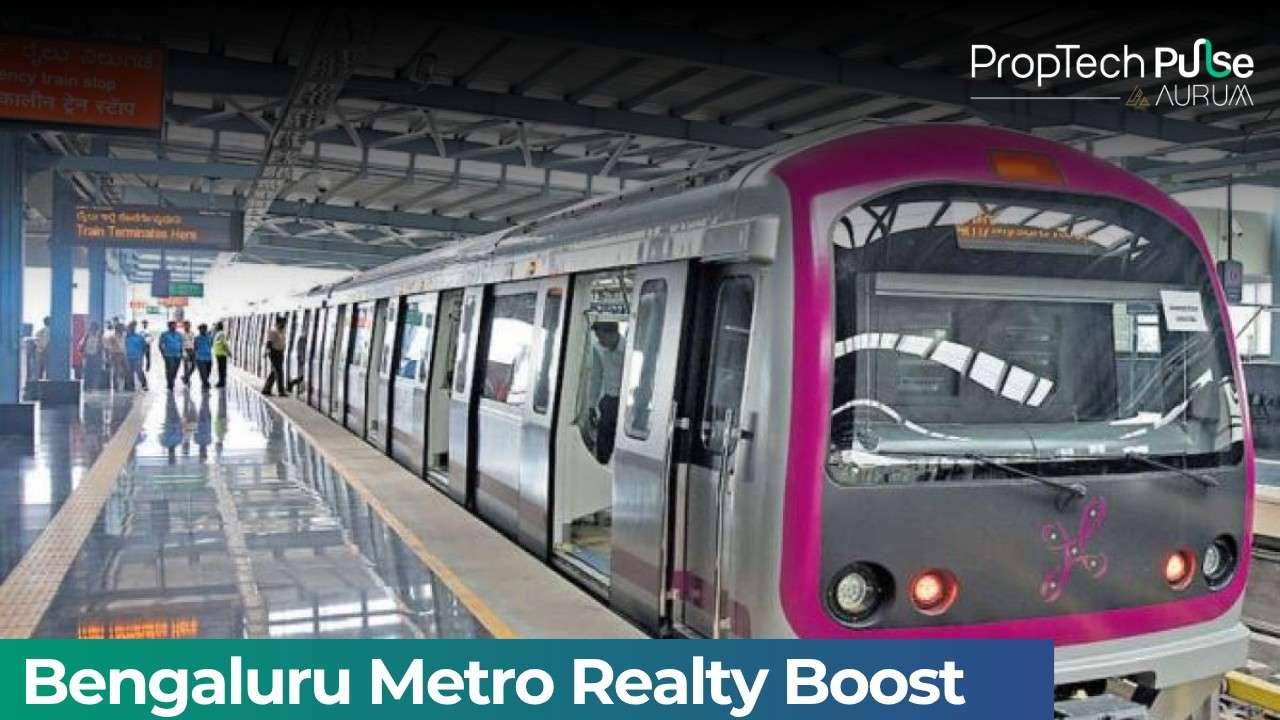
Bengaluru’s real estate market is entering a transformative phase in 2026, driven by the strategic expansion of its metro network. As the city’s connectivity improves, the real estate sector is witnessing a synchronised surge in both residential and commercial demand. Recent market data indicate that the infrastructure-led growth is no longer just a projection but an active reality, positioning the city as a high-growth, infrastructure-led real estate hub. The city is currently experiencing a massive phase where Bengaluru metro corridors office demand and rentals are shifting the investment landscape fundamentally.
Why the Metro Corridors are Redefining Growth
The surge in demand is fundamentally rooted in the promise of reduced commute times and enhanced accessibility. For the workforce, living and working near metro lines is becoming a top priority, driving developers to shift their project launches closer to these transit nodes. This shift is not just about convenience; it is about economic value. As the workforce migrates toward well-connected areas, the demand for premium office spaces and residential units in these catchments is skyrocketing. This transition is naturally supported by infrastructure-led property price appreciation in Bengaluru, which remains a key concern for both investors and homebuyers.
Where the Market Focus Has Shifted
The focus is currently concentrated along the operational Yellow Line and the upcoming Pink and Blue lines. Electronic City, Bannerghatta Road, and the Outer Ring Road (ORR) are emerging as the primary battlegrounds for real estate activity. These micro-markets are seeing a transformation from peripheral locations to central hubs, effectively collapsing distances. With a significant portion of Grade A office stock expected to concentrate along these lines by 2027, the geography of the city’s business district is being redrawn to follow the metro map.
Importance of Institutional and Residential Value
The importance of this infrastructure expansion lies in its ability to support long-term capital appreciation. Experts project that residential capital values could rise by as much as 40% in the next few years due to the compounding effect of improved transit and consistent corporate migration. As developers intensify their activity near stations, the sector is seeing residential and commercial growth along metro lines that stabilises the market against broader economic headwinds. This trend reinforces Bengaluru’s status as a top-tier destination for real estate investment.
The Long-Term Market Outlook
Looking ahead, the commencement of new metro lines will likely reinforce the city’s position as a high-growth market. Investors are already anticipating a ripple effect that will touch the retail and hospitality sectors as footfalls increase around major stations. The proactive development of these corridors ensures that Bengaluru remains an attractive proposition for both MNCs and startups, which continue to anchor the city's commercial and residential viability.
Conclusion: A Future of Sustainable Prosperity
Ultimately, the expansion of Bengaluru's metro network signifies a move toward a more integrated and efficient urban future. By prioritizing transit-oriented development, the city is successfully future-proofing its real estate assets. As infrastructure continues to evolve, stakeholders can expect sustained appreciation, making Bengaluru one of the most reliable and dynamic real estate markets in India through 2026 and beyond.
Enjoyed this update? Visit PropTech Pulse for more real estate news and market insights.




Ask Pulse Ai anything about real estate

Unlock the Latest in Real Estate
News, Infographics, Blogs & More! Delivered to your inbox.