
Services
Knowledge Hub
Resources
Tools
Services







©PropTech Pulse 2025, All rights reserved.

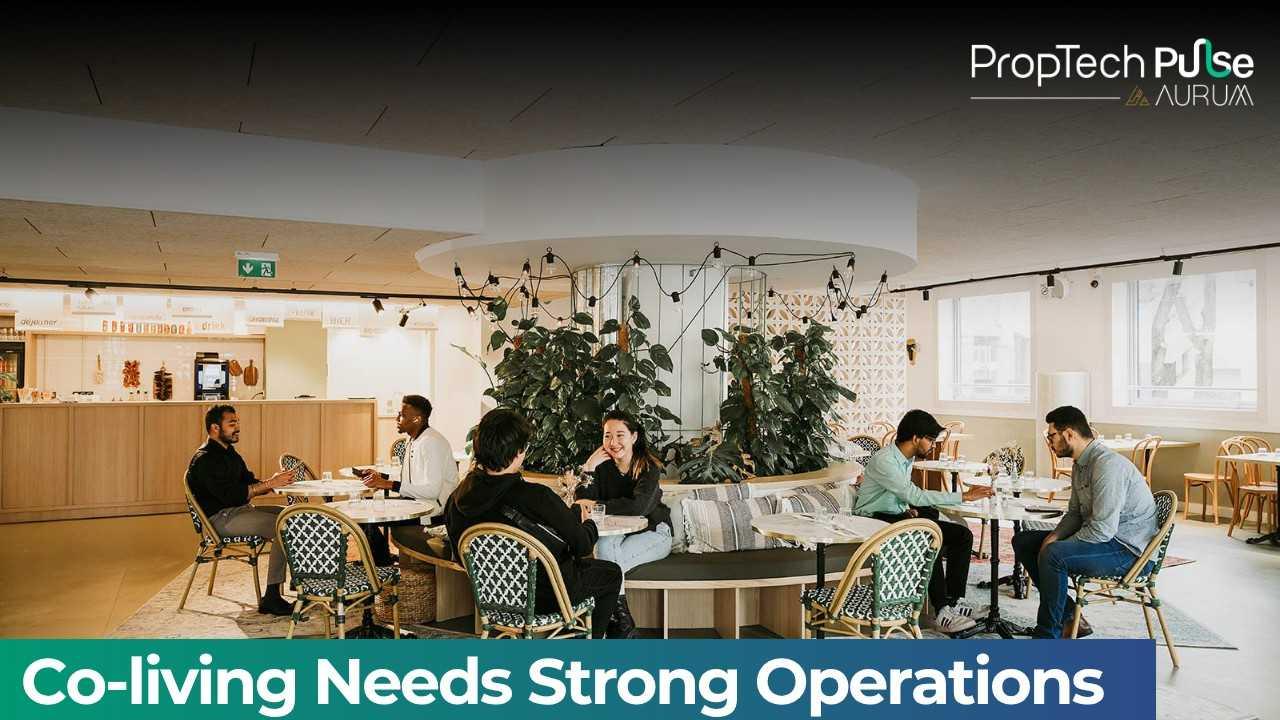
The co-living sector in India is experiencing a significant maturation phase in 2026. What was once viewed as a simple real estate play focused on asset ownership has fundamentally evolved into a complex, service-intensive hospitality model. As urban migration continues to accelerate, the business has shifted from merely leasing space to delivering a comprehensive living experience. Investors and operators are increasingly realizing that operational execution is key for co living businesses to thrive in a highly competitive and price-sensitive urban market.
Why the Shift to Hospitality Matters
The core of this transformation lies in the consumer's perception of value. Today’s urban tenant is not just renting a room; they are paying for convenience, including fully furnished setups, proximity to workspaces, and a frictionless experience. Consequently, operators must function less like traditional landlords and more like hospitality providers. This shift is driven by the realization that service quality, responsiveness, and consistency are the primary determinants of occupancy. Reliability has become the new currency, replacing simple square-footage-based valuation models that previously defined the rental sector.
Where the Focus on Location Lies
Demand in this sector is hyper-location-sensitive. Properties situated near major IT hubs, university campuses, and transit corridors command premium occupancy levels. However, these choice locations come with high entry costs and complex regulatory frameworks. Operators are now finding that the cost of securing these prime assets often offsets potential gains, leading to margin compression. Success in these high-demand areas requires not only the right location but also the ability to manage the high operational intensity that comes with frequent tenant turnover in these bustling clusters.
Importance of Operational Discipline
The "margin myth" in co-living highlights why simple capital influx is insufficient. High churn rates, daily housekeeping, and continuous maintenance needs create significant overhead that traditional property management models cannot sustain. Profitability is heavily dependent on occupancy stability and rigorous cost control. The industry is witnessing a clear separation between passive asset owners and active operators who possess the capability to manage these service expectations at scale, effectively turning underutilized real estate into productive, high-yield assets.
Executing at Scale
The Indian co-living market remains structurally strong, supported by favourable demographics and constant urban migration. Yet, its perceived simplicity is often misleading. It is an operations-driven, service-intensive model where the primary hurdle is not acquiring property but running it with extreme efficiency. For investors, the key question for 2026 is no longer just where to deploy capital, but which operator possesses the operational discipline to deliver consistent service standards across diverse portfolios.
Conclusion: A Future Built on Execution
Ultimately, the co-living sector is proving that in the modern rental market, the property itself is not the primary differentiator; the management is. By prioritizing high-touch service, technology-driven operations, and meticulous cost management, successful operators are reshaping the urban rental experience. As the industry advances, the winners will be those who master the delicate balance between affordability and high-service delivery, ensuring sustainable growth through rigorous execution discipline.
Enjoyed this update? Visit PropTech Pulse for more real estate news and market insights.




Unlock the Latest in Real Estate
News, Infographics, Blogs & More! Delivered to your inbox.