New Launch - India Real Estate Report 2026.











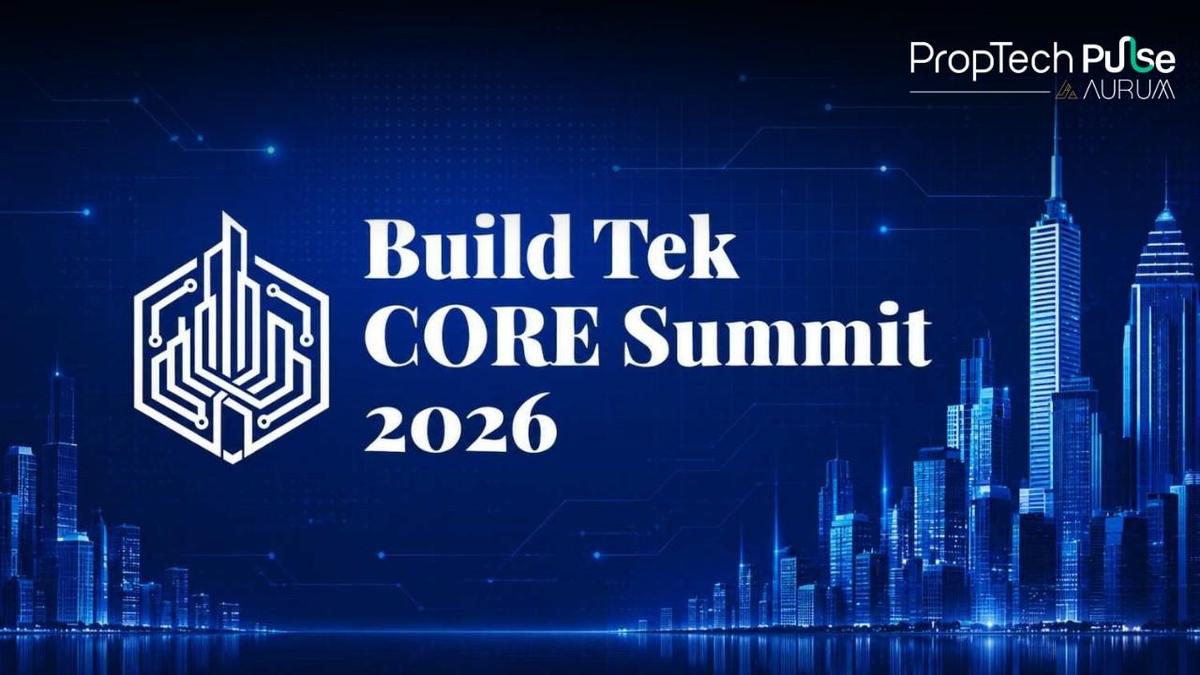
Of the six strategic pillars anchoring the BuildTek Core Summit 2026, set for July 11th - 12th at the JW Marriott in Pune, none carries higher long-term stakes than ESG. As over 500 C-level executives and founders prepare to gather for this invite-only leadership forum, sustainability has moved from a corporate talking point to a hard commercial reality for India's developers and contractors. As an official media partner, PropTech Pulse is turning the spotlight on the pillar that, more than any other, will separate the projects that attract tomorrow's capital from those left behind: ESG sustainable building.
The urgency is not abstract. India has committed to reaching net-zero emissions by 2070, and the built environment sits squarely in the path of that promise. Globally, buildings and construction account for close to 40% of energy-related carbon emissions. For an industry building at the pace India demands under its "Viksit Bharat" vision, that makes ESG becomes less a question of conscience and more a question of licence to operate. The summit treats it accordingly, placing climate-responsive construction at the centre of its agenda rather than the margins.
From Compliance to Competitiveness
For years, green credentials in Indian real estate were treated as a badge, a certification to display once a project was complete. That framing is rapidly collapsing. The leaders convening at BuildTek increasingly view ESG as a competitive moat: green-certified, energy-efficient buildings command stronger tenant demand, lower operating costs over their lifecycle, and a meaningful edge in attracting institutional capital. The modern global investor that article one referenced is now screening portfolios through an ESG lens, and developers who cannot demonstrate climate resilience are quietly being priced out of the most valuable deals.
Invitations closing soon
Be in the room where India's built future is decided.
Register Now
Limited to 500 delegates — secure your place.
This is where the summit's emphasis on moving from execution to strategic ownership becomes concrete. Embedding ESG is not a finishing touch applied at handover; it is a series of upstream decisions about materials, design, and energy systems made long before the first foundation is poured. From tackling the embodied carbon locked in cement and steel to integrating renewable energy and water efficiency at the design stage, the developers setting the benchmark are treating sustainability as a core engineering discipline, not a marketing layer.
Building for Resilience, Not Just Ratings
The second shift the summit is poised to surface is the move beyond certification scores toward genuine resilience. As extreme weather, heat stress, and resource constraints become defining features of Indian urban life, a building's ability to perform under pressure is becoming as important as its green rating on paper. The most forward-looking leaders are designing for the conditions of 2050, not 2025, and that long horizon is reshaping how risk, cost, and value are calculated across the project lifecycle.
It is also where ESG intersects with the summit's other pillars. Digital tools make sustainability measurable and auditable; sound governance turns climate commitments into accountable targets; and safe, resilient design protects both people and assets. By placing ESG alongside Digital Transformation, Leadership, and Safety rather than in a silo, BuildTek reflects how the sector's frontrunners actually operate, treating smart, safe, and sustainable as a single, indivisible standard.
At PropTech Pulse, we see ESG as the pillar that turns the summit's ambition into accountability. Technology and leadership set the direction, but it is sustainability that the next generation of investors, regulators, and occupants will use to judge whether India built well or merely built fast. As 40+ industry titans prepare to debate these questions in Pune, the central message is already taking shape: the buildings worth celebrating are the ones built to last in every sense. We look forward to documenting how the summit's leaders translate that conviction into the future of ease.


