
Ask Pulse Ai
Services
Knowledge Hub
Resources
Tools
Ask Pulse Ai
Services







©PropTech Pulse 2025, All rights reserved.

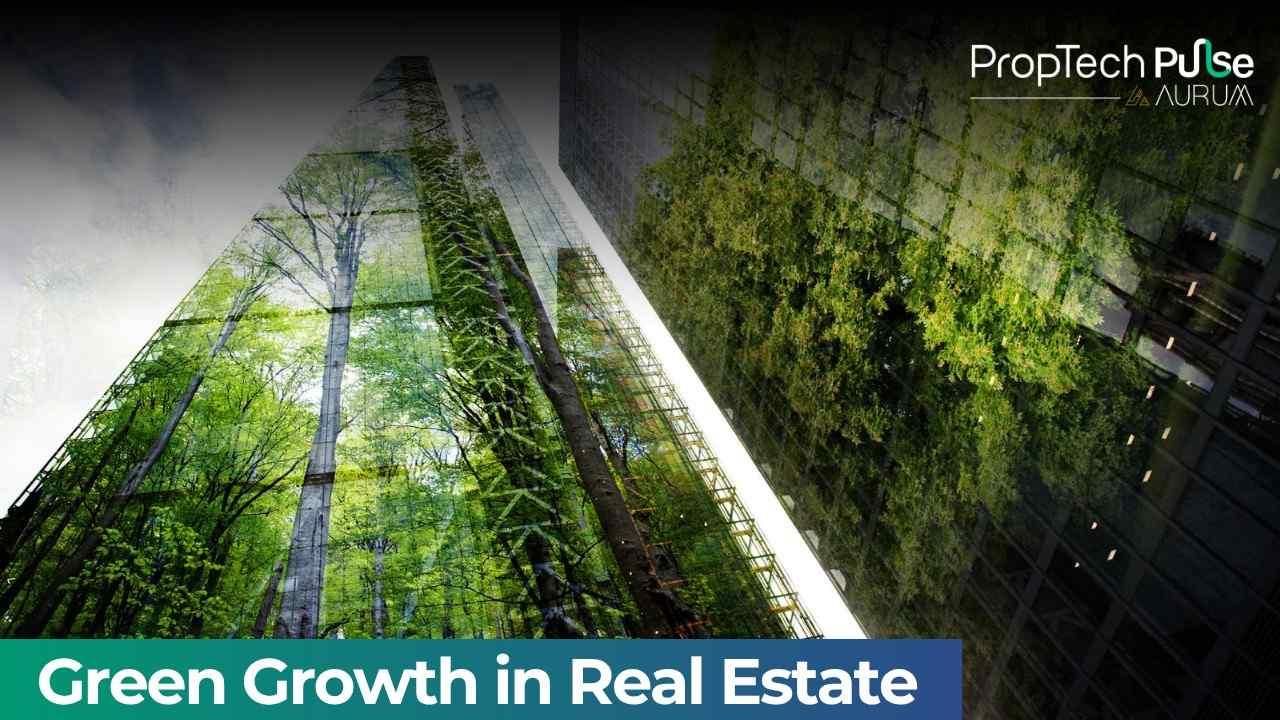
Sustainability has transitioned from a niche preference to a core structural driver of value in India's real estate sector. As of May 2026, green-certified buildings are rapidly becoming the default standard, particularly in commercial real estate, where occupiers treat environmental compliance as a business requirement. Data indicates a decisive shift: nearly 80–85 per cent of new office leasing in India now occurs within green-certified assets. This trend is primarily propelled by global occupiers, Global Capability Centres (GCCs), and institutional investors aligning their portfolios with strict ESG (Environmental, Social, and Governance) mandates.
Rental Premiums and Economic Incentives
The shift toward green buildings is supported by clear economic rationale, including lower operating costs and stronger tenant retention. Significant rental premiums have emerged across major Grade-A assets in India's top cities:
- Mumbai: Green-certified assets command a rental premium of nearly 24 per cent.
- Delhi-NCR: Sustainability-focused developments attract a 13 per cent premium.
- Bengaluru: Select Grade-A green buildings see rental uplifts of approximately 9 per cent.
Beyond premiums, these structures are viewed as more resilient assets, inspiring stronger confidence among institutional capital providers who increasingly favour future-ready, energy-efficient developments.
Challenges and Innovation in Residential Real Estate
While the transition is highly visible in the commercial segment, residential developers face the complex challenge of balancing sustainability ambitions with affordability pressures. In response, design decisions have become more deliberate, focusing on passive, climate-responsive architecture rather than expensive bolt-on technologies. Strategies include smarter tower orientation to reduce heat gain, the use of local materials, and the integration of waste segregation systems. Shekhar G Patel, President of CREDAI, noted that integrating sustainability at the planning stage is essential for ensuring that projects remain commercially viable while contributing to a low-carbon future.
Urban Resilience and Civic Impact
The drive for green buildings is also a pragmatic response to the infrastructure stress and climate risks facing Indian metros. Cities like Mumbai and Bengaluru are grappling with water shortages and rising urban heat, making energy-efficient and water-neutral buildings an economic necessity. Features such as rainwater harvesting, solar energy integration, and smart metering are no longer just branding exercises; they are vital for reducing the pressure on overstretched civic systems and ensuring long-term liveability.
Projected Growth and Future Outlook
With India's real estate sector currently contributing 6–8 per cent to the national GDP and projected to reach a valuation of USD 5–10 trillion by 2047, sustainability is set to remain a defining pillar of growth. Developers are finding that green buildings perform better over long holding periods due to reduced energy dependency and healthier indoor environments. As the market matures, energy-efficiency benchmarks and air quality metrics are expected to become baseline expectations for all buyers and investors, reshaping the industry from the ground up.
Enjoyed this update? Visit PropTech Pulse for more real estate news and market insights.




Unlock the Latest in Real Estate
News, Infographics, Blogs & More! Delivered to your inbox.