New Launch - India Real Estate Report 2026.











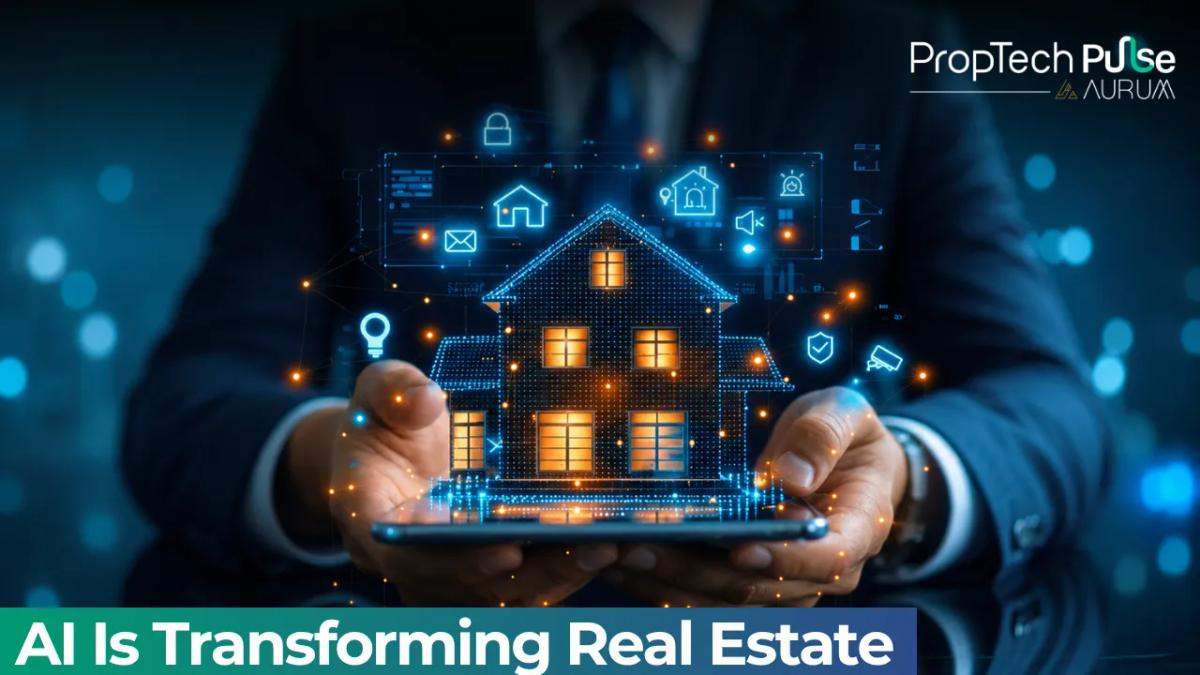
Artificial intelligence is transforming the real estate industry, but it is not eliminating the need for agents. Instead, AI is changing how professionals work by handling repetitive tasks, improving efficiency and providing valuable insights that help agents serve clients more effectively.
As technology becomes more advanced, real estate companies are increasingly adopting AI-powered tools to streamline operations, improve customer engagement and simplify property transactions. Rather than replacing professionals, these technologies are helping agents focus on the areas where human expertise remains most valuable.
How AI Is Changing Daily Real Estate Operations
AI-powered platforms are now capable of processing large amounts of market data within seconds. They can analyze property values, identify market trends, recommend properties to buyers and automate routine administrative tasks.
Tasks such as scheduling appointments, managing leads, answering common customer questions and generating marketing content can now be completed more efficiently through AI tools. This allows agents to spend less time on paperwork and more time building relationships with clients.
Why Human Expertise Still Matters
Buying or selling property remains a deeply personal decision that often involves significant financial commitments and emotional considerations. While AI can provide data-driven recommendations, it cannot fully replace the trust, empathy and negotiation skills that experienced agents bring to the process.
Clients often seek guidance when making major investment decisions. They rely on agents to explain market conditions, evaluate opportunities and provide local knowledge that goes beyond what technology can deliver.
Improving The Customer Experience
Modern AI tools are helping agents deliver faster and more personalized services. Buyers can receive property recommendations tailored to their preferences, while sellers can gain better insights into pricing and market demand.
AI can also help identify serious buyers, predict customer interests and improve communication. These capabilities make the property search process more efficient and enhance the overall customer experience.
Creating New Opportunities For Agents
The rise of AI is creating opportunities rather than eliminating jobs. Agents who embrace technology can become more productive and competitive. By automating routine work, professionals can dedicate more time to advisory services, client relationships and strategic decision-making.
Industry experts increasingly view AI as a tool that enhances professional capabilities. Successful agents are likely to be those who combine technology-driven insights with strong interpersonal skills and market expertise.
The Future Of Real Estate And AI
The future of real estate is expected to involve collaboration between people and technology. AI will continue to improve operational efficiency and data analysis, while agents will remain responsible for relationship management, negotiations and personalized guidance.
As the industry evolves, technology is expected to become an essential part of every stage of the property journey. However, the human element will continue to play a critical role in helping clients make informed and confident decisions.
Key Highlights
- Artificial intelligence is transforming the real estate industry by improving efficiency and productivity.
- AI-powered platforms can automate routine tasks and analyze market data.
- Buying or selling property remains a deeply personal decision that requires human guidance.
- Modern AI tools are helping improve customer experiences and service quality.
- The future of real estate is expected to involve collaboration between people and technology.
AI is becoming an important part of the real estate industry, but its role is largely supportive rather than disruptive. While technology can automate processes and provide valuable insights, the expertise, trust and personal relationships offered by real estate agents remain essential. The future is likely to be defined by a partnership between AI and professionals rather than competition between the two.
Enjoyed this update? Visit PropTech Pulse for more real estate news, investment insights, and property market trends.