
Ask Pulse Ai
Services
Knowledge Hub
Resources
Tools
Ask Pulse Ai
Services







©PropTech Pulse 2025, All rights reserved.

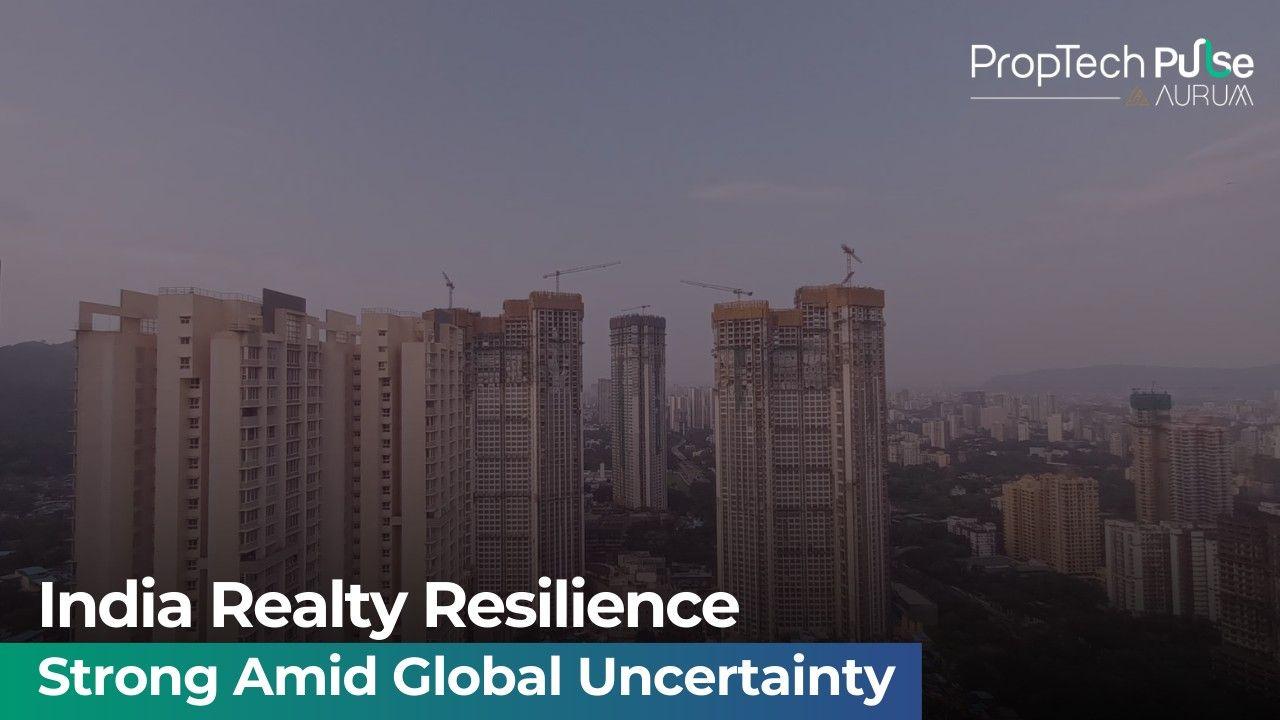
India’s Real Estate Market Shows Remarkable Resilience
At a time when several global property markets are navigating volatility and subdued demand, India’s real estate sector has emerged as one of the most resilient across the Asia-Pacific region. Despite macroeconomic challenges and lingering global uncertainties, the Indian property market has maintained momentum, supported by strong domestic fundamentals and consistent end-user demand.
Housing Demand Anchors Market Stability
One of the strongest pillars supporting India’s real estate resilience is the sustained demand for residential housing. End-users continue to drive sales across affordable, mid-income, and premium segments, reducing reliance on speculative buying. Government-led housing initiatives and improving access to home financing have further strengthened buyer confidence, ensuring steady absorption in major urban centres.
Urbanisation Fuels Long-Term Growth
Rapid urbanisation remains a defining force behind India’s property market strength. Migration toward cities for employment, education, and better infrastructure continues to create demand for housing, offices, and social amenities. This structural shift is reinforcing the need for planned urban expansion and boosting real estate investment across metropolitan and emerging cities.
Policy Support and Regulatory Maturity
Policy reforms over the past few years have enhanced transparency and accountability in the sector. Regulatory measures have improved buyer trust, encouraged organised development, and strengthened market discipline. Continued policy focus on infrastructure, housing supply, and ease of doing business has helped India stand out among regional peers facing regulatory or demand-side constraints.
Technology Adoption Strengthens Efficiency
Technology has played a growing role in improving how real estate transactions are conducted. Digital platforms, online documentation, and virtual property tours have streamlined processes and reduced friction for buyers and sellers. The adoption of proptech solutions has not only enhanced operational efficiency but also expanded market reach, making property transactions more accessible and transparent.
Foreign Investment and Institutional Interest
India continues to attract foreign capital into its property markets, particularly in commercial and income-generating assets. Institutional investors are drawn by long-term growth prospects, improving governance, and favourable demographics. These inflows are reinforcing India’s position as a stable destination for global real estate investors, even as other markets face capital outflows.
Sustainability Shapes New Development
Sustainability is increasingly influencing development strategies across residential and commercial projects. Developers are incorporating energy-efficient designs, water management systems, and green materials in response to evolving buyer and tenant expectations. The rise of green building practices is supporting long-term value creation while aligning the sector with broader environmental goals.
Demographics Provide a Structural Advantage
India’s young and expanding workforce remains a significant driver of demand for housing and urban infrastructure. Rising household formation and improving income visibility are translating into long-term housing needs. This demographic advantage offers a structural cushion that many global markets lack, supporting consistent demand even during economic slowdowns.
Outlook for the Years Ahead
Looking ahead, experts remain optimistic about India’s real estate trajectory. While global uncertainties may persist, strong domestic drivers such as urbanisation, end-user demand, policy support, and technology adoption are expected to sustain growth. The market’s ability to adapt and evolve positions it well for steady expansion in the coming years.
Conclusion
India’s real estate market has demonstrated resilience through a combination of structural demand, regulatory maturity, and economic fundamentals. As the sector continues to evolve, it stands out as a stable and attractive market within the Asia-Pacific region, offering long-term opportunities for developers, homebuyers, and investors alike.
Enjoyed this update? Visit PropTech Pulse for more real estate news and market insights.




Unlock the Latest in Real Estate
News, Infographics, Blogs & More! Delivered to your inbox.