New Launch - India Real Estate Report 2026.

Services
Knowledge Hub
Resources
Tools

Ask Pulse Ai
©PropTech Pulse 2025, All rights reserved.


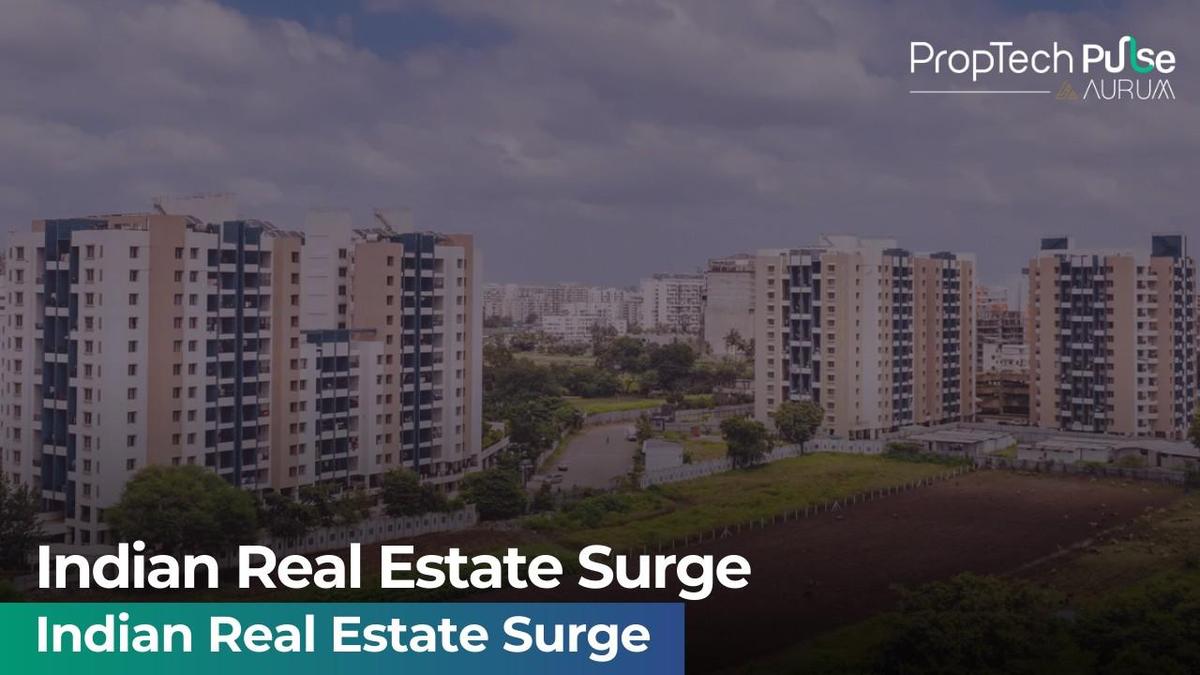
Record Investments Redefine Market Sentiment
The Indian real estate sector has entered a decisive growth phase, marked by record-breaking investments supported by a sharp rise in retail debt participation. This shift highlights a structural change in how capital flows into property markets, with end-users and individual investors playing a more active role in driving demand. As borrowing becomes more accessible and confidence strengthens, real estate is once again emerging as a preferred asset class.
Retail Debt as a Key Growth Engine
The increasing availability of home loans and structured credit products has enabled a wider base of buyers to enter the market. Competitive interest rates, longer repayment tenures, and improved lending transparency have encouraged households to convert aspirations into ownership. This retail-led financing wave is not only stimulating residential absorption but also improving cash flows for developers, allowing projects to progress with greater certainty.
From a macroeconomic standpoint, rising retail debt in real estate is acting as a multiplier. It is supporting allied sectors such as construction, building materials, and infrastructure services, reinforcing the sector’s role as a major contributor to economic activity.
Investment Momentum Across Segments
While residential real estate remains the primary beneficiary, investment momentum is visible across multiple asset classes. Demand for commercial offices, logistics parks, and mixed-use developments is strengthening as businesses expand and consumption patterns evolve. This diversified growth indicates a maturing market where capital is being deployed strategically rather than speculatively.
The renewed confidence has also attracted institutional capital and foreign investors, who view India’s retail-driven demand as a stabilizing factor. The combination of domestic consumption and long-term urbanization trends continues to make Indian real estate an attractive investment destination.
Challenges That Need Attention
Despite the strong momentum, the sector faces challenges that cannot be overlooked. Housing affordability remains a concern in major urban centers, particularly as land and construction costs rise. Regulatory compliance, while improving transparency, continues to demand operational discipline from developers, especially smaller players.
Addressing these challenges will require coordinated efforts across policy, financing, and urban planning. Sustained growth will depend on balancing accessibility for buyers with financial prudence and supply-side efficiency.
Outlook for the Road Ahead
Market analysts remain optimistic about the sector’s trajectory. With retail debt anchoring demand and capital inflows supporting development, Indian real estate appears well-positioned for long-term, sustainable growth. The focus is gradually shifting from cyclical recovery to structural expansion, driven by end-user participation rather than speculative excess.
As India advances toward becoming a global real estate hub, the current investment surge signals more than just short-term enthusiasm. It reflects a deeper transformation in how property is financed, developed, and consumed, setting the foundation for a resilient and inclusive market.
Enjoyed this update? Visit PropTech Pulse for more real estate news and market insights.


