New Launch - India Real Estate Report 2026.

Services
Knowledge Hub
Resources
Tools

Ask Pulse Ai
©PropTech Pulse 2025, All rights reserved.


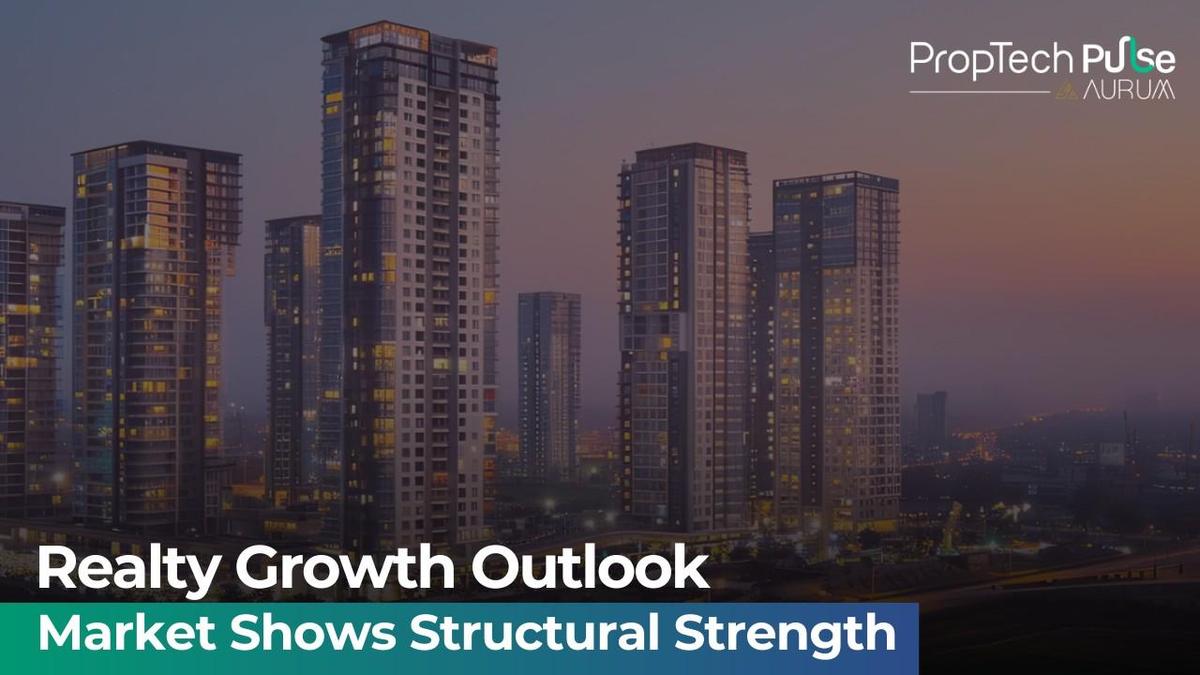
India’s Property Market Enters a Phase of Stability
As India moves toward 2025, the country’s real estate sector is displaying notable structural strength and resilience. Market assessments indicate that the sector has moved beyond short-term recovery and is now supported by stable fundamentals. This stability is reflected in consistent demand, improved transparency, and a growing alignment between supply and buyer expectations across major cities.
Demand Momentum Across Key Segments
Residential, commercial, and industrial real estate segments are witnessing steady demand, driven by a combination of economic recovery and evolving lifestyle preferences. Homebuyers are increasingly seeking well-planned developments that offer connectivity, amenities, and long-term value. At the same time, commercial real estate continues to benefit from India’s expanding services and technology-driven economy.
Policy Support and Regulatory Confidence
One of the most significant contributors to market confidence has been sustained policy support. Regulatory frameworks have improved transparency and accountability, encouraging both end-users and institutional investors to participate more actively. Clearer rules and improved compliance mechanisms have helped restore trust in the sector, which was previously affected by execution and delivery concerns.
Urbanisation as a Long-Term Growth Engine
Rapid urbanisation remains a powerful driver of real estate demand. As people migrate to cities for employment and better living standards, the need for housing, office spaces, and urban infrastructure continues to rise. Tier-I cities remain strong anchors, while Tier-II and emerging urban centres are gaining traction due to improving infrastructure and economic opportunities.
Income Growth and Changing Buyer Preferences
Rising income levels and changing household structures are influencing buying behaviour. Buyers are prioritising larger homes, better layouts, and integrated living environments. Preferences are also shifting toward projects that emphasise sustainability, energy efficiency, and community-oriented planning. These trends are encouraging developers to focus on quality, design, and long-term usability.
Technology Reshaping the Sector
Technological advancements are playing a growing role in shaping real estate development and transactions. Digital platforms, data-driven decision-making, and improved construction techniques are helping developers enhance efficiency and reduce execution risks. Technology adoption is also improving customer engagement, from virtual site visits to transparent project updates.
Investor Sentiment and Capital Flows
Investor sentiment toward Indian real estate remains positive, supported by stable returns and improving governance standards. Both domestic and overseas investors view the sector as a long-term opportunity aligned with India’s economic growth story. Capital flows are increasingly focused on organised developers and projects with strong execution capabilities.
Outlook Toward 2025
Looking ahead, the Indian real estate sector appears well-positioned to maintain its growth trajectory through 2025. The combination of policy stability, urban expansion, income growth, and technological integration provides a strong foundation for sustained performance. While challenges such as affordability and infrastructure gaps remain, the sector’s ability to adapt suggests continued resilience.
Conclusion
India’s property market is no longer defined by short-term cycles alone. Instead, it is evolving into a more structured, transparent, and demand-driven ecosystem. As 2025 approaches, the real estate sector is poised to remain a key contributor to economic activity, offering steady opportunities for developers, investors, and homebuyers alike.
Enjoyed this update? Visit PropTech Pulse for more real estate news and market insights.


