
Ask Pulse Ai
Services
Knowledge Hub
Resources
Tools
Ask Pulse Ai
Services







©PropTech Pulse 2025, All rights reserved.

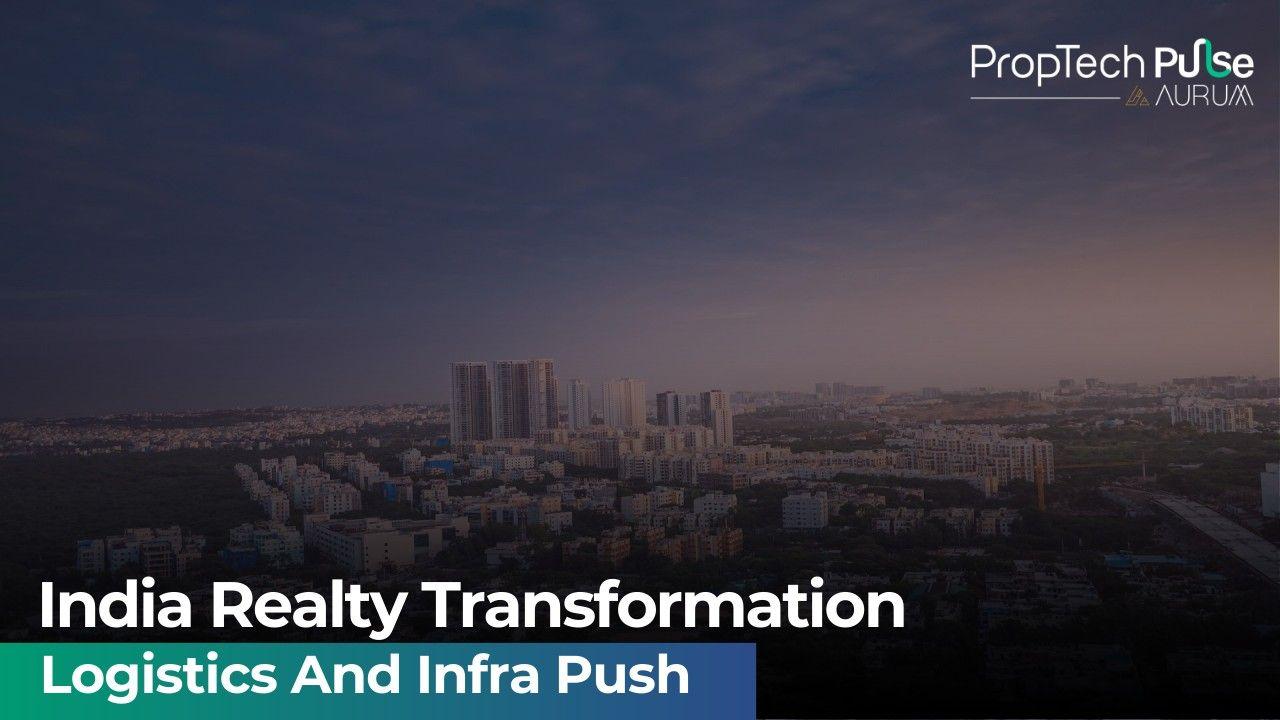
Structural Shift In India’s Real Estate Landscape
India’s real estate sector is witnessing a multi-dimensional transformation, supported by infrastructure modernisation, logistics expansion, and rising institutional participation. The evolution reflects a broader shift from fragmented development to more organised, asset-driven growth across residential, commercial, and industrial segments.
Logistics And Warehousing Expansion
One of the most visible shifts is occurring in logistics and warehousing. The rapid growth of e-commerce, manufacturing, and supply chain integration is driving demand for Grade A industrial and logistics infrastructure. Strategic corridors near ports, highways, and cargo hubs are emerging as high-absorption zones.
Infrastructure As A Growth Catalyst
Massive investments in highways, metro rail networks, airports, and multimodal transport corridors are reshaping land value dynamics. Infrastructure connectivity is unlocking peripheral markets and enabling transit-oriented real estate development across Tier 1 and Tier 2 cities.
Urbanisation And Residential Demand
Urban migration and rising income levels continue to fuel residential demand. Developers are focusing on planned communities, integrated townships, and amenity-driven projects, reflecting organised housing market consolidation.
Commercial Real Estate Resilience
Office and commercial segments are adapting to hybrid work trends while maintaining steady demand from technology firms and global capability centres. Institutional investors remain active in income-generating commercial assets, supporting market stability.
Institutional Capital And Asset Formalisation
The sector has seen growing inflows from domestic and foreign institutional investors. Structured funding, REIT participation, and long-term capital commitments highlight increasing formalisation of real estate assets in India.
Technology Integration And Digitisation
Digital platforms, data analytics, and proptech solutions are streamlining transactions and asset management. This integration supports technology-enabled operational efficiency across brokerage, leasing, and property management segments.
Policy And Regulatory Reforms
Regulatory frameworks have strengthened transparency and accountability, enhancing buyer confidence. Compliance-driven operations contribute to market maturity and risk mitigation across project lifecycles.
Regional Diversification Beyond Metros
Growth is no longer concentrated solely in metropolitan centres. Tier 2 and Tier 3 cities are emerging as investment destinations due to improved connectivity and industrial expansion, reinforcing geographically distributed real estate growth.
Outlook For Integrated Development
India’s real estate transformation is increasingly characterised by integrated ecosystems where residential, commercial, and logistics assets coexist. This model supports holistic urban economic development aligned with infrastructure expansion.
Conclusion
India’s real estate transformation reflects structural shifts driven by infrastructure, logistics, institutional capital, and technology integration. The evolving ecosystem signals long-term resilience and organised sector growth across asset classes.
Enjoyed this update? Visit PropTech Pulse for more real estate news and market insights.




Unlock the Latest in Real Estate
News, Infographics, Blogs & More! Delivered to your inbox.