New Launch - India Real Estate Report 2026.

Services
Knowledge Hub
Resources
Tools

Ask Pulse Ai
©PropTech Pulse 2025, All rights reserved.


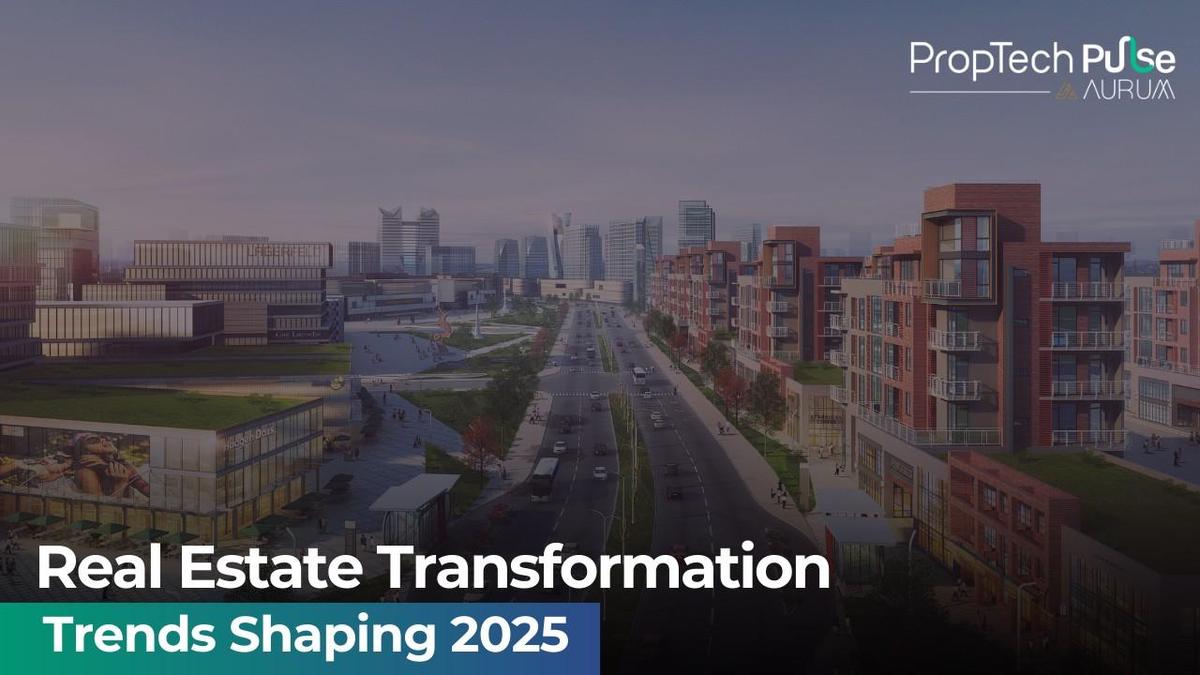
Real Estate at a Turning Point
As 2025 approaches, the real estate sector is undergoing a notable transformation, shaped by shifting consumer expectations, regulatory maturity, and rapid technological progress. Developers and investors are increasingly aligning strategies with long-term demand fundamentals rather than short-term cycles. This evolution reflects a market that is becoming more structured, resilient, and responsive to social and economic change.
Technology Redefines Built Environments
Technology has emerged as a core driver of change across residential and commercial projects. The rise of Smart buildings have enabled better energy management, security, and user convenience. From automated lighting and climate control to digital access systems, technology integration is no longer a luxury but an expectation. These advancements are improving operational efficiency while enhancing the overall user experience in real estate.
Sustainability Moves to the Forefront
Sustainability is now a central pillar of modern development rather than a niche consideration. Developers are increasingly adopting sustainable real estate practices by using eco-friendly materials, energy-efficient designs, and water conservation systems. Buyers and tenants are placing greater value on environmentally responsible projects that reduce long-term operating costs and support healthier living environments.
Affordable Housing Gains Strategic Importance
Alongside premium and mid-income developments, affordable housing has gained renewed focus. Urban migration and demographic growth continue to drive demand for accessible housing solutions. Policymakers and developers are working to address this need through improved planning, cost efficiencies, and targeted incentives. Affordable housing is increasingly viewed as both a social necessity and a long-term growth opportunity.
Urban Redevelopment Reshapes Cities
Redevelopment of ageing urban areas is playing a critical role in meeting modern housing and infrastructure requirements. urban redevelopment projects are helping optimise land use in densely populated cities while improving livability. By upgrading older neighbourhoods with better infrastructure and mixed-use developments, cities are creating balanced ecosystems that support residential, commercial, and social needs.
Developer Strategies Adapt to New Realities
Developers are increasingly focused on disciplined growth, prioritising quality, execution, and alignment with end-user preferences. Rather than launching projects in bulk, many are adopting a phased approach that responds to actual demand. This shift supports inventory control and helps maintain pricing stability across markets.
Investment Landscape Evolves
From an investment perspective, real estate is attracting interest for its ability to offer stability amid economic uncertainty. Institutional and long-term investors are favouring assets linked to strong fundamentals, including residential housing, logistics, and office spaces tied to employment hubs. The focus is shifting toward future-ready real estate assets that can adapt to changing usage patterns.
Outlook Heading into 2025
The convergence of technology, sustainability, and urban planning is expected to define the next phase of real estate growth. While challenges such as cost pressures and regulatory compliance remain, the sector’s ability to innovate and adapt positions it well for long-term expansion. Stakeholders who embrace these trends are likely to benefit from sustained demand and improved asset performance.
Conclusion
As the real estate sector moves into 2025, it is clear that transformation is no longer optional - it is essential. With smarter buildings, sustainable practices, an affordable housing focus, and urban renewal shaping development strategies, the industry is evolving toward a more resilient and future-oriented model of growth.
Enjoyed this update? Visit PropTech Pulse for more real estate news and market insights.


