New Launch - India Real Estate Report 2026.

Services
Knowledge Hub
Resources
Tools

Ask Pulse Ai
©PropTech Pulse 2025, All rights reserved.


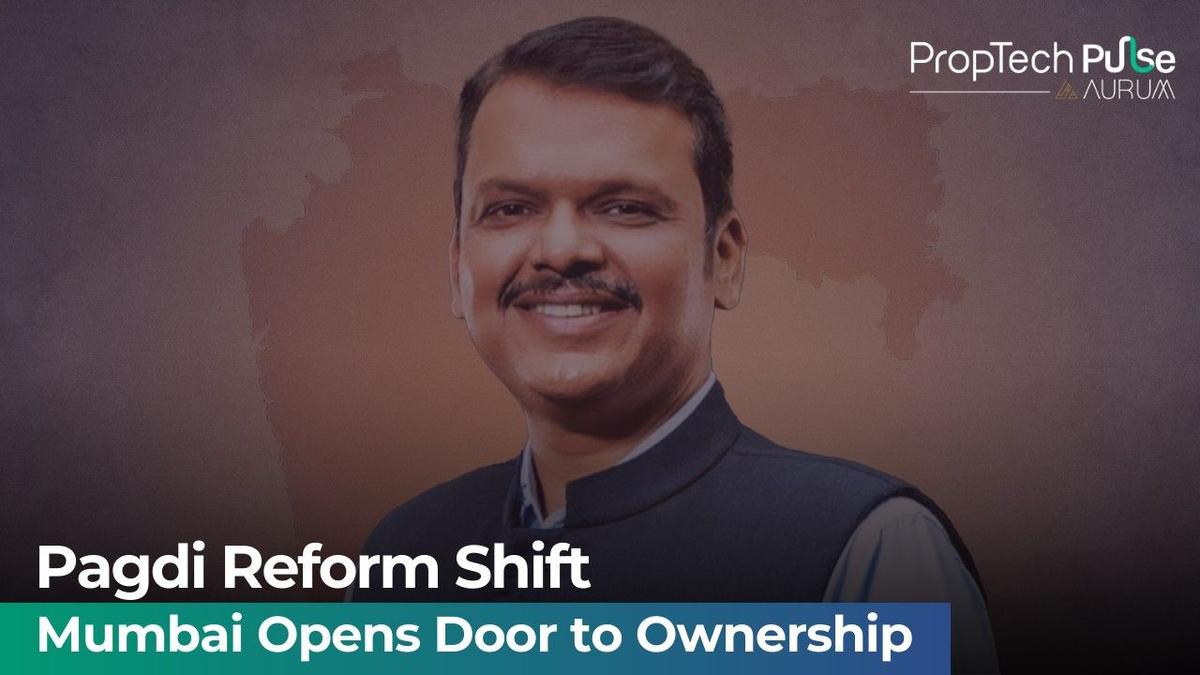
Major Policy Shift for Mumbai Housing
The Maharashtra government’s decision to abolish the longstanding Pagdi system marks a transformative moment for Mumbai’s housing sector. With the reform, eligible tenants will now have the opportunity to purchase their homes at fair market value, a move that is expected to stimulate growth and revitalize the city’s real estate ecosystem.
Understanding the Pagdi System
Traditionally, the Pagdi system allowed tenants to occupy homes at low rents indefinitely, offering security but limiting property redevelopment. Over time, the model created challenges for landlords, who struggled with maintenance, upgrades, and reinvestment due to restricted rental income and complex ownership dynamics. These issues slowed urban modernization and stalled redevelopment in older neighbourhoods.
The New Initiative
The government’s new policy is designed to streamline transactions and promote wider homeownership. By enabling tenants to purchase their units and allowing landlords better control over property decisions, the initiative encourages residential redevelopment activity across Mumbai. The shift aims to bring transparency, fairness, and viability into a segment long constrained by outdated norms.
Impact on the Real Estate Market
Analysts expect the reform to normalize rental structures and unlock vast redevelopment potential in Mumbai’s ageing housing stock. With improved regulatory clarity and higher investor confidence, the city is likely to see increased new housing project launches and broader participation from developers, homebuyers, and institutional investors.
Community Response
Early reactions from community groups and stakeholders have been largely positive. Many view the decision as a meaningful step toward modernizing housing policy, increasing supply, and creating more diverse homeownership opportunities. The overall market sentiment has turned optimistic as Mumbai prepares for a new era of residential transformation.
Enjoyed this update? Visit PropTech Pulse for more real estate news and market insights.


