
Services
Knowledge Hub
Resources
Tools
Services







©PropTech Pulse 2025, All rights reserved.

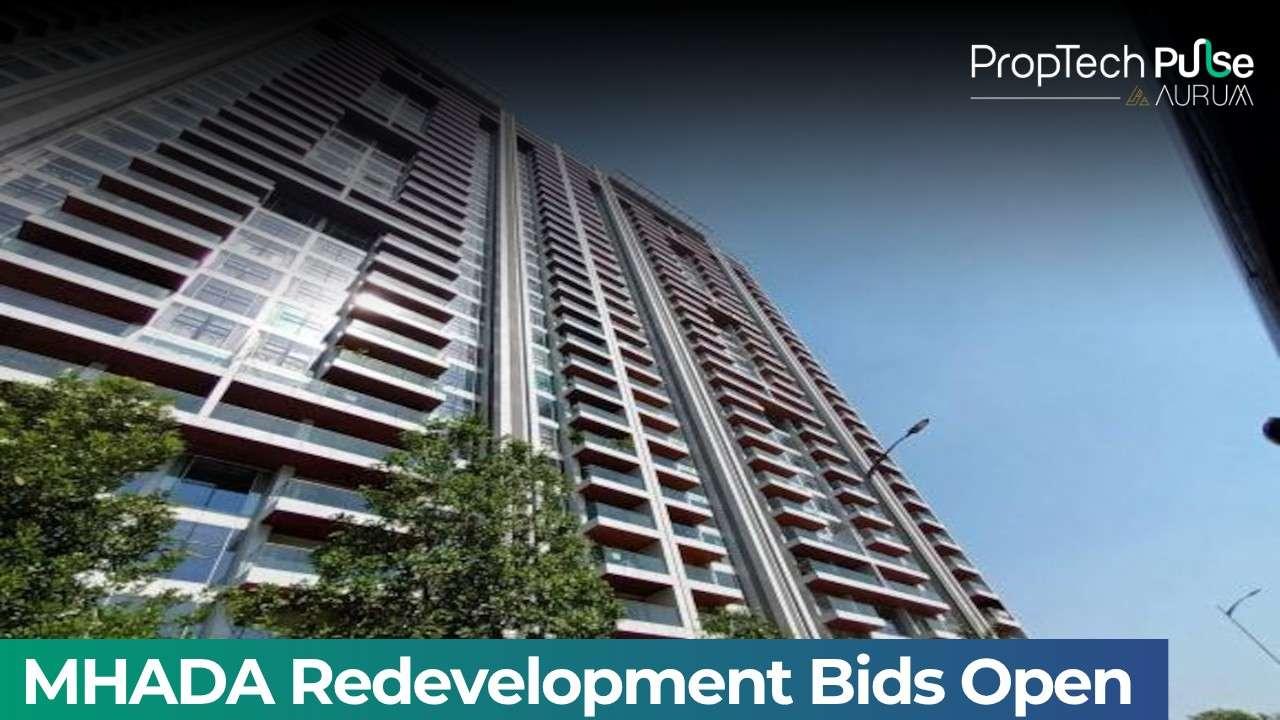
The Maharashtra Housing and Area Development Authority (MHADA) has announced an aggressive expansion of its redevelopment strategy in Mumbai. In a move to overhaul deteriorating housing stock, the authority is preparing to invite bids for approximately 480 acres of land across several prime localities in the western suburbs. This initiative, part of a broader master plan to revitalize the city's housing landscape, highlights why MHADA plans to bid out massive redevelopment projects to private developers under the Construction and Development Agreement (CDA) model, marking a significant step in Mumbai's infrastructure evolution.
Why Redevelopment is a Strategic Necessity
The primary driver behind this large-scale drive is the urgent requirement to replace ageing, low-density colonies with efficient, high-density residential hubs. With Mumbai's population density continuing to rise, the state government aims to unlock land for housing and improve the quality of life. By focusing on cluster-based layouts rather than individual buildings, MHADA is effectively transforming Mumbai's western suburbs into modern integrated townships that align with the Development Control and Promotion Regulations (DCPR) 2034. This shift ensures long-term sustainability while addressing the chronic shortage of affordable housing inventory in the financial capital.
Where the Development is Focused
The redevelopment momentum is geographically concentrated in the western suburbs, where land scarcity has historically hampered growth. The current tendering phase covers sites like Sardar Vallabhbhai Patel Nagar in Andheri, Bandra Reclamation, and Adarsh Nagar in Worli. Looking ahead, the next phase will extend the coverage to Ram Krishna Nagar in Khar, Old MHB Colony and Gorai in Borivali, and Charkop in Kandivali. These locations are driving institutional interest across prime residential property belts, making them key areas for developers seeking high-value land parcels in well-connected suburban corridors.
Importance of Cluster-Based Urban Planning
The importance of this initiative lies in its capacity to deliver holistic urban environments. Unlike fragmented redevelopment efforts of the past, these cluster projects prioritize integrated infrastructure, open green spaces, and community amenities. By consolidating land parcels, the authority is enhancing urban living standards through cluster redevelopment models that provide modern housing stock to thousands of families. This approach not only streamlines project execution but also ensures that essential utilities and road networks are upgraded in tandem with the residential buildings.
Project Timelines and Market Impact
Execution of these large-scale redevelopment projects is anticipated to occur over a five to seven-year cycle, depending on project complexity and the existing density. With the master plan already finalized, these sites are poised to add significant supply to the Mumbai market, stabilizing price volatility in the mid-income housing segment. The involvement of private agencies via the CDA model provides the necessary capital and technical expertise to complete these massive undertakings on time.
Conclusion: Setting the Stage for Mumbai 3.0
Ultimately, MHADA's decision to leverage nearly 1,000 acres in total pipeline projects serves as a testament to Mumbai’s evolving real estate maturity. By successfully attracting private capital for public renewal, the state government is laying the groundwork for a more resilient and sustainable housing ecosystem. As these tenders proceed throughout 2026, the western suburbs are set to undergo a fundamental shift, reinforcing their status as the city's primary engine for residential growth and modernization.
Enjoyed this update? Visit PropTech Pulse for more real estate news and market insights.




Unlock the Latest in Real Estate
News, Infographics, Blogs & More! Delivered to your inbox.