
Ask Pulse Ai
Services
Knowledge Hub
Resources
Tools
Ask Pulse Ai
Services







©PropTech Pulse 2025, All rights reserved.

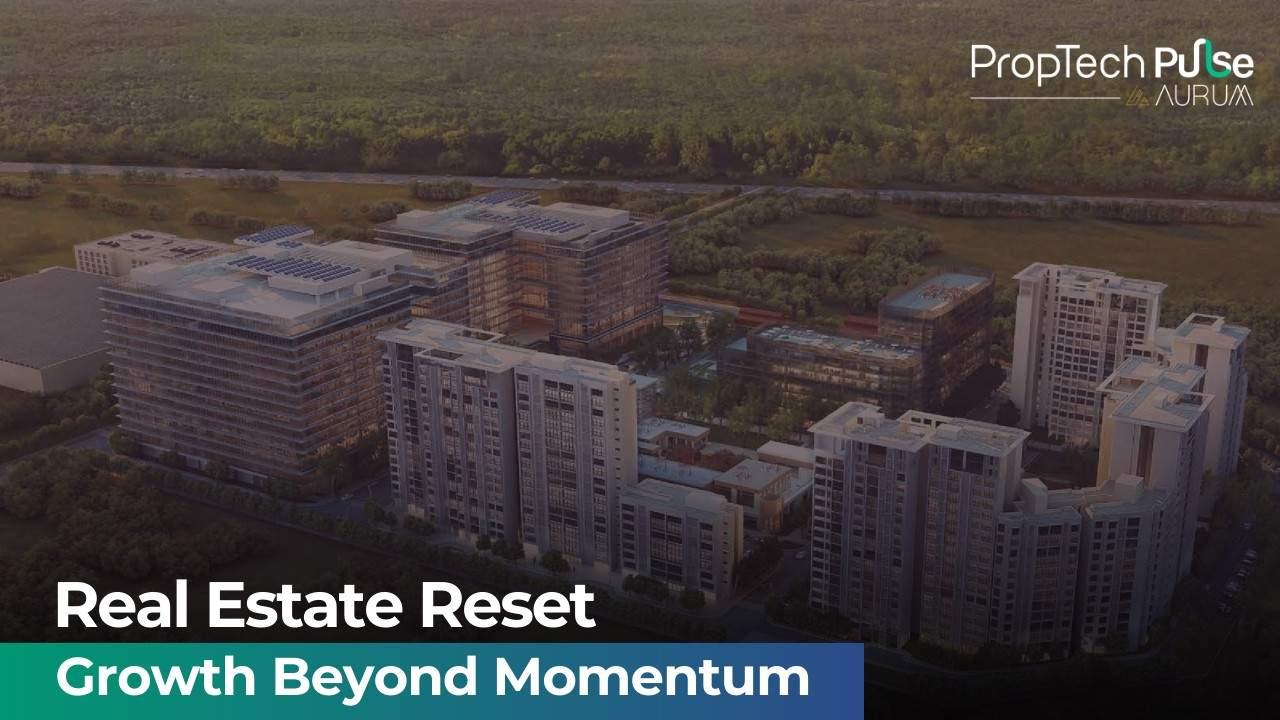
India’s Real Estate Enters a New Growth Phase
The Indian real estate market is approaching a defining inflection point. As the sector moves beyond 2026, growth is expected to transition from short-term momentum to meaningful, long-term expansion. This evolution is being shaped by three interlinked forcespolicy reforms, capital inflows, and changing consumer behaviour; that together are redefining how real estate is developed, financed, and consumed across the country.
Policy Reforms: Building Structural Confidence
Regulatory reform has been one of the most critical enablers of stability in Indian real estate. Frameworks such as RERA compliance have improved transparency, accountability, and project delivery timelines. By protecting buyer interests and enforcing discipline among developers, policy intervention has reduced systemic risk and restored trust in residential and commercial markets.
Beyond regulation, urban development policies, digitisation of land records, and faster approval mechanisms are laying the foundation for a more predictable and investor-friendly ecosystem. These reforms are not only encouraging end-user demand but are also attracting long-term institutional capital into the sector.
Capital Inflows: Powering Scale and Innovation
Capital availability is emerging as a strong growth catalyst. Increased participation from foreign investors, private equity funds, and the expansion of REIT structures have diversified funding sources for developers. This capital depth is enabling large-scale, master-planned developments that were previously difficult to execute.
Importantly, funding is increasingly being channelled into sustainable real estate, mixed-use projects, and technology-enabled assets such as data centres and logistics parks. The focus is shifting from speculative development to projects that deliver stable cash flows, long-term value, and resilience across market cycles.
Consumer Behaviour: From Ownership to Value
Homebuyers and occupiers today are far more informed than in previous cycles. Digital platforms, data transparency, and PropTech tools have empowered consumers to evaluate projects based on lifecycle value rather than just price. Demand is increasingly tilted toward homes that offer sustainability, connectivity, and integrated amenities.
Preferences are also evolving in favour of eco-friendly housing, smart-home features, and community-centric developments. For developers, aligning product offerings with these expectations is becoming essential to remain competitive in a value-driven market.
Technology as a Growth Multiplier
Technology is emerging as a key enabler across the real estate value chain. From digital sales platforms and AI-led demand analysis to smart building management systems, PropTech adoption is improving efficiency, reducing costs, and enhancing user experience. These advancements are helping developers optimise assets while offering buyers greater confidence and convenience.
What This Means for the Sector
The convergence of regulatory stability, capital availability, and mature consumer demand signals a shift toward a more balanced and sustainable real estate cycle. Growth post-2026 is expected to be driven less by speculation and more by fundamentals-led development, favouring quality assets, credible developers, and long-term investment strategies.
Conclusion
India’s real estate sector is no longer operating in isolation. It is becoming deeply integrated with financial markets, technology ecosystems, and urban planning frameworks. As policy, capital, and consumer expectations align, the industry is poised for a phase of durable and inclusive growth. For stakeholders, success in the coming years will depend on adaptability, innovation, and a clear focus on long-term value creation.
Enjoyed this update? Visit PropTech Pulse for more real estate news and market insights.




Unlock the Latest in Real Estate
News, Infographics, Blogs & More! Delivered to your inbox.