New Launch - India Real Estate Report 2026.

Services
Knowledge Hub
Resources
Tools

Ask Pulse Ai
©PropTech Pulse 2025, All rights reserved.


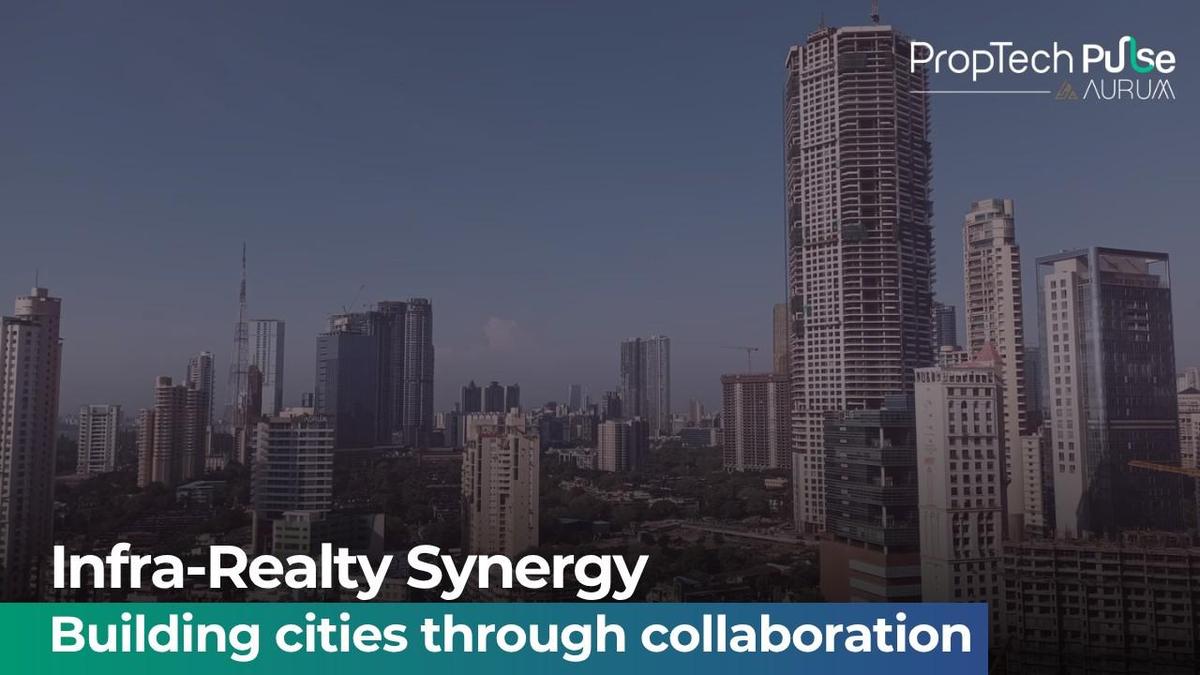
Understanding the Real Estate Infrastructure Dynamics
In today's rapidly evolving urban landscape, the real estate sector is inextricably linked to infrastructural developments. The nexus between real estate and infrastructure not only shapes our cities but also influences economic growth, employment, and quality of life. City planners and developers must collaborate seamlessly to ensure that new infrastructure meets the demands of expanding populations.
Why Infrastructure Matters
Infrastructure serves as the backbone of real estate. Roads, bridges, utilities, and public transport systems greatly enhance property values and determine where businesses wish to establish themselves. Without robust infrastructure, real estate projects risk being underutilized or failing altogether.
Challenges in Urban Planning
Despite the clear benefits, there are significant challenges in aligning real estate projects with infrastructure development. Planning delays, budget constraints, and regulatory hurdles often complicate the process, leading to disjointed urban growth.
Creating Sustainable Solutions
The future of our cities depends on sustainable and integrated approaches to real estate and infrastructure. Collaborative initiatives between the private sector and government bodies can lead to innovative solutions that benefit all stakeholders involved.
Conclusion: The Path Forward
As urbanization accelerates, the dialogue between real estate and infrastructure must continue to evolve. Stakeholders from both sectors must unite to create thoughtfully designed spaces that not only meet current needs but also anticipate future demands. A well-coordinated strategy will not only enhance city living but also boost economic prosperity.
Enjoyed this update? Visit PropTech Pulse for more real estate news and market insights.


