
Ask Pulse Ai
Services
Knowledge Hub
Resources
Tools
Ask Pulse Ai
Services







©PropTech Pulse 2025, All rights reserved.

Confidence Builds Across the Real Estate Market
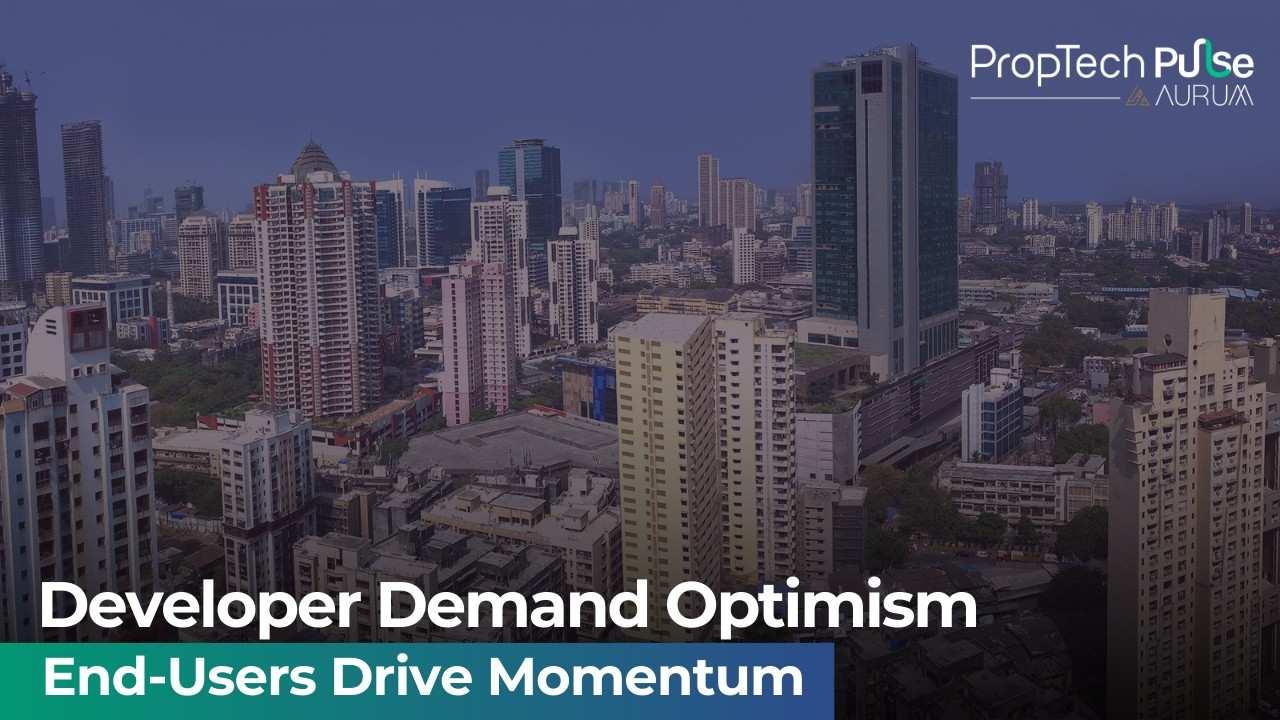
As the real estate sector looks ahead to 2026, developer sentiment remains distinctly positive, largely anchored in sustained end-user demand. After a period marked by cautious recovery, developers now report improved buyer confidence, healthier sales pipelines, and stronger on-ground enquiries across key residential markets. This optimism reflects a structural shift toward genuine homebuyer-led demand rather than speculative activity.
End-User Demand Takes Centre Stage
A notable trend shaping the market is the growing dominance of end-users - buyers purchasing homes for self-occupation rather than short-term investment. Stable employment conditions, improved income visibility, and lifestyle-led housing preferences have encouraged households to move from renting to owning. Developers note that this shift has resulted in more decisive buying behaviour and improved conversion rates.
Key Demand Drivers Supporting Growth
Several interconnected factors are reinforcing buyer interest and sustaining market momentum. Developers are closely tracking these indicators to align supply with evolving preferences and maintain pricing discipline.
- Urban Migration: Continued movement toward cities for employment and education.
- Household Formation: Nuclear families driving demand for independent housing.
- Policy Support: Government initiatives supporting housing access and infrastructure growth.
Developer Strategies Adapt to Buyer Preferences
Developers are increasingly recalibrating project offerings to match end-user expectations. Emphasis is being placed on project quality, timely delivery, and functional layouts rather than aggressive expansion. Amenities such as open spaces, community facilities, and energy-efficient features are becoming standard as buyers prioritise long-term livability. This alignment has helped build trust and strengthen buyer confidence.
Pricing Projections and Market Stability
With demand remaining resilient and inventory levels under control in many markets, developers expect gradual price appreciation through 2026. Rather than sharp spikes, pricing growth is projected to remain steady and sustainable, supported by rising construction costs and improving project feasibility. This measured approach reduces volatility and supports long-term market stability.
Sales Momentum and Absorption Trends
Improved sales velocity across major urban centres has reinforced developer confidence. Faster absorption rates have encouraged selective new launches, particularly in mid-income and premium segments. Developers are increasingly cautious about over-supplying the market, focusing instead on demand-driven releases to maintain healthy inventory cycles.
Investor Sentiment and End-User Balance
While end-users dominate current demand, investor interest has not disappeared. However, investors are more selective, favouring projects with strong end-user appeal and long-term rental potential. This balance between investors and homebuyers contributes to a more mature and stable real estate environment.
Outlook Heading into 2026
Looking ahead, developers remain confident that end-user-led demand will continue to anchor market growth. Economic stability, infrastructure-led urban expansion, and evolving housing preferences are expected to support consistent sales performance. While challenges such as cost pressures and regulatory compliance persist, the overall outlook remains constructive.
Conclusion
As 2026 approaches, the real estate sector is entering a phase defined by confidence, discipline, and end-user-driven growth. Developers’ optimism reflects stronger fundamentals rather than speculative excess, suggesting that the market is moving toward a more sustainable and resilient growth trajectory.
Enjoyed this update? Visit PropTech Pulse for more real estate news and market insights.




Unlock the Latest in Real Estate
News, Infographics, Blogs & More! Delivered to your inbox.