New Launch - India Real Estate Report 2026.

Services
Knowledge Hub
Resources
Tools

Ask Pulse Ai
Services
FOR BUYERS & RENTERS
FOR REAL ESTATE DEVELOPERS








Refer other Connectors &
Multiply IncomeRefer other Connectors
& Multiply Income
Refer KuberX & earn
commission on every
loan they get
disbursed.


Scan & Download
©PropTech Pulse 2025, All rights reserved.


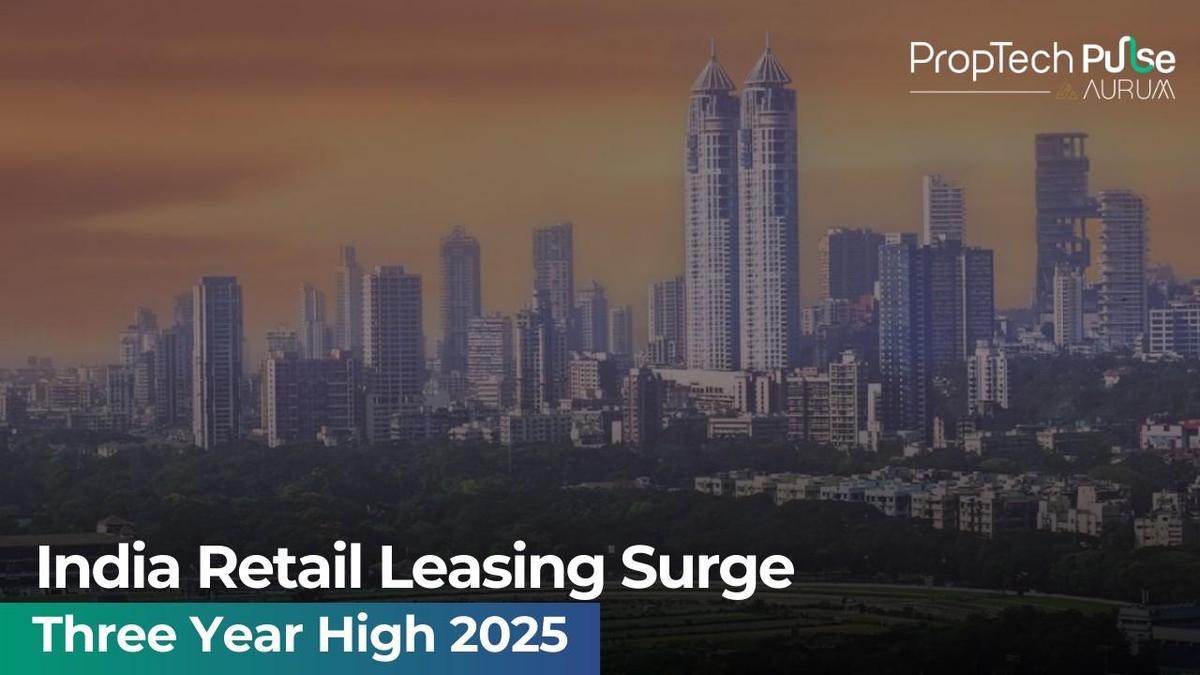
Retail Leasing Performance in 2025
India’s retail real estate market recorded its highest leasing levels in three years during 2025, according to the article. The growth was driven by rising retailer confidence, expansion by domestic and international brands, and improving consumer footfall across organised retail formats. Leasing momentum reflected a recovery that has moved beyond post-pandemic normalization into steady expansion.
Key Drivers of Retail Demand
Strong consumption trends, urbanisation, and rising discretionary spending supported retail leasing growth. Retailers focused on expanding physical presence to complement online channels, reinforcing the importance of brick-and-mortar stores in customer engagement. The article highlights omnichannel strategies as a key driver behind renewed space absorption.
Mall and High Street Activity
Both malls and high streets contributed to leasing momentum. Grade A malls in established urban centres witnessed healthy occupancy levels, while prime high streets attracted demand from food and beverage brands, fashion retailers, and lifestyle categories. High-quality retail assets with strong catchments benefited from stable tenant demand.
City Wise Leasing Trends
Major metropolitan markets such as Delhi NCR, Mumbai, Bengaluru, Hyderabad, and Chennai accounted for a large share of leasing activity. Tier two cities also saw rising interest as retailers explored new growth markets. This geographic diversification reflects broader confidence in India’s consumer-led growth.
Role of International and Domestic Brands
The article notes increased participation from both global and domestic retailers. International brands expanded selectively in top cities, while Indian retailers continued aggressive rollouts across malls and high streets. This mix contributed to balanced demand across categories rather than reliance on a single retail segment.
Supply Pipeline and New Developments
New mall completions and the redevelopment of existing assets added quality retail supply to the market. Developers focused on experiential retail formats, integrating entertainment, dining, and community spaces to drive footfall. Such assets are increasingly designed to support longer dwell times and repeat visits.
Rental Trends and Occupier Sentiment
Rental values in prime locations remained stable, with selective upward movement in high-demand micro markets. Occupiers demonstrated greater willingness to commit to long-term leases in proven locations, indicating confidence in store-level profitability and demand sustainability.
Implications for Retail Real Estate Investors
The three-year high in leasing activity has strengthened investor confidence in retail real estate. Well-performing malls and high street assets continue to attract institutional interest due to predictable cash flows and improving occupancy. The sector’s recovery has reinforced retail as a core commercial asset class.
Conclusion
India’s retail real estate market, reaching a three-year leasing high in 2025, reflects a structurally improving outlook. Supported by consumption growth, retailer expansion, and quality supply additions, retail leasing is emerging as a key pillar of commercial real estate performance in the country.
Enjoyed this update? Visit PropTech Pulse for more real estate news and market insights.


