New Launch - India Real Estate Report 2026.

Services
Knowledge Hub
Resources
Tools

Ask Pulse Ai
©PropTech Pulse 2025, All rights reserved.


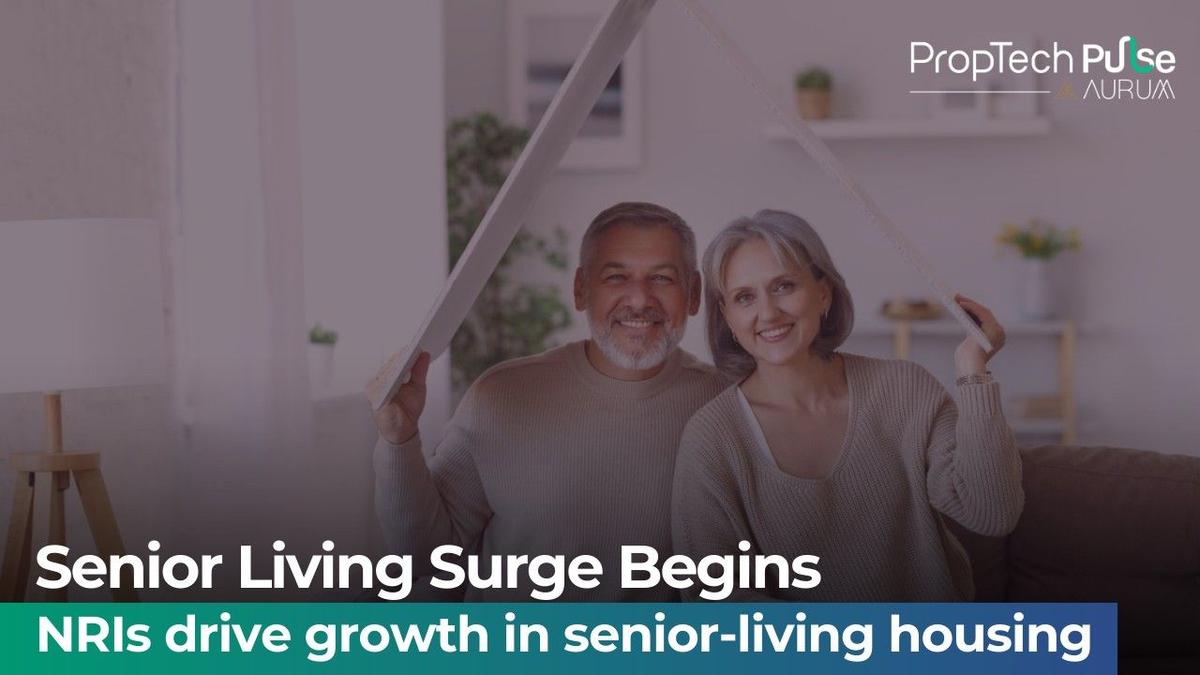
India’s senior-living housing sector gains momentum as NRI demand rises
The organised senior-living housing segment in India is witnessing a surge as demand from Non-Resident Indians (NRIs) becomes increasingly visible, especially across southern and northern hubs such as Kerala, Bengaluru, Hyderabad and Delhi-NCR. Developers and operators note growing interest from expatriate households seeking organised, service-oriented retirement homes for ageing parents.
🇮🇳 Demographic trends and market potential
The broader demographic backdrop adds urgency and promise to the trend: India’s elderly population (age 60 and above) is projected to grow substantially over the next decades, driving demand for purpose-built senior living communities. As family structures evolve and nuclear households become more common, many retirees are seeking independent living with structured care, community living, and amenities.
Industry estimates suggest the organised senior-living sector is still at a nascent stage - accounting for only a small fraction of potential demand - but is expected to expand rapidly over the coming years. Forecasts indicate that by 2030 the sector could grow multiple-fold in value and scale, as developers ramp up supply to meet rising demand.
NRI interest shaping new real-estate behaviour
According to industry voices, NRIs - especially those with ageing parents back in India - often value the benefits of structured senior-living setups: safety, access to healthcare, community living, and lifestyle support. For these buyers, senior living is viewed not as a fallback but as a conscious choice ensuring dignity, independence and comfort for elder family members. This trend is reflected in rising enquiries and investments from expatriate communities across major Indian metros and retirement-friendly states.
Supply gap and development plans
Despite growing interest, the supply of organised senior-living units remains limited compared to potential demand. Recent real-estate market reports project that several thousand additional senior-living homes will be required by 2030 to bridge this gap. With favourable demographics, rising disposable incomes among retirees, and increasing awareness, many real-estate developers are now foraying into this segment - expanding supply in both metro and non-metro regions.
What to watch out for
While the growth trajectory appears promising, the sector still faces challenges. Market penetration is low today; many senior-living projects are at planning or early execution stages. The success of this shift depends on execution quality, inclusion of appropriate amenities (healthcare, security, accessibility), credible operators, and social acceptance of independent senior living. For NRIs, making informed choices - verifying facilities, services, and long-term viability - remains crucial before investing in senior-living homes.
What this means for real estate and NRIs
As India swings toward a “silver economy,” senior-living housing could emerge as one of the most significant real-estate sub-segments of the next decade. For developers, it offers a fresh avenue beyond conventional housing; for NRIs and retirees, it promises dignified living backed by community, care, and convenience. The rising interest from expatriates signals a cultural shift: retirement homes are no longer seen as last-resort shelters but as considered choices for comfort and well-being.
Enjoyed this update? Visit PropTech Pulse for more real estate news and market insights.


