New Launch - India Real Estate Report 2026.

Services
Knowledge Hub
Resources
Tools

Ask Pulse Ai
©PropTech Pulse 2025, All rights reserved.


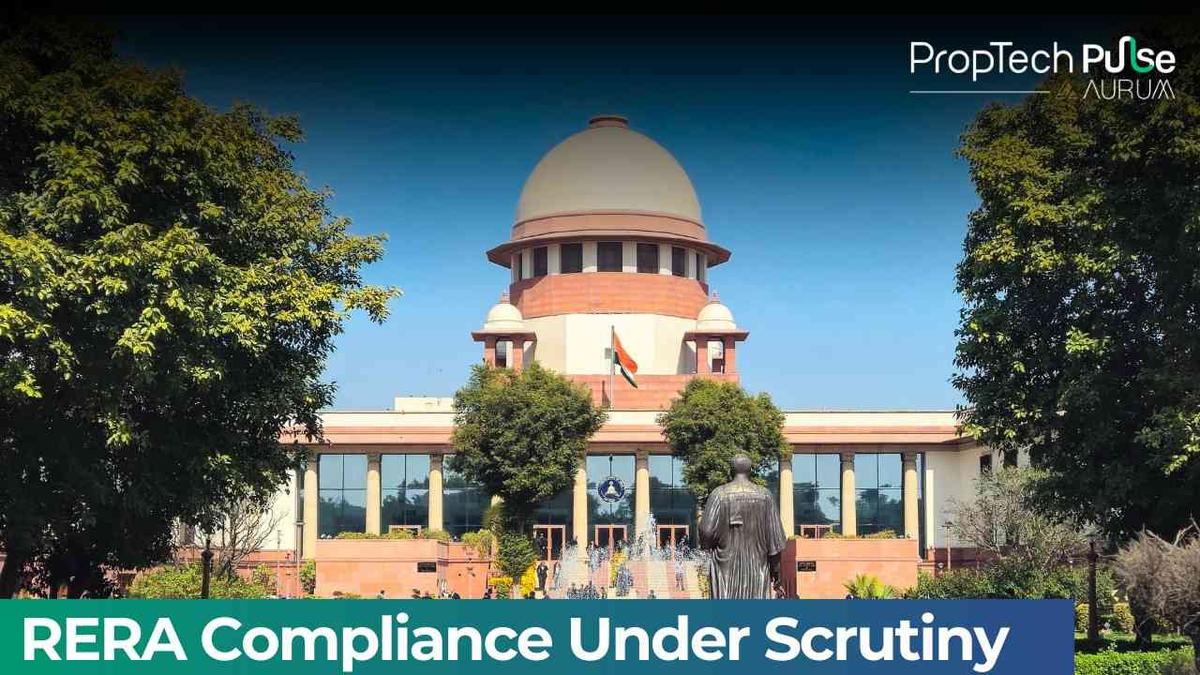
Supreme Court Examines RERA Implementation
The Supreme Court of India has raised concerns regarding the implementation of the Real Estate (Regulation and Development) Act (RERA), highlighting gaps in enforcement across various states. The observations came during proceedings that examined how effectively the law is being applied on the ground.
RERA was introduced to bring transparency, accountability, and efficiency to India’s real estate sector, but the court’s remarks suggest that its execution has been uneven across different regions.
Inconsistencies Across States
The Supreme Court noted that several states have not fully implemented the provisions of RERA as intended. Differences in regulatory frameworks, delays in setting up authorities, and a lack of uniformity in rules have created inconsistencies in how the law operates across the country.
In some cases, states have diluted certain provisions of the Act, which could weaken its effectiveness in protecting homebuyers and ensuring developer accountability.
Challenges in Enforcement
One of the key issues identified is the lack of strong enforcement mechanisms. Without consistent monitoring and strict implementation, the objectives of RERA, such as timely project delivery and transparency, may not be fully achieved.
The court emphasised the need for states to align their rules with the central legislation to maintain the integrity of the regulatory framework.
Market Impact: Implications for Homebuyers and Developers
Weak implementation of RERA can affect both homebuyers and developers. For buyers, gaps in regulation may reduce the level of protection intended under the law. For developers, inconsistent rules across states can create uncertainty and operational challenges.
A stronger and more uniform implementation of RERA is expected to improve trust in the real estate market and support long-term sector growth.
Strategic Implication: Need for Uniform Regulatory Standards
The Supreme Court’s observations highlight the importance of maintaining uniform standards in real estate regulation across the country. Ensuring that all states follow the core principles of RERA can help create a more transparent and predictable regulatory environment.
Regulatory consistency is essential for attracting investment, protecting consumer interests, and promoting sustainable development in the real estate sector.
Conclusion: Strengthening RERA for Future Growth
The spotlight on RERA’s weak links underscores the need for improved implementation and oversight. Addressing these gaps can enhance the effectiveness of the law and strengthen confidence in India’s real estate market.
As authorities work toward improving compliance, RERA is expected to remain a central pillar in regulating the sector and ensuring accountability.
Enjoyed this update? Visit PropTech Pulse for more real estate news and market insights.


