
Ask Pulse Ai
Services
Knowledge Hub
Resources
Tools
Ask Pulse Ai
Services







©PropTech Pulse 2025, All rights reserved.

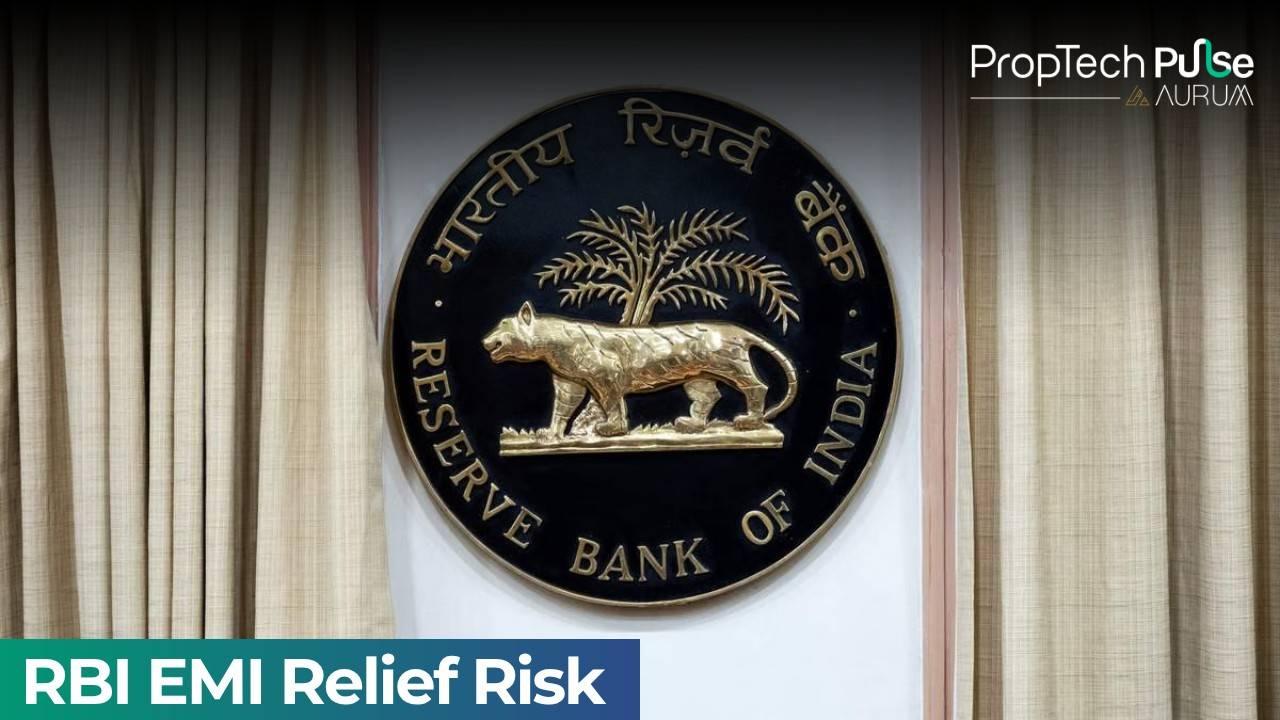
EMI Relief Linked to RBI’s Rate Pause
The Reserve Bank of India’s (RBI) decision to hold the repo rate is expected to provide short-term stability in home loan EMIs, particularly for borrowers on floating-rate loans. With no immediate change in benchmark rates, lending rates are likely to remain steady in the near term.
Immediate Impact: Stability, Not Reduction
For most borrowers, the pause does not automatically translate into lower EMIs but ensures that existing repayment obligations do not increase. This creates a temporary window of predictability, allowing households to plan finances without the pressure of rising monthly outflows.
In some cases, banks may still adjust lending rates marginally based on liquidity conditions, but the primary effect remains stability rather than direct relief.
The Underlying Risk: Inflation Pressure
The pause in rates comes against a backdrop of persistent inflation concerns. If inflation remains elevated or begins to rise again, the RBI may be compelled to tighten monetary policy in the future, which would directly impact borrowing costs.
This creates a situation where current stability could be followed by upward rate adjustments, increasing EMIs or extending loan tenures for borrowers.
What Borrowers Should Watch
Borrowers need to look beyond immediate EMI stability and monitor broader economic indicators, particularly inflation trends. Since floating-rate loans are sensitive to policy changes, any future rate hike would quickly reflect in repayment structures.
Maintaining financial buffers or making partial prepayments during stable periods can help mitigate potential future increases.
Conclusion
While the RBI’s rate pause provides short-term comfort to home loan borrowers, it does not eliminate future risks. The trajectory of inflation will play a decisive role in determining whether EMIs remain stable or move upward in the coming months, making this phase one of cautious optimism rather than sustained relief.
Enjoyed this update? Visit PropTech Pulse for more real estate news and market insights.





Unlock the Latest in Real Estate
News, Infographics, Blogs & More! Delivered to your inbox.