
Ask Pulse Ai
Services
Knowledge Hub
Resources
Tools
Ask Pulse Ai
Services







©PropTech Pulse 2025, All rights reserved.

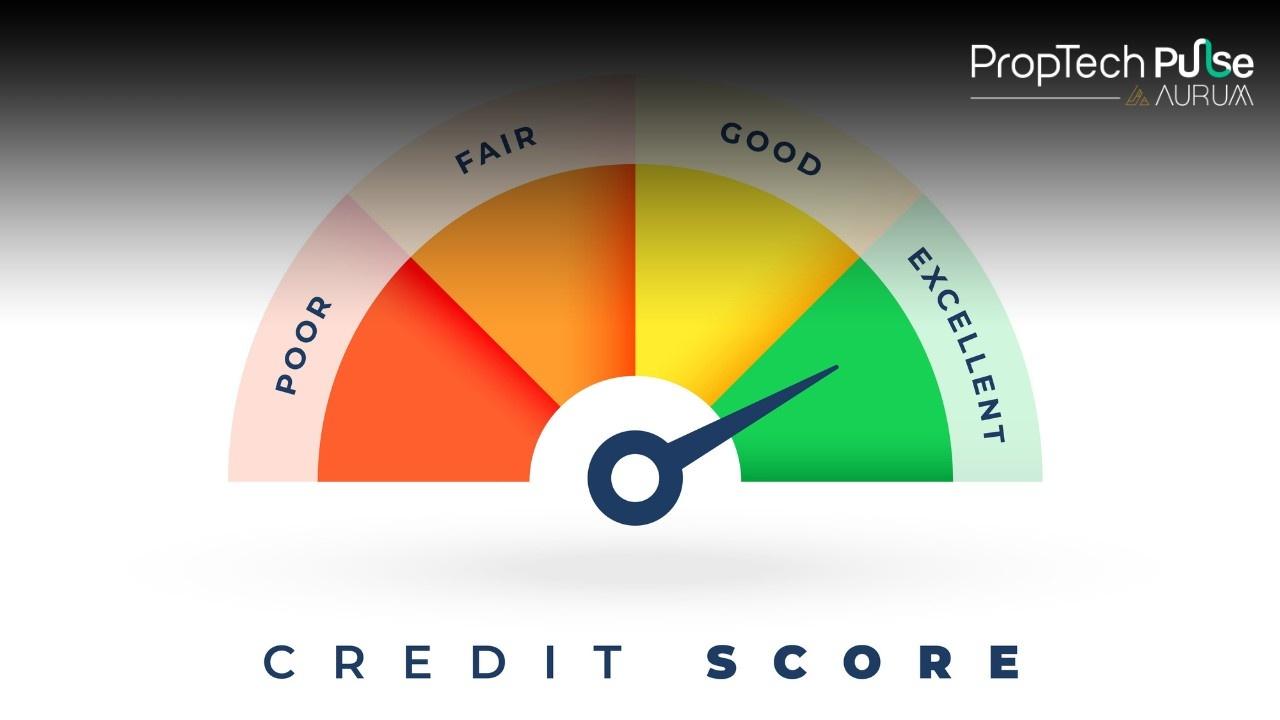
Credit Score As Primary Risk Indicator
When evaluating home loan applications, lenders increasingly rely on credit score as a core underwriting metric. A borrower’s credit score reflects repayment history, outstanding debt levels, credit utilisation patterns, and financial discipline over time. Unlike salary, which indicates earning capacity, the credit score provides measurable insight into repayment behaviour and credit risk exposure.
Why Salary Alone Is Not Sufficient
While income determines loan eligibility limits and EMI affordability, lenders assess the probability of default separately. Even high-income applicants may face scrutiny if their credit history shows missed payments or excessive leverage. This reinforces the importance of creditworthiness assessment beyond income levels in mortgage approvals.
Impact On Loan Interest Rates
A credit score not only influences approval but also pricing. Borrowers with stronger credit profiles often qualify for preferential home loan interest rates, whereas lower scores may attract higher rates or stricter terms, directly affecting total repayment outgo.
Role Of Credit Utilisation And History
Factors such as credit card usage ratio, repayment consistency, and length of credit history contribute significantly to the overall score. Maintaining low credit utilisation and timely repayments improves eligibility prospects and strengthens negotiation power with lenders.
Debt To Income Ratio Consideration
In addition to a credit score, lenders evaluate existing liabilities through the debt-to-income ratio. However, even a manageable ratio may not offset a weak credit history, highlighting the weight assigned to historical repayment discipline in underwriting decisions.
Documentation And Verification
Applicants are required to provide income proof, employment records, and credit reports during the loan process. Financial institutions use this information to conduct comprehensive credit risk evaluation before sanctioning large ticket mortgages.
Implications For First Time Buyers
For first-time homebuyers, building a healthy credit profile before applying can significantly improve approval chances. Establishing a track record through small credit products supports stronger mortgage eligibility positioning in competitive lending environments.
Long Term Financial Planning
Monitoring credit reports, correcting discrepancies, and avoiding delayed payments are essential practices. A consistent credit profile ensures better access to future credit opportunities, including refinancing or balance transfer options.
Conclusion
In mortgage underwriting, a credit score serves as a quantifiable measure of repayment reliability, often carrying more weight than income alone. Strengthening one’s credit profile is therefore critical for successful home loan approval and optimal interest pricing.
Enjoyed this update? Visit PropTech Pulse for more real estate news and market insights.




Ask Pulse Ai anything about real estate

Unlock the Latest in Real Estate
News, Infographics, Blogs & More! Delivered to your inbox.