






A Development Plan (DP) in real estate is a statutory land use and infrastructure planning document prepared by a local municipal authority or urban development body that regulates how land within a city or urban area can be developed over a specified planning period. It is the legal instrument that gives effect to a city's master plan at the local level.
The Development Plan is the legal backbone of all real estate activity in an urban area. Whether you are a developer seeking permissions, an investor evaluating land, or a homebuyer assessing a locality's future, the DP is the definitive reference point for understanding what is permissible, protected, and planned.

Digital Transformation
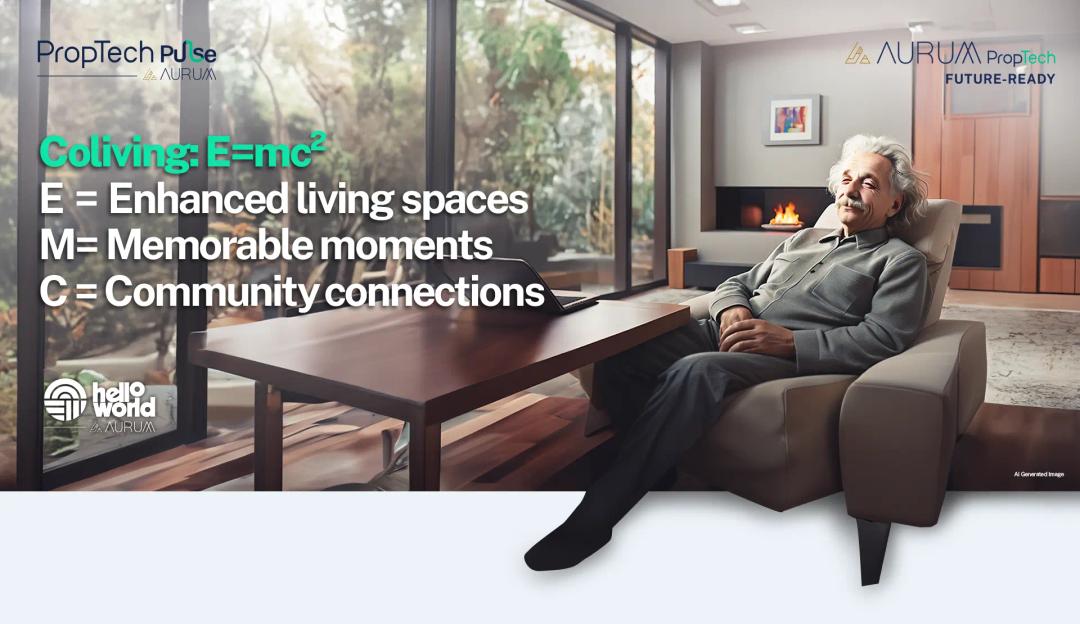
Dear Young Albert, I hope this letter finds you well, filled with the same curiosity and wonder that has always driven you. As I reflect on the world today, I can't help but think about how much has changed since my time, especially in the realm of communal living which might seem quite intriguing to you. You see, much like the principles of relativity that I delved into in my time, co-living operates on the idea of interconnectedness. Just as I discovered that the laws of physics are the same for all observers, regardless of their relative motion, co-living emphasizes the equality and inclusivity of all residents. Regardless of background or circumstance, everyone contributes to and benefits from the community space. These co-living spaces foster a sense of belonging and support that is invaluable, especially in today's fast-paced world. Just as I contemplated the effects of gravity on the motion of celestial bodies, consider the "community gravity" within a co-living space — the connections and relationships that draw residents together, enriching their lives in ways they never thought possible. Moreover, in these co-living spaces, one finds a beautiful confluence of diversity. Each resident brings their own unique perspective, skills, and passions to the table. Just as I theorized that the curvature of spacetime depends on the distribution of mass and energy, the social "space" within a co-living community is shaped by the collective presence of its members. This diversity creates an environment ripe for collaboration, innovation, and personal growth. Young Albert, Technology has altered Co-living manifold enabling students and young professionals discover, access and live in shared spaces at a touch of their fingertips. We individuals, each with their unique stories, come together to create a community unlike any other. It's not just about sharing physical space; it's about sharing ideas, dreams, and aspirations. So, my dear young Albert, as I continue to explore the wonders of the universe co-living has given me an opportunity to connect with likeminded others, to learn from them, and to grow together. Remember that just as the universe is vast and ever-expanding, so too are the opportunities for meaningful connections and shared experiences in the world around you. With warm regards, Your Future Self
15th March 2024

Interior Design Service
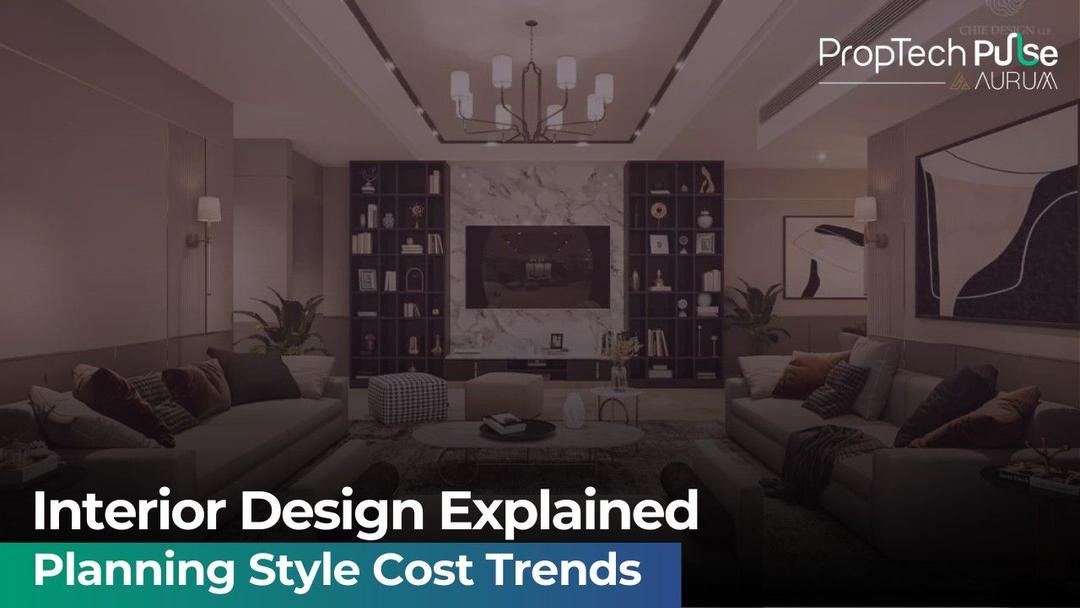
What Is Interior Design? A Complete Guide for 2025 What Is Interior Design? A Complete Guide for 2025 Excerpt: From defining what interior design really means to estimating costs and exploring trending styles, this guide answers your biggest questions. What Is It All About? Interior design is not just pretty décor. It’s the art and science of organizing, beautifying, and structuring interiors so they serve your lifestyle. Every decision - wall colours, lighting, furniture layout - impacts how you live, move, and feel in your space. In India’s evolving urban settings, with compact homes and shared living, interior design becomes an essential tool to reconcile tradition with modern living - from Vastu principles to minimal aesthetics. Who Is an Interior Designer? An interior designer is more than a decorator. They combine creative vision with technical expertise: They’re trained in design or architecture They understand structural constraints, building codes, and spatial planning They coordinate with contractors, suppliers, and artisans They translate client needs into functional, beautiful spaces Unlike enthusiastic friends with “good taste,” professional designers deliver holistic solutions, manage timelines, and anticipate problems you might not see. Popular Interior Design Styles in Indian Homes Here are some of the leading styles Indians are embracing - along with tips for making them work in your space: Style Key Characteristics Styling Tips Indian Traditional Bold colours, woodwork, artisanal crafts Use carved furniture, rich hues, folk art Minimalism Clean lines, minimal clutter, neutral palette Hide storage, use accent colours sparingly Contemporary Light-filled, neutral base with texture & accents Combine materials like stone, metal, wood Bohemian Eclectic pattern mix, low seating, layered textiles Layer cultures & textures, lean into boldness Scandinavian Bright, functional, lightweight Use natural materials, focus on light Mid-Century Modern Organic forms, functional designs, iconic pieces Mix wood (teak, oak) and metal thoughtfully Transitional Balanced blend of classic + modern Use clean lines and subtle decorative details Eclectic Mix of styles with a common thread Let collected items shine, emphasize cohesion Art Deco Geometric patterns, luxury materials, bold statements Use arches, sunbursts, rich textures Industrial Exposed materials, raw finishes, neutral palette Use brick, steel beams, unfinished walls How Much Does Interior Design Cost in India in 2025? Interior design cost in India depends on your city, home size, scope of work, and material choices. Generally, a full interior project can range between ₹6,00,000 to ₹30,00,000+, depending on scale and customization. These figures are indicative; always seek a custom quote. Should You Hire an Interior Designer? Avoid costly mistakes through professional expertise Save time and stress with managed execution Ensure quality, consistency, and accountability If your renovation is extensive, hiring a designer often leads to better results and fewer regrets. Livspace’s Design Process (Overview) Consultation & briefing Site survey & measurement Conceptual designs & renders Material selection & approvals Execution, supervision & quality checks Final handover & walkthrough How to Prepare for Your First Meeting with a Designer Bring your floor plan and room dimensions Create a scope document Share your budget range Communicate style preferences and inspirations Interior Design vs Interior Decoration Interior Design: Structural and functional planning including space planning, lighting, and layout. Interior Decoration: Visual styling such as furniture, fabrics, and surface finishes. In simple terms, designers build the bones while decorators dress the body. The 7 Elements of Interior Design Space – Filled and empty areas Line – Horizontal, vertical, and dynamic lines Form – Three-dimensional shapes Light – Natural and artificial lighting Colour – Hue, contrast, and saturation Pattern – Rhythm and repetition Texture – Surface feel of materials The 5 Key Concepts of Interior Design Balance – Symmetrical or asymmetrical equilibrium Harmony – Visual unity Focal Point – A standout design element Rhythm – Visual movement Scale and Proportion – Proper sizing of elements The Golden Rules of Interior Design 60-30-10 colour rule Form follows function Budget-Friendly Design Ideas for Indian Homes Fresh paint or accent walls Indoor plants and creative lighting Repurposed furniture and décor Invest in durable, high-impact pieces Blending Vastu Shastra and Modern Design Orient entrances toward north or east Place kitchens in the southeast Use natural materials and daylight Avoid mirrors facing beds Interior Design Trends in India for 2025 Biophilic design Earthy colour palettes Smart home integration Curved furniture forms Bold patterns and maximalism Flexible home offices Vintage and modern combinations How Livspace Helps You Realize Your Dream Home Curated designs and 3D visualizations Experience across 75,000+ home projects Access to premium materials Structured process for timelines and quality
7th January 2026

Digital Transformation
Dear Young Albert, I hope this letter finds you well, filled with the same curiosity and wonder that has always driven you. As I reflect on the world today, I can't help but think about how much has changed since my time, especially in the realm of communal living which might seem quite intriguing to you. You see, much like the principles of relativity that I delved into in my time, co-living operates on the idea of interconnectedness. Just as I discovered that the laws of physics are the same for all observers, regardless of their relative motion, co-living emphasizes the equality and inclusivity of all residents. Regardless of background or circumstance, everyone contributes to and benefits from the community space. These co-living spaces foster a sense of belonging and support that is invaluable, especially in today's fast-paced world. Just as I contemplated the effects of gravity on the motion of celestial bodies, consider the "community gravity" within a co-living space — the connections and relationships that draw residents together, enriching their lives in ways they never thought possible. Moreover, in these co-living spaces, one finds a beautiful confluence of diversity. Each resident brings their own unique perspective, skills, and passions to the table. Just as I theorized that the curvature of spacetime depends on the distribution of mass and energy, the social "space" within a co-living community is shaped by the collective presence of its members. This diversity creates an environment ripe for collaboration, innovation, and personal growth. Young Albert, Technology has altered Co-living manifold enabling students and young professionals discover, access and live in shared spaces at a touch of their fingertips. We individuals, each with their unique stories, come together to create a community unlike any other. It's not just about sharing physical space; it's about sharing ideas, dreams, and aspirations. So, my dear young Albert, as I continue to explore the wonders of the universe co-living has given me an opportunity to connect with likeminded others, to learn from them, and to grow together. Remember that just as the universe is vast and ever-expanding, so too are the opportunities for meaningful connections and shared experiences in the world around you. With warm regards, Your Future Self
15th March 2024

Interior Design Service
What Is Interior Design? A Complete Guide for 2025 What Is Interior Design? A Complete Guide for 2025 Excerpt: From defining what interior design really means to estimating costs and exploring trending styles, this guide answers your biggest questions. What Is It All About? Interior design is not just pretty décor. It’s the art and science of organizing, beautifying, and structuring interiors so they serve your lifestyle. Every decision - wall colours, lighting, furniture layout - impacts how you live, move, and feel in your space. In India’s evolving urban settings, with compact homes and shared living, interior design becomes an essential tool to reconcile tradition with modern living - from Vastu principles to minimal aesthetics. Who Is an Interior Designer? An interior designer is more than a decorator. They combine creative vision with technical expertise: They’re trained in design or architecture They understand structural constraints, building codes, and spatial planning They coordinate with contractors, suppliers, and artisans They translate client needs into functional, beautiful spaces Unlike enthusiastic friends with “good taste,” professional designers deliver holistic solutions, manage timelines, and anticipate problems you might not see. Popular Interior Design Styles in Indian Homes Here are some of the leading styles Indians are embracing - along with tips for making them work in your space: Style Key Characteristics Styling Tips Indian Traditional Bold colours, woodwork, artisanal crafts Use carved furniture, rich hues, folk art Minimalism Clean lines, minimal clutter, neutral palette Hide storage, use accent colours sparingly Contemporary Light-filled, neutral base with texture & accents Combine materials like stone, metal, wood Bohemian Eclectic pattern mix, low seating, layered textiles Layer cultures & textures, lean into boldness Scandinavian Bright, functional, lightweight Use natural materials, focus on light Mid-Century Modern Organic forms, functional designs, iconic pieces Mix wood (teak, oak) and metal thoughtfully Transitional Balanced blend of classic + modern Use clean lines and subtle decorative details Eclectic Mix of styles with a common thread Let collected items shine, emphasize cohesion Art Deco Geometric patterns, luxury materials, bold statements Use arches, sunbursts, rich textures Industrial Exposed materials, raw finishes, neutral palette Use brick, steel beams, unfinished walls How Much Does Interior Design Cost in India in 2025? Interior design cost in India depends on your city, home size, scope of work, and material choices. Generally, a full interior project can range between ₹6,00,000 to ₹30,00,000+, depending on scale and customization. These figures are indicative; always seek a custom quote. Should You Hire an Interior Designer? Avoid costly mistakes through professional expertise Save time and stress with managed execution Ensure quality, consistency, and accountability If your renovation is extensive, hiring a designer often leads to better results and fewer regrets. Livspace’s Design Process (Overview) Consultation & briefing Site survey & measurement Conceptual designs & renders Material selection & approvals Execution, supervision & quality checks Final handover & walkthrough How to Prepare for Your First Meeting with a Designer Bring your floor plan and room dimensions Create a scope document Share your budget range Communicate style preferences and inspirations Interior Design vs Interior Decoration Interior Design: Structural and functional planning including space planning, lighting, and layout. Interior Decoration: Visual styling such as furniture, fabrics, and surface finishes. In simple terms, designers build the bones while decorators dress the body. The 7 Elements of Interior Design Space – Filled and empty areas Line – Horizontal, vertical, and dynamic lines Form – Three-dimensional shapes Light – Natural and artificial lighting Colour – Hue, contrast, and saturation Pattern – Rhythm and repetition Texture – Surface feel of materials The 5 Key Concepts of Interior Design Balance – Symmetrical or asymmetrical equilibrium Harmony – Visual unity Focal Point – A standout design element Rhythm – Visual movement Scale and Proportion – Proper sizing of elements The Golden Rules of Interior Design 60-30-10 colour rule Form follows function Budget-Friendly Design Ideas for Indian Homes Fresh paint or accent walls Indoor plants and creative lighting Repurposed furniture and décor Invest in durable, high-impact pieces Blending Vastu Shastra and Modern Design Orient entrances toward north or east Place kitchens in the southeast Use natural materials and daylight Avoid mirrors facing beds Interior Design Trends in India for 2025 Biophilic design Earthy colour palettes Smart home integration Curved furniture forms Bold patterns and maximalism Flexible home offices Vintage and modern combinations How Livspace Helps You Realize Your Dream Home Curated designs and 3D visualizations Experience across 75,000+ home projects Access to premium materials Structured process for timelines and quality
7th January 2026


News, Infographics, Blogs & More! Delivered to your inbox.