









What is a real estate market economics model?
A real estate market economics model is an analytical framework that uses variables like supply, demand, interest rates, income levels, and construction costs to explain and forecast property price movements, rental trends, and market cycles. It provides a structured, quantitative basis for real estate investment and policy decisions.
Core Variables in Real Estate Economic Models
- Demand drivers: population growth, income levels, urbanisation rate
- Supply factors: new construction, approval timelines, land availability
- Cost inputs: interest rates, construction costs, and taxation
- Macro factors: GDP growth, inflation, and employment trends
Common Applications
- Forecasting future price and rental trends in a given market
- Assessing affordability and housing demand-supply gaps
- Evaluating the impact of policy changes, like interest rate shifts, on real estate demand
- Supporting institutional investment and REIT valuation models
Limitations of Economic Modelling
Real estate markets are also influenced by local, hard-to-quantify factors like buyer sentiment, regulatory changes, and infrastructure execution delays, meaning economic models work best as a directional guide rather than a precise predictor.
Real estate market economics models provide a structured, data-driven approach to understanding price and demand trends across property markets. While useful for directional forecasting, they should be combined with local market intelligence for well-rounded investment decisions.

Similar FAQs
What is a real estate portfolio?
What is the meaning of real estate liquidity?
What is the replacement cost method in property valuation?
What is the difference between listing price and selling price?
View More...
Recent Glossary
What are the benefits of z-score based property risk modeling?
What are the benefits of zakat calculation on real estate assets?
How is zero-emission construction equipment used in real estate?
How do zonal price index for urban housing markets work?
What is the meaning of zero-touch tenant onboarding technology?
View More...
Similar Blogs
Digital Transformation
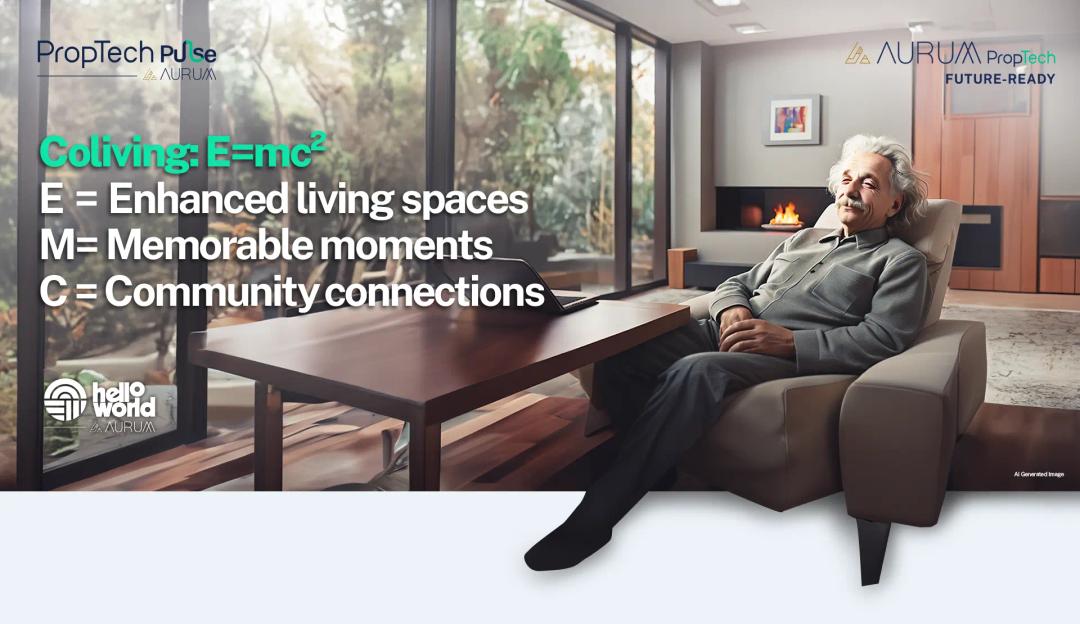
A letter from Albert Einstein in 2024 to young Albert
Dear Young Albert, I hope this letter finds you well, filled with the same curiosity and wonder that has always driven you. As I reflect on the world today, I can't help but think about how much has changed since my time, especially in the realm of communal living which might seem quite intriguing

PropTech Pulse Editorial
15th March 2024

AI Agent
AI Agents vs Traditional AI: Which Powers Your Business Best?
Navigating the evolving world of artificial intelligence (AI) means more than just adopting new technology—it requires a deep understanding of how different AI paradigms shape outcomes for your business. Two primary approaches dominate the landscape: traditional AI systems and modern AI agents. Know
PropTech Pulse Editorial
25th May 2025

AI Agent
Agentic AI Sales: Boost Engagement and Drive Conversions
Transforming Sales with Agentic AI: The Next Evolution in Customer Engagement Agentic AI is revolutionizing the sales landscape—not with complex interfaces or bulky analytics dashboards, but through intelligent, real-time engagement that drives tangible results. The Modern Sales Hurdle: Achieving P
PropTech Pulse Editorial
27th May 2025
Digital Transformation
A letter from Albert Einstein in 2024 to young Albert
Dear Young Albert, I hope this letter finds you well, filled with the same curiosity and wonder that has always driven you. As I reflect on the world today, I can't help but think about how much has changed since my time, especially in the realm of communal living which might seem quite intriguing
PropTech Pulse Editorial
15th March 2024
AI Agent
AI Agents vs Traditional AI: Which Powers Your Business Best?
Navigating the evolving world of artificial intelligence (AI) means more than just adopting new technology—it requires a deep understanding of how different AI paradigms shape outcomes for your business. Two primary approaches dominate the landscape: traditional AI systems and modern AI agents. Know
PropTech Pulse Editorial
25th May 2025

Ask Pulse Ai anything about real estate

Unlock the Latest in Real Estate
News, Infographics, Blogs & More! Delivered to your inbox.