

©PropTech Pulse 2025, All rights reserved.

What is a Hard Money Loan?
A Hard Money Loan is a short-term financing form where lenders focus primarily on the asset’s collateral value rather than the borrower’s credit history. Typically extended by private investors or specialized funds, these loans fill scenarios needing rapid closures or bridging solutions. Interest rates and fees run higher than conventional loans due to higher perceived risks and quick underwriting processes.
Key Points:
- Collateral-Based: The asset secures the loan, easing lender concerns over credit scores.
- Fast Funding: Minimal red tape or extended appraisals, suiting urgent deals.
- High Interest Costs: Reflects added uncertainty and lack of conventional underwriting.
- Short-Term Nature: Borrowers often refinance or repay within a few months to a couple of years.
Hard money loans empower individuals seeking immediate capital but require careful exit strategies to avoid elevated fees or possible foreclosures.
Recent Glossary
What is the yield gap between offices and warehouses?
What is the YEIDA Sector 22D plot scheme?
What is Yamuna Expressway industrial city?
What is the yield spread over G-Secs for REITs?
What is the year-over-year vacancy trend in coworking?
View More...
Recent FAQs
What are the red flags to watch for in a new project brochure?
What are the processing fees and other charges on a home loan?
Can I earn while learning through Pulse University and how is it tracked?
How does age affect the eligibility result in a home loan calculator?
How does the learn and earn model at Pulse University work?
View More...
Insight Pulse
Uncategorized
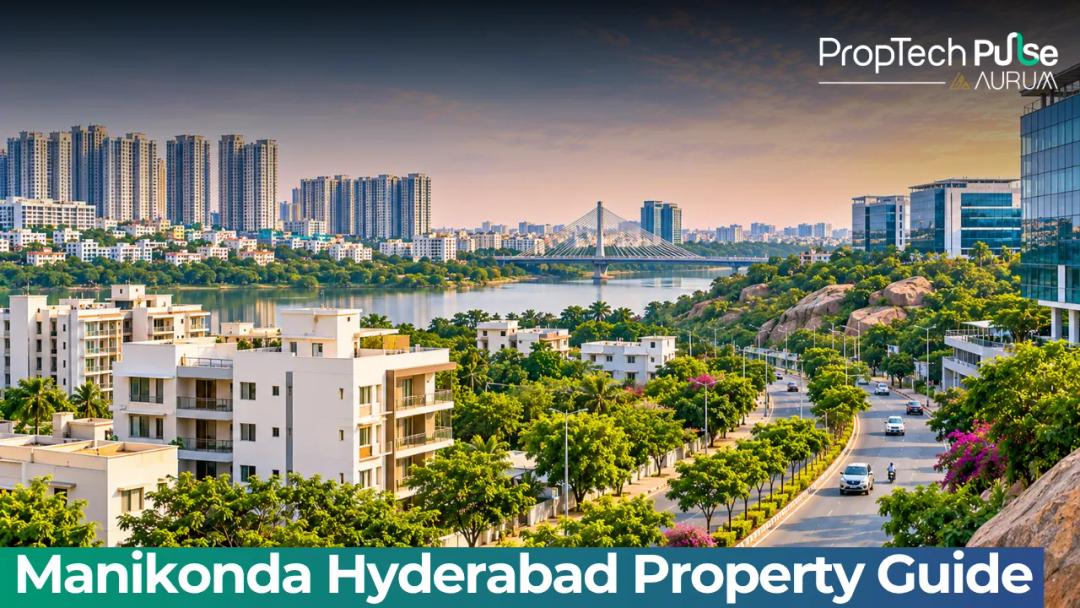
Manikonda Hyderabad: Locality Guide, Property Rates 2026
Manikonda has quietly become the working heartbeat of western Hyderabad’s IT corridor. Buyers searching for flats in Manikonda usually originate from Gachibowli, Kondapur or the Financial District, chasing square footage they cannot afford closer to the lakes or the highway. Marketing materials often promise frictionless commutes. Reality demands compromise. This guide skips the aspirational marketing copy. We look at flat and plot costs against Telangana guidance values. Next we decode how the new 2026 infrastructure plans reprice the area over five years. Finally we cover drainage and traffic bottlenecks that decide whether a site visit turns into a signature. In this guide What Makes Manikonda Tick: Location & Employment Connectivity Manikonda Property Rates: Listing Prices vs What You’ll Actually Pay Rental Market & Yield Snapshot Social Infrastructure: Schools, Hospitals, Retail & Daily Essentials The 2026 Infrastructure Shifts That Move Prices Honest Drawbacks: Traffic Bottlenecks, Drainage and Water Availability Manikonda vs Nearby Corridors: When to Pick It Over Kondapur or Kokapet Final Verdict & Checklist for Site Visits Frequently asked questions What Makes Manikonda Tick: Location & Employment Connectivity Quick answer Manikonda offers mid-segment housing along the western IT belt. Flats average ₹7,834 per sq ft while listings run above state guidance values. Drive times reach Raidurg tech parks in twelve minutes and HITEC City in eighteen, though last-mile metro access from Raidurg or Durgam Cheruvu requires autos during peak windows. The location trades waterfront prestige for sheer proximity to employment clusters. Office goers value the balance between reasonable travel duration and livable density. Many newcomers pick up a locality overview to compare micro-market boundaries before touring showrooms. Drive times to Gachibowli, Financial District & HI-TEC City 12 minutes to Raidurg tech park hub via Pipeline Road 18 minutes to HITEC City via Outer Ring Road 35 minutes to Financial District if traffic holds steady Return trips bleed slightly longer. Evenings bring returning commuters merging from multiple flyovers. The ORR remains the fastest artery for those heading north or south. Pipeline Road feeds directly into the western catchment. The Metro Reality: Raidurg, Durgam Cheruvu & Last-Mile Commute The closest operational stations are Raidurg and Durgam Cheruvu. Both sit roughly three kilometres away. In normal weather a quick auto call covers the distance in ten minutes. Peak hour queues at pull-up points stretch wait times considerably. Residents rely on last-mile connectivity more than most initial surveys suggest. Most users treat the metro as a weekend convenience rather than a daily spine. Avoid assuming immediate walkability unless your workplace sits within one kilometre of the colony lanes. Plan for auto subscriptions or cab pooling early to protect morning schedules. Manikonda Property Rates: Listing Prices vs What You’ll Actually Pay Listing prices float high. Brokers anchor their expectations to glossy launches across the ORR. The negotiation floor lives much lower, sitting inside the state guidance brackets. Developers pricing a 1,500 sq ft unit at ₹1.17 crore typically trail the IGR reference valuation by eight to ten percent. You need room to push back, especially if the building carries incomplete landscaping or delayed possession clauses. Current flat, house and plot rates (with 2026 Q3 trends) Manikonda property rates snapshot, Q3 2026 baseline Property type Average listing rate (₹ per sq ft) Telangana guidance value (₹ per sq ft) YoY appreciation estimate Flats ₹7,834 ₹6,887 ~8–10% Independent houses ₹6,970 ₹3,578 ~6–8% Plots & residential sites ₹78,959 Varies by zone ~10–12% Telangana guidance values and your negotiation floor The gap between asking price and guidance value dictates your real bargaining power. Brokers quote heavily around new launch premiums. Actual transaction closures usually sit closer to the official benchmark. Buyers who ignore the guidance map tend to pay soft costs disguised as amenities. Request the latest circle rate printout before negotiating token amounts. Using a stamp duty and registration charges calculator helps you forecast total outgo accurately. Always measure the carpet area. Cross-reference the Undivided Share of Land to verify fair pricing standards. A smaller reported size with inflated super built-up metrics ruins long term ROI. Track trends via a reliable rates and trends dashboard to separate genuine appreciation from promotional markup. Negotiation tip Ask the builder to itemise club membership fees, parking allocations and maintenance deposits separately. Lock the base per sq ft figure first, then bundle extras. Rental Market & Yield Snapshot Three bedroom units dominate demand. Rents hover between ₹28,000 and ₹35,000 a month depending on furnishing level and society age. IT families prefer gated compounds here because schools and supermarkets sit inside walking distance. Gross rental yields settle around two point five percent. Developers bank on capital appreciation over monthly cash flow. If recurring income matters, factor in higher maintenance fees for premium clubhouses when projecting net returns. Rental growth tracks office vacancy shifts in adjacent tech parks. Tighter commercial spaces force tenants to relocate inward, tightening Manikonda leasing pipelines. Keep vacancy windows short by targeting corporate relocation specialists who handle bulk tenant moves. Social Infrastructure: Schools, Hospitals, Retail & Daily Essentials Daily life functions smoothly without travelling far. Multiple central boarding schools cluster near the main arterial roads. Parent commute stress drops significantly. Healthcare meets practical benchmarks too. Multispecialty clinics offer emergency care within five minutes. Shopping leans functional. Grocery chains, pharmacies and casual eateries populate the colony lanes comfortably. The broader Manikonda pin code covers a dense grid of older independent villas meeting new mid-rise towers. Every shopkeeper knows regulars. Community pace stays grounded. Public transport frequency improves during weekday mornings. Routes thin considerably after evening rush. Auto stands operate reliably on major intersections. Essential daily infrastructure within 2 km radius Category Key nodes Schools Central boarding academies near Pipeline Road spur Hospitals Multispecialty emergency centres and diagnostic labs Retail Supermarkets, hardware outlets, casual dining corridors Civic services Banking branches, fire stations, GHMC ward offices The 2026 Infrastructure Shifts That Move Prices Long term valuation rests on planned public spend. Two major approvals changed the trajectory this year. Buyers tracking the broader market monitor these shifts to spot undervalued parcels. Pipeline Road widening and the ORR Trumpet Interchange Civic funding finally broke through earlier this year. The Telangana government approved roughly ₹110 crore to widen critical segment stretches. Builders also installed the complex trumpet interchange linking Pipeline Road directly onto the ORR. Traffic snarls near Puppalguda ease when vehicles bypass the signal maze completely. Reduced commute friction lifts investor confidence. Properties facing the widened belt record faster resale cycles. Watch the Red Line metro route alignments for secondary spillover effects. Hyderabad Metro Phase 2 in-principle approval Transport planners granted in-principle clearance to the expansion scheme in mid-January. Proposed corridors thread through the western catchment. The goal is siphoning surface pressure onto rail networks. Physical construction timelines stay fluid. Land acquisition notices already alter parcel valuations. Plot holders near upcoming alignments should watch master plan drafts closely before committing exit strategies. Honest Drawbacks: Traffic Bottlenecks, Drainage and Water Availability Waterlogging bites hard during heavy July showers. Certain feeder lanes lack proper subsurface drainage. Paved surfaces turn into shallow channels overnight. Municipal authorities pump fixed volumes into the public supply network. Many residents rely on private tankers and deeper borewells to bridge seasonal shortages. Pick a society with tested drilling records if consistent water flow ranks high on your priority list. The traffic chokepoint at Puppalguda bleeds patience when return commutes collide with evening school drop-offs. Peak window spills onto connecting arteries regularly. Noise levels rise noticeably along the widened belt during freight movement hours. Manage expectations around silence if you work night shifts or require uninterrupted WFH environments. Manikonda vs Nearby Corridors: When to Pick It Over Kondapur or Kokapet Kokapet draws newer buyers with wide open layouts and lakefront ambitions. Basic utilities still trail behind occupancy clearances there. Kondapur delivers mature street life, though available square footage shrinks rapidly. Commission overhead climbs alongside scarcity. Manikonda occupies the pragmatic middle ground. You exchange waterfront glamour for established community pacing and cheaper entry thresholds compared to prime lake-edge tracts. First-time tech professionals settling roots find the balance acceptable. Compare options via a detailed flats in Kondapur review if proximity outweighs budget constraints. Weigh long term water security against short term lifestyle hype when choosing adjacent zones. Final Verdict & Checklist for Site Visits Do not sign documents on the first Saturday tour. Walk the lane at 6 PM to test ambient noise and track return traffic length. Verify the occupancy certificate against local RERA filings. Request explicit updates on ongoing civic sewer upgrades before handing over tokens. Budget roughly ₹2 lakh extra for interiors beyond standard developer handover specs. Use a structured property due diligence checklist to catch missing documentation early. Prioritise societies with transparent maintenance ledgers and verified underground pipe maps. Frequently asked questions What is the average property rate per square foot in Manikonda, Hyderabad? Market listings place typical apartment prices around ₹7,834 per sq ft as of Q3 2026. Independent houses trade closer to ₹6,970 per sq ft, while residential plots hover near ₹78,959 per sq ft. Broker quotes often exceed state guidance benchmarks, so negotiate using the official Telangana valuation tables before committing funds. Is Manikonda a good locality to live in? It suits families working in western IT hubs who want manageable commute distances and established neighbourhood pacing. Schools, clinics and grocery stores sit inside walking range. You sacrifice luxury lake views and ultra-wide roads for better affordability. Water logistics and monsoon drainage require personal vetting before signing leases. How far is Manikonda from Raidurg Metro Station? The station sits roughly three kilometres from the core residential belt. Driving or taking an auto typically covers the distance in ten minutes under normal conditions. Peak hour queues at pull-up points can extend wait times, making last-mile planning essential for daily office runners relying on transit. What is the pin code of Manikonda? The postal code for Manikonda falls under 500089. This circle encompasses both the older independent villa stretches and the newer mid-rise apartment corridors. Local post offices and municipal wards align directly with this numbering system for civic correspondence. What are the main disadvantages of living in Manikonda? Monsoon waterlogging disrupts several feeder lanes lacking updated subsurface drains. Peak evening traffic converges near Puppalguda junction, slowing return commutes significantly. Some pockets face intermittent municipal water supply, forcing reliance on private tankers. Noise increases along the widened arterial routes during freight movement hours. Sources Greater Hyderabad Municipal Corporation: Ward boundary maps and civic service coverage grids (accessed October 2026) Reserve Bank of India: Repo rate context and housing finance lending parameters (accessed October 2026) Enjoyed this blog article? Visit PropTech Pulse for more interesting blogs.

PropTech Pulse Editorial
3rd November 2026
Uncategorized
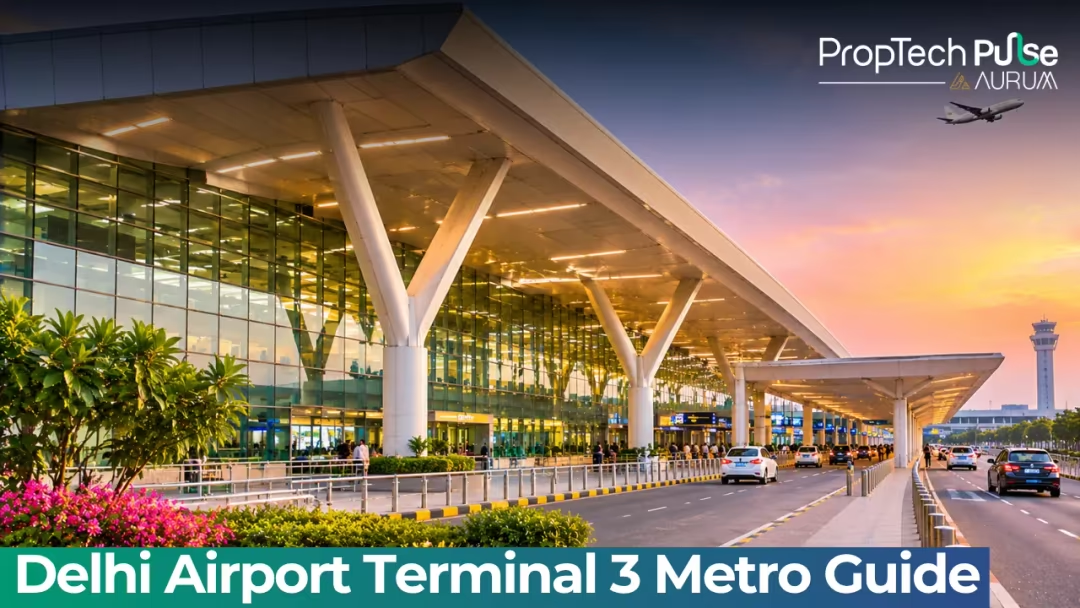
Delhi Airport Terminal 3 Guide: Metro, Airlines, Facilities
Walked past Terminal 3 when you meant to catch an Air India flight? It costs time you cannot afford. Your terminal dictates everything from metro routing to baggage claim locations. If your boarding pass points to Terminal 3, you are navigating South Asia’s largest single terminal building. The complex handles nearly all international carriers alongside key Air Group domestic operations. Here is the exact metro routing, schedule, and facility map you need before leaving home. In this guide Who Flies from Delhi Airport Terminal 3 Reaching Terminal 3 by Metro and Ground Transport Inside Terminal 3: Layout and Key Facilities Quick Tips for Smooth Boarding at T3 Frequently asked questions Who Flies from Delhi Airport Terminal 3 Quick answer All foreign and international carriers operate out of Delhi Airport Terminal 3. For domestic flights, T3 serves as the primary base for the Air Group. Following the Air India-Vistara merger, most former Vistara domestic services shifted to Terminal 2, while Air India retained its major domestic hubs here. Your terminal allocation depends on the airline and whether you are flying internationally or domestically. Delhi Airport Terminal 3 functions as the international gateway. Every foreign carrier that serves India checks passengers in here. Beyond international routes, the complex covers major domestic duties for the Air Group. Flights bound for Bengaluru or Chennai under the Air India brand typically launch from the igi airport t3 concourse. Consolidation efforts reshaped this layout after the Air India-Vistara deal closed in late 2024. Carriers formerly part of Vistara moved most of their operations to Terminal 2 to ease bottlenecks. Air India kept its primary domestic hubs here, though. Budget carriers generally use Terminal 1 instead. You should double-check your boarding pass before heading out. Last-minute gate changes happen often during holiday rushes. Knowing where you fly matters for logistics. T3 sits at the eastern end of the airport complex. If you are driving from west Delhi areas, you will approach via the outer ring roads that feed into the airport express corridor. Checking the pin code for new delhi indira gandhi international airport helps you locate service centres and taxi stands accurately around the perimeter. See the location details and pin code for area navigation. Terminal allocation summary for IGI Airport, October 2026 Terminal Airlines / Sectors Key Users Terminal 3 All international flights; Air Group domestic hubs Foreign carriers, Air India domestic sectors Terminal 2 Domestic flights (post-merger overflow) Former Vistara routes, select domestic brands Terminal 1 Domestic low-cost operators IndiGo, SpiceJet, Akasa Air Reaching Terminal 3 by Metro and Ground Transport The fastest way to reach terminal 3 metro access from central Delhi is the Airport Express Line. The system runs on the Orange Line. Trains depart frequently from both ends. The ride takes roughly 20 minutes from New Delhi Railway Station. An interchange at Rajiv Chowk station connects you to the Yellow Line and Blue Line network. This makes T3 reachable from almost any major commercial hub in the National Capital Region. Metro route options from major Delhi hubs to T3 From Route to T3 Estimated Time Estimated Fare New Delhi Railway Station Direct Orange Line platform ~20 mins Approx ₹60–₹80 Rajiv Chowk Metro Interchange to Orange Line Varies by origin Zone-based tariff Hauz Khas Metro Yellow Line to Rajiv Chowk, swap to Orange ~50 mins total Zone-based tariff Saket / South Delhi Yellow Line to Rajiv Chowk, swap to Orange ~55 mins total Zone-based tariff Fares depend on the distance from your starting station. The metro operates early morning until night. Check the latest timetable on dmrc.co.in, as timings shift slightly during winter and summer adjustments. During rush hours, expect crowds. Carry your return token or reload your smart card before entering the paid area. If you prefer road transport, app cabs and taxis are available at designated bays on the lower arrival level. Waiting times can spike during flight landings. Negotiating with unregulated stand taxis is risky; using verified aggregator apps saves time. Free inter-terminal shuttle buses run every 20 minutes for passengers who reach the wrong terminal. T1 to T3 by road takes about 15 to 20 minutes depending on traffic inside the complex. Drivers approaching from the west can use the Dwarka Expressway to cut travel time significantly. Once you enter the expressway, follow the signage to the Airport Express corridor which feeds directly into t3 delhi airport drop-offs. Read our guide on the dwarka expressway route and tolls for traffic updates. DigiYatra and Paperless Entry at T3 Terminal 3 supports DigiYatra, the paperless entry system backed by the Digital Personal Data Protection framework. Enrolment takes five minutes using your Aadhaar-linked mobile app. At the checkpoint, you simply scan your face and present your boarding pass barcode. This bypasses the document verification queue entirely. The system works across most major airlines operating at T3. Pro Tip Enrol in DigiYatra at least two days before your trip. Technical glitches happen occasionally, and having a digital pass ready means less panic at the security gate. Inside Terminal 3: Layout and Key Facilities T3 is designed in two tiers. The upper level handles all departures. The lower level manages arrivals. Understanding this split prevents unnecessary escalator rides and missed connections. Upper Tier (Departures) Checklist Curb-side drop-off lands you at the Departure Podium. Follow signs to your airline's check-in cluster. Counters close typically 45 minutes before international departure and 30 minutes before domestic flights. After check-in, proceed to security screening. If you are flying international, head to immigration clearance followed by customs exit. Duty-free shopping and food courts occupy the pre-boarding concourse. Gate changes are announced on screens and via SMS. Listen for announcements even if your boarding pass shows a fixed gate. Lower Tier (Arrivals) and Baggage Claim The Arrival Hall processes international and domestic bags separately. Foreign arrivals move through passport control before retrieving luggage. Currency exchange desks operate throughout the hall, though rates vary. ATMs and credit card payment points are located near the exits. Pre-paid taxi counters sit just beyond the customs barrier. Staff there issue official receipts based on weight and destination zones. Outside the terminal, you will find the metro station entrance, bus stops, and cab parking. Parking, Lounges and Business Centre IGI Airport runs a seven-level automated multi-level car park at Terminal 3. The system handles thousands of vehicles with minimal staff intervention. First-time users should note that entry requires tapping a token or card. Exit fees calculate automatically based on duration. Lounge access depends on your ticket class or membership status. Multiple independent lounge operators offer separate entry zones for priority passengers. A business centre with printing and workspace pods serves travelers who need a quick desk. newdelhiairport.in publishes detailed maps and contact numbers for lost-and-found or special assistance requests. Quick Tips for Smooth Boarding at T3 Plan your arrival four hours before an international flight and two hours before domestic. Traffic on the outer ring roads can delay you unpredictably. Use the metro if you originate near Rajiv Chowk or New Delhi station. Verify your terminal assignment again the night before flights sometimes get re-tagged. Print or save your boarding pass offline. Airport Wi-Fi can drop during peak loads. Frequently asked questions How do I reach Delhi Airport Terminal 3 by metro? Take the Airport Express Line, which runs on the Orange Line. Trains connect T3 directly to New Delhi Railway Station in about 20 minutes. If you start from Rajiv Chowk, you can transfer from the Yellow or Blue lines to catch the Orange Line southbound towards the airport. Check dmrc.co.in for exact departure intervals, as timings shift seasonally. Which terminal does Air India depart from in Delhi? Air India operates primarily from Delhi Airport Terminal 3. The airline uses T3 as its main hub for both domestic and international flights. While many former Vistara routes moved to Terminal 2 after the merger, Air India kept its core domestic networks at T3. Look at your boarding pass to confirm, since gate assignments can change during busy periods. Is there a direct walkway between T2 and T3 Delhi Airport? Yes, a covered pedestrian link connects Terminal 2 and Terminal 3. The walkway allows passengers to transfer on foot without taking a shuttle bus. Signage guides you through the path, which stays accessible for wheelchairs and strollers. Use this route if you have extra time and want to avoid waiting for the free inter-terminal bus. What is the metro fare from New Delhi Railway Station to IGI Airport? Fares from New Delhi Railway Station to the airport zone typically range from approximately ₹60 to ₹80 one way, depending on current DMRC pricing structures. The metro charge adjusts periodically. Reload a smart card or keep a UPI-enabled device ready at the validator for a smooth tap-through without queuing at the counter. Sources dgca.gov.in: General guidelines on check-in closure times and passenger flow management (accessed October 2026) Enjoyed this blog article? Visit PropTech Pulse for more interesting blogs.
PropTech Pulse Editorial
3rd November 2026
Uncategorized
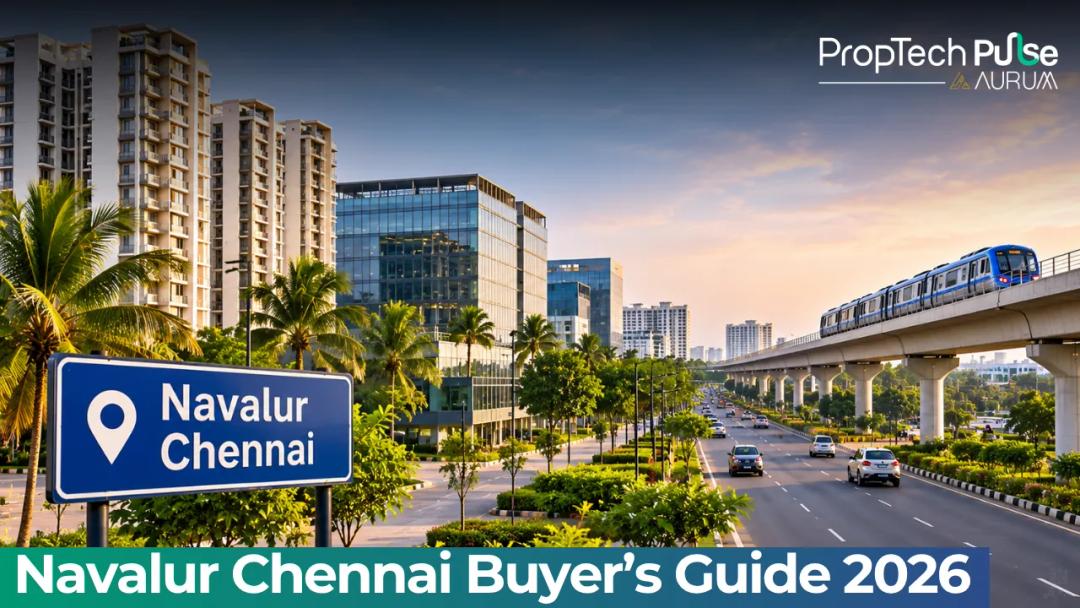
Navalur Chennai Buyer’s Guide 2026: Rates, Metro & Risks
The OMR corridor pushed budget buyers past Sholinganallur. That pressure zone is where navalur captures attention. You get spacious flat layouts and newer township projects at a fraction of the cost. The trade-offs, however, are stark. This market rewards patience. It punishes impulsive booking decisions. This guide strips away developer marketing. We map out exactly what navalur chennai means for your monthly budget. You get realistic commute times toward major IT hubs. Real flags pop up regarding micro-zones carrying hidden civic risks. Read them before signing anything. In this guide Where is Navalur Chennai? Location and Jurisdiction. Current navalur property rates and price trends. Average flats in navalur per sq ft Commuting from Navalur OMR: Roads, Bus Routes, and Metro Reality. Civic Infrastructure: Water, Waste, and Connectivity. Navalur OMR: Who should buy here? Next steps when evaluating the area. Frequently asked questions Where is Navalur Chennai? Location and Jurisdiction. Quick answer Navalur lies just south of Shollinganallur along the OMR technology corridor. It falls under the Thiruporur Taluk in the Chengalpattu District rather than the Greater Chennai Corporation. This jurisdiction means different property tax slabs, reliance on local panchayat services for drainage and roads, and slower corporate investment compared to core OMR hubs. Municipal boundaries draw a hard line around your daily responsibilities anyway. Because the area falls under the Thiruporur Taluk in the Chengalpattu District, governance operates on regional slabs rather than corporation timelines. Street repairs depend entirely on village panchayat crews. Development charges follow specific local rules. Legacy agricultural conversions stall at registration offices constantly. Waiting periods for new owners stretch unexpectedly. Title checks must go deeper than verifying basic ownership deeds. Trace the chain of title back thirty years. Any gap in succession certificates kills bank financing immediately. Hire a local property lawyer for an upfront audit. Their fee is tiny compared to clearing encumbrances later. Beyond the main arterial roads, the micro-locality splits sharply. Properties tucked deeper inland suffer from poor natural drainage and higher humidity. Those facing the highway enjoy better ventilation but deal with relentless dust until evening hours. Understanding this topography prevents buying into a waterlogged tract during peak monsoon months. Current navalur property rates and price trends. Market corrections hit secondary inventory hard. New launches hold firm. Portal data places average asking prices for ready-move apartments between ₹6,000 and ₹8,500 per square foot. Independent plots command roughly ₹41,000 per square yard. Corner sites hitting the main arteries demand steep premiums. Average flats in navalur per sq ft Standard unit sizes dominate inventory. Builders push larger 3 BHK configurations heavily. Families demand extra workspace alongside living rooms. A 1,000 square feet carpet area now sits above ₹60 lakh. Premium gated societies featuring pools and clubhouses push toward the upper ₹8,500 threshold. The market jumped 11 percent quarter-on-quarter since early 2026. Smaller 2 BHK units fly past luxury layouts. Builders noticed immediately. They are shelving super-luxury floors to bankroll mid-income towers. Resale liquidity stays thick. Professionals want closer commutes after initial lock-ins expire. Comparing current asking rates across the central OMR corridor, Q3 2026 Sub-locality Avg Rate (Flats/sq ft) Avg Plot Rate (/sq yard) Navalur ₹6,000 – ₹8,500 ~₹41,000 Shollinganallur ₹8,500 – ₹12,000 ~₹70,000+ Siruseri ₹7,000 – ₹9,500 ~₹55,000 Market Spread Observation Navalur holds the lowest entry barrier for fresh capital deployment. Commuting from Navalur OMR: Roads, Bus Routes, and Metro Reality. Travel time dictates livability. navalur omr presents a fragmented picture depending on your workplace location. Driving north toward SIPCOT IT Park takes fifteen minutes in morning rush hour. Heading west into Guindy pushes trips to 45 or 60 minutes via Inner Ring Road. Chennai International Airport sits conveniently twenty minutes south. Auto fares surge at evening release hours. Corporate parks dump staff simultaneously. Pooled car schemes run reliably from major complexes. Individual commute costs drop significantly. Walking distances to retail malls and medical centres average two kilometres. Two-wheeler ownership becomes mandatory. Daily errands require wheels. Public transit leans heavily on MTC bus networks crossing primary connectors. Direct routes link T Nagar and Anna Nagar easily. Frequency collapses after 8 PM. The major infrastructural gamble remains the upcoming Purple Line Metro. Corridor Three plans a dedicated stop labelled Navallur. Construction activity is visible everywhere. Agency timelines conflict aggressively. Initial targets pointed to mid-2026. Updated engineering reports anchor completion firmly in late 2027. Transit warning: Do not base your entire moving timeline on the metro arrival. Assume a two-year delay from today. Until tracks open, you will depend completely on road networks, auto-rickshaws, and pooled car schemes. Civic Infrastructure: Water, Waste, and Connectivity. Municipal teams cannot match the housing boom. Pipelines run dry across multiple pockets. Households hire private tankers daily. Demand spikes brutally from April to June. Forcing deliveries usually means escalating complaints straight to state ministers. Waste disposal carries equal friction. Unauthorised dumping zones near Buckingham Canal fringes triggered environmental alerts recently. Local landfill capacity looks weak. Fibre broadband penetration flips the narrative. Telecom operators expanded backbone networks along the tech corridor. Zero-latency remote work conditions exist effortlessly. Electricity grid stability improved massively thanks to Tamil Nadu Transmission Corporation upgrades. Load-shedding incidents became rare. Sewage treatment plants still lag behind population growth. Societies use septic tanks requiring frequent desludging. Inspect storm-water drains after heavy rainfall. Do not commit funds blindly. Living in navalur chennai means accepting these friction points until infrastructure catches up. Navalur OMR: Who should buy here? This locality serves salaried IT professionals priced out of mature corridors who demand modern construction standards. Financial arithmetic favours permanent residents over quick-flip investors. Consider taking a ₹75 lakh home loan at 8.5 percent interest over 20 years. Using a standard HDFC home loan emi calculator, your monthly outflow lands near ₹66,000. Renting a comparable 3 BHK flat nearby commands between ₹20 and ₹37 per square foot. A 1,200 square feet unit costs roughly ₹36,000 monthly. Purchasing builds wealth only if you reside beyond seven years. Transaction taxes drain early equity. Maintenance fees eat cash flow. For immediate rental income, comparing rent versus buy dynamics reveals yields hovering around 2 to 3 percent. Focus searches on inland lanes for cleaner groundwater tables. Skip basement parking levels beside canal basins during monsoon weeks. Developers flood these lower areas regularly. Long-term vehicle depreciation follows quickly. Construction quality varies wildly between legacy builders and volume chasers. Request inspection reports detailing brick bonding strength. Ask for cement grade certifications. Reputable firms provide third-party structural safety clearances upon handover. Protect asset value during resale. For many, navalur omr acts as the logical fallback when prime locations stretch budgets too far. Next steps when evaluating the area. Navalur functions perfectly as a stepping stone for families valuing space over instant premium civic facilities. Verify the RERA registration number on the developer brochure against the tnreginet portal. Run mortgage numbers through a trusted mortgage calculation tool. Stress-test salaries against potential interest rate hikes. Demand the latest occupancy certificate for your target tower. Partial handovers cause service charge discrepancies constantly. Before finalising any agreement, walk surrounding streets at 7 AM on weekdays. Listen for construction noise. Check traffic congestion on your specific exit route. Talk to existing residents about tanker frequency. Ground-level verification beats glossy brochures always when evaluating emerging OMR suburbs. Frequently asked questions What is the current rate per sqft in Navalur? Ready-move apartments currently ask between ₹6,000 and ₹8,500 per square foot depending on the society's age and amenities. Independent plots command roughly ₹41,000 per square yard, with corner sites fetching higher premiums. Market data indicates an 11 percent quarterly surge following broader OMR recovery trends. Is Navalur part of Greater Chennai Corporation? No. The locality operates under the Thiruporur Taluk in the Chengalpattu District. This distinction matters because local governance relies on the village panchayat rather than municipal corporation teams. Residents face different property tax calculations, separate drainage maintenance responsibilities, and varying road upgrade cycles compared to core Chennai zones. Which metro station serves Navalur and when will it open? The planned Purple Line extension includes a stop formally labelled Navallur on Corridor 3. Civil construction is underway, though official timelines conflict aggressively. Initial targets pointed to mid-2026, but subsequent engineering assessments now anchor the operational start firmly in late 2027. Buyers expecting immediate transit benefits must prepare for substantial delays. How far is Navalur from SIPCOT IT Park? The SIPCOT Technology Park sits approximately six kilometres north of the core residential cluster. Morning commutes typically require 15 to 20 minutes by car via the main OMR arterial route. During peak traffic hours, congestion can stretch the drive closer to 35 minutes, though the distance remains one of the area's strongest selling points. Are there water problems in Navalur? Irregular piped supply forces many households to depend entirely on private water tankers. The issue intensifies dramatically between April and June when summer demand peaks. While the regional board manages basic distribution, local enforcement remains patchy. Future buyers should confirm the society's individual borewell depth or tanker quota agreements before signing deeds. Sources Government of Tamil Nadu: Local governance boundaries and civic infrastructure allocation policies (accessed October 2026) Chennai Metropolitan Water Supply and Sewerage Board: Regional water distribution zones and tanker dependency advisories (accessed October 2026) Enjoyed this blog article? Visit PropTech Pulse for more interesting blogs.
PropTech Pulse Editorial
3rd November 2026
Uncategorized
Manikonda Hyderabad: Locality Guide, Property Rates 2026
Manikonda has quietly become the working heartbeat of western Hyderabad’s IT corridor. Buyers searching for flats in Manikonda usually originate from Gachibowli, Kondapur or the Financial District, chasing square footage they cannot afford closer to the lakes or the highway. Marketing materials often promise frictionless commutes. Reality demands compromise. This guide skips the aspirational marketing copy. We look at flat and plot costs against Telangana guidance values. Next we decode how the new 2026 infrastructure plans reprice the area over five years. Finally we cover drainage and traffic bottlenecks that decide whether a site visit turns into a signature. In this guide What Makes Manikonda Tick: Location & Employment Connectivity Manikonda Property Rates: Listing Prices vs What You’ll Actually Pay Rental Market & Yield Snapshot Social Infrastructure: Schools, Hospitals, Retail & Daily Essentials The 2026 Infrastructure Shifts That Move Prices Honest Drawbacks: Traffic Bottlenecks, Drainage and Water Availability Manikonda vs Nearby Corridors: When to Pick It Over Kondapur or Kokapet Final Verdict & Checklist for Site Visits Frequently asked questions What Makes Manikonda Tick: Location & Employment Connectivity Quick answer Manikonda offers mid-segment housing along the western IT belt. Flats average ₹7,834 per sq ft while listings run above state guidance values. Drive times reach Raidurg tech parks in twelve minutes and HITEC City in eighteen, though last-mile metro access from Raidurg or Durgam Cheruvu requires autos during peak windows. The location trades waterfront prestige for sheer proximity to employment clusters. Office goers value the balance between reasonable travel duration and livable density. Many newcomers pick up a locality overview to compare micro-market boundaries before touring showrooms. Drive times to Gachibowli, Financial District & HI-TEC City 12 minutes to Raidurg tech park hub via Pipeline Road 18 minutes to HITEC City via Outer Ring Road 35 minutes to Financial District if traffic holds steady Return trips bleed slightly longer. Evenings bring returning commuters merging from multiple flyovers. The ORR remains the fastest artery for those heading north or south. Pipeline Road feeds directly into the western catchment. The Metro Reality: Raidurg, Durgam Cheruvu & Last-Mile Commute The closest operational stations are Raidurg and Durgam Cheruvu. Both sit roughly three kilometres away. In normal weather a quick auto call covers the distance in ten minutes. Peak hour queues at pull-up points stretch wait times considerably. Residents rely on last-mile connectivity more than most initial surveys suggest. Most users treat the metro as a weekend convenience rather than a daily spine. Avoid assuming immediate walkability unless your workplace sits within one kilometre of the colony lanes. Plan for auto subscriptions or cab pooling early to protect morning schedules. Manikonda Property Rates: Listing Prices vs What You’ll Actually Pay Listing prices float high. Brokers anchor their expectations to glossy launches across the ORR. The negotiation floor lives much lower, sitting inside the state guidance brackets. Developers pricing a 1,500 sq ft unit at ₹1.17 crore typically trail the IGR reference valuation by eight to ten percent. You need room to push back, especially if the building carries incomplete landscaping or delayed possession clauses. Current flat, house and plot rates (with 2026 Q3 trends) Manikonda property rates snapshot, Q3 2026 baseline Property type Average listing rate (₹ per sq ft) Telangana guidance value (₹ per sq ft) YoY appreciation estimate Flats ₹7,834 ₹6,887 ~8–10% Independent houses ₹6,970 ₹3,578 ~6–8% Plots & residential sites ₹78,959 Varies by zone ~10–12% Telangana guidance values and your negotiation floor The gap between asking price and guidance value dictates your real bargaining power. Brokers quote heavily around new launch premiums. Actual transaction closures usually sit closer to the official benchmark. Buyers who ignore the guidance map tend to pay soft costs disguised as amenities. Request the latest circle rate printout before negotiating token amounts. Using a stamp duty and registration charges calculator helps you forecast total outgo accurately. Always measure the carpet area. Cross-reference the Undivided Share of Land to verify fair pricing standards. A smaller reported size with inflated super built-up metrics ruins long term ROI. Track trends via a reliable rates and trends dashboard to separate genuine appreciation from promotional markup. Negotiation tip Ask the builder to itemise club membership fees, parking allocations and maintenance deposits separately. Lock the base per sq ft figure first, then bundle extras. Rental Market & Yield Snapshot Three bedroom units dominate demand. Rents hover between ₹28,000 and ₹35,000 a month depending on furnishing level and society age. IT families prefer gated compounds here because schools and supermarkets sit inside walking distance. Gross rental yields settle around two point five percent. Developers bank on capital appreciation over monthly cash flow. If recurring income matters, factor in higher maintenance fees for premium clubhouses when projecting net returns. Rental growth tracks office vacancy shifts in adjacent tech parks. Tighter commercial spaces force tenants to relocate inward, tightening Manikonda leasing pipelines. Keep vacancy windows short by targeting corporate relocation specialists who handle bulk tenant moves. Social Infrastructure: Schools, Hospitals, Retail & Daily Essentials Daily life functions smoothly without travelling far. Multiple central boarding schools cluster near the main arterial roads. Parent commute stress drops significantly. Healthcare meets practical benchmarks too. Multispecialty clinics offer emergency care within five minutes. Shopping leans functional. Grocery chains, pharmacies and casual eateries populate the colony lanes comfortably. The broader Manikonda pin code covers a dense grid of older independent villas meeting new mid-rise towers. Every shopkeeper knows regulars. Community pace stays grounded. Public transport frequency improves during weekday mornings. Routes thin considerably after evening rush. Auto stands operate reliably on major intersections. Essential daily infrastructure within 2 km radius Category Key nodes Schools Central boarding academies near Pipeline Road spur Hospitals Multispecialty emergency centres and diagnostic labs Retail Supermarkets, hardware outlets, casual dining corridors Civic services Banking branches, fire stations, GHMC ward offices The 2026 Infrastructure Shifts That Move Prices Long term valuation rests on planned public spend. Two major approvals changed the trajectory this year. Buyers tracking the broader market monitor these shifts to spot undervalued parcels. Pipeline Road widening and the ORR Trumpet Interchange Civic funding finally broke through earlier this year. The Telangana government approved roughly ₹110 crore to widen critical segment stretches. Builders also installed the complex trumpet interchange linking Pipeline Road directly onto the ORR. Traffic snarls near Puppalguda ease when vehicles bypass the signal maze completely. Reduced commute friction lifts investor confidence. Properties facing the widened belt record faster resale cycles. Watch the Red Line metro route alignments for secondary spillover effects. Hyderabad Metro Phase 2 in-principle approval Transport planners granted in-principle clearance to the expansion scheme in mid-January. Proposed corridors thread through the western catchment. The goal is siphoning surface pressure onto rail networks. Physical construction timelines stay fluid. Land acquisition notices already alter parcel valuations. Plot holders near upcoming alignments should watch master plan drafts closely before committing exit strategies. Honest Drawbacks: Traffic Bottlenecks, Drainage and Water Availability Waterlogging bites hard during heavy July showers. Certain feeder lanes lack proper subsurface drainage. Paved surfaces turn into shallow channels overnight. Municipal authorities pump fixed volumes into the public supply network. Many residents rely on private tankers and deeper borewells to bridge seasonal shortages. Pick a society with tested drilling records if consistent water flow ranks high on your priority list. The traffic chokepoint at Puppalguda bleeds patience when return commutes collide with evening school drop-offs. Peak window spills onto connecting arteries regularly. Noise levels rise noticeably along the widened belt during freight movement hours. Manage expectations around silence if you work night shifts or require uninterrupted WFH environments. Manikonda vs Nearby Corridors: When to Pick It Over Kondapur or Kokapet Kokapet draws newer buyers with wide open layouts and lakefront ambitions. Basic utilities still trail behind occupancy clearances there. Kondapur delivers mature street life, though available square footage shrinks rapidly. Commission overhead climbs alongside scarcity. Manikonda occupies the pragmatic middle ground. You exchange waterfront glamour for established community pacing and cheaper entry thresholds compared to prime lake-edge tracts. First-time tech professionals settling roots find the balance acceptable. Compare options via a detailed flats in Kondapur review if proximity outweighs budget constraints. Weigh long term water security against short term lifestyle hype when choosing adjacent zones. Final Verdict & Checklist for Site Visits Do not sign documents on the first Saturday tour. Walk the lane at 6 PM to test ambient noise and track return traffic length. Verify the occupancy certificate against local RERA filings. Request explicit updates on ongoing civic sewer upgrades before handing over tokens. Budget roughly ₹2 lakh extra for interiors beyond standard developer handover specs. Use a structured property due diligence checklist to catch missing documentation early. Prioritise societies with transparent maintenance ledgers and verified underground pipe maps. Frequently asked questions What is the average property rate per square foot in Manikonda, Hyderabad? Market listings place typical apartment prices around ₹7,834 per sq ft as of Q3 2026. Independent houses trade closer to ₹6,970 per sq ft, while residential plots hover near ₹78,959 per sq ft. Broker quotes often exceed state guidance benchmarks, so negotiate using the official Telangana valuation tables before committing funds. Is Manikonda a good locality to live in? It suits families working in western IT hubs who want manageable commute distances and established neighbourhood pacing. Schools, clinics and grocery stores sit inside walking range. You sacrifice luxury lake views and ultra-wide roads for better affordability. Water logistics and monsoon drainage require personal vetting before signing leases. How far is Manikonda from Raidurg Metro Station? The station sits roughly three kilometres from the core residential belt. Driving or taking an auto typically covers the distance in ten minutes under normal conditions. Peak hour queues at pull-up points can extend wait times, making last-mile planning essential for daily office runners relying on transit. What is the pin code of Manikonda? The postal code for Manikonda falls under 500089. This circle encompasses both the older independent villa stretches and the newer mid-rise apartment corridors. Local post offices and municipal wards align directly with this numbering system for civic correspondence. What are the main disadvantages of living in Manikonda? Monsoon waterlogging disrupts several feeder lanes lacking updated subsurface drains. Peak evening traffic converges near Puppalguda junction, slowing return commutes significantly. Some pockets face intermittent municipal water supply, forcing reliance on private tankers. Noise increases along the widened arterial routes during freight movement hours. Sources Greater Hyderabad Municipal Corporation: Ward boundary maps and civic service coverage grids (accessed October 2026) Reserve Bank of India: Repo rate context and housing finance lending parameters (accessed October 2026) Enjoyed this blog article? Visit PropTech Pulse for more interesting blogs.
PropTech Pulse Editorial
3rd November 2026
Uncategorized
Delhi Airport Terminal 3 Guide: Metro, Airlines, Facilities
Walked past Terminal 3 when you meant to catch an Air India flight? It costs time you cannot afford. Your terminal dictates everything from metro routing to baggage claim locations. If your boarding pass points to Terminal 3, you are navigating South Asia’s largest single terminal building. The complex handles nearly all international carriers alongside key Air Group domestic operations. Here is the exact metro routing, schedule, and facility map you need before leaving home. In this guide Who Flies from Delhi Airport Terminal 3 Reaching Terminal 3 by Metro and Ground Transport Inside Terminal 3: Layout and Key Facilities Quick Tips for Smooth Boarding at T3 Frequently asked questions Who Flies from Delhi Airport Terminal 3 Quick answer All foreign and international carriers operate out of Delhi Airport Terminal 3. For domestic flights, T3 serves as the primary base for the Air Group. Following the Air India-Vistara merger, most former Vistara domestic services shifted to Terminal 2, while Air India retained its major domestic hubs here. Your terminal allocation depends on the airline and whether you are flying internationally or domestically. Delhi Airport Terminal 3 functions as the international gateway. Every foreign carrier that serves India checks passengers in here. Beyond international routes, the complex covers major domestic duties for the Air Group. Flights bound for Bengaluru or Chennai under the Air India brand typically launch from the igi airport t3 concourse. Consolidation efforts reshaped this layout after the Air India-Vistara deal closed in late 2024. Carriers formerly part of Vistara moved most of their operations to Terminal 2 to ease bottlenecks. Air India kept its primary domestic hubs here, though. Budget carriers generally use Terminal 1 instead. You should double-check your boarding pass before heading out. Last-minute gate changes happen often during holiday rushes. Knowing where you fly matters for logistics. T3 sits at the eastern end of the airport complex. If you are driving from west Delhi areas, you will approach via the outer ring roads that feed into the airport express corridor. Checking the pin code for new delhi indira gandhi international airport helps you locate service centres and taxi stands accurately around the perimeter. See the location details and pin code for area navigation. Terminal allocation summary for IGI Airport, October 2026 Terminal Airlines / Sectors Key Users Terminal 3 All international flights; Air Group domestic hubs Foreign carriers, Air India domestic sectors Terminal 2 Domestic flights (post-merger overflow) Former Vistara routes, select domestic brands Terminal 1 Domestic low-cost operators IndiGo, SpiceJet, Akasa Air Reaching Terminal 3 by Metro and Ground Transport The fastest way to reach terminal 3 metro access from central Delhi is the Airport Express Line. The system runs on the Orange Line. Trains depart frequently from both ends. The ride takes roughly 20 minutes from New Delhi Railway Station. An interchange at Rajiv Chowk station connects you to the Yellow Line and Blue Line network. This makes T3 reachable from almost any major commercial hub in the National Capital Region. Metro route options from major Delhi hubs to T3 From Route to T3 Estimated Time Estimated Fare New Delhi Railway Station Direct Orange Line platform ~20 mins Approx ₹60–₹80 Rajiv Chowk Metro Interchange to Orange Line Varies by origin Zone-based tariff Hauz Khas Metro Yellow Line to Rajiv Chowk, swap to Orange ~50 mins total Zone-based tariff Saket / South Delhi Yellow Line to Rajiv Chowk, swap to Orange ~55 mins total Zone-based tariff Fares depend on the distance from your starting station. The metro operates early morning until night. Check the latest timetable on dmrc.co.in, as timings shift slightly during winter and summer adjustments. During rush hours, expect crowds. Carry your return token or reload your smart card before entering the paid area. If you prefer road transport, app cabs and taxis are available at designated bays on the lower arrival level. Waiting times can spike during flight landings. Negotiating with unregulated stand taxis is risky; using verified aggregator apps saves time. Free inter-terminal shuttle buses run every 20 minutes for passengers who reach the wrong terminal. T1 to T3 by road takes about 15 to 20 minutes depending on traffic inside the complex. Drivers approaching from the west can use the Dwarka Expressway to cut travel time significantly. Once you enter the expressway, follow the signage to the Airport Express corridor which feeds directly into t3 delhi airport drop-offs. Read our guide on the dwarka expressway route and tolls for traffic updates. DigiYatra and Paperless Entry at T3 Terminal 3 supports DigiYatra, the paperless entry system backed by the Digital Personal Data Protection framework. Enrolment takes five minutes using your Aadhaar-linked mobile app. At the checkpoint, you simply scan your face and present your boarding pass barcode. This bypasses the document verification queue entirely. The system works across most major airlines operating at T3. Pro Tip Enrol in DigiYatra at least two days before your trip. Technical glitches happen occasionally, and having a digital pass ready means less panic at the security gate. Inside Terminal 3: Layout and Key Facilities T3 is designed in two tiers. The upper level handles all departures. The lower level manages arrivals. Understanding this split prevents unnecessary escalator rides and missed connections. Upper Tier (Departures) Checklist Curb-side drop-off lands you at the Departure Podium. Follow signs to your airline's check-in cluster. Counters close typically 45 minutes before international departure and 30 minutes before domestic flights. After check-in, proceed to security screening. If you are flying international, head to immigration clearance followed by customs exit. Duty-free shopping and food courts occupy the pre-boarding concourse. Gate changes are announced on screens and via SMS. Listen for announcements even if your boarding pass shows a fixed gate. Lower Tier (Arrivals) and Baggage Claim The Arrival Hall processes international and domestic bags separately. Foreign arrivals move through passport control before retrieving luggage. Currency exchange desks operate throughout the hall, though rates vary. ATMs and credit card payment points are located near the exits. Pre-paid taxi counters sit just beyond the customs barrier. Staff there issue official receipts based on weight and destination zones. Outside the terminal, you will find the metro station entrance, bus stops, and cab parking. Parking, Lounges and Business Centre IGI Airport runs a seven-level automated multi-level car park at Terminal 3. The system handles thousands of vehicles with minimal staff intervention. First-time users should note that entry requires tapping a token or card. Exit fees calculate automatically based on duration. Lounge access depends on your ticket class or membership status. Multiple independent lounge operators offer separate entry zones for priority passengers. A business centre with printing and workspace pods serves travelers who need a quick desk. newdelhiairport.in publishes detailed maps and contact numbers for lost-and-found or special assistance requests. Quick Tips for Smooth Boarding at T3 Plan your arrival four hours before an international flight and two hours before domestic. Traffic on the outer ring roads can delay you unpredictably. Use the metro if you originate near Rajiv Chowk or New Delhi station. Verify your terminal assignment again the night before flights sometimes get re-tagged. Print or save your boarding pass offline. Airport Wi-Fi can drop during peak loads. Frequently asked questions How do I reach Delhi Airport Terminal 3 by metro? Take the Airport Express Line, which runs on the Orange Line. Trains connect T3 directly to New Delhi Railway Station in about 20 minutes. If you start from Rajiv Chowk, you can transfer from the Yellow or Blue lines to catch the Orange Line southbound towards the airport. Check dmrc.co.in for exact departure intervals, as timings shift seasonally. Which terminal does Air India depart from in Delhi? Air India operates primarily from Delhi Airport Terminal 3. The airline uses T3 as its main hub for both domestic and international flights. While many former Vistara routes moved to Terminal 2 after the merger, Air India kept its core domestic networks at T3. Look at your boarding pass to confirm, since gate assignments can change during busy periods. Is there a direct walkway between T2 and T3 Delhi Airport? Yes, a covered pedestrian link connects Terminal 2 and Terminal 3. The walkway allows passengers to transfer on foot without taking a shuttle bus. Signage guides you through the path, which stays accessible for wheelchairs and strollers. Use this route if you have extra time and want to avoid waiting for the free inter-terminal bus. What is the metro fare from New Delhi Railway Station to IGI Airport? Fares from New Delhi Railway Station to the airport zone typically range from approximately ₹60 to ₹80 one way, depending on current DMRC pricing structures. The metro charge adjusts periodically. Reload a smart card or keep a UPI-enabled device ready at the validator for a smooth tap-through without queuing at the counter. Sources dgca.gov.in: General guidelines on check-in closure times and passenger flow management (accessed October 2026) Enjoyed this blog article? Visit PropTech Pulse for more interesting blogs.
PropTech Pulse Editorial
3rd November 2026

Ask Pulse Ai anything about real estate

Unlock the Latest in Real Estate
News, Infographics, Blogs & More! Delivered to your inbox.

