
Ask Pulse Ai
Services
Knowledge Hub
Resources
Tools
Ask Pulse Ai
Services







©PropTech Pulse 2025, All rights reserved.

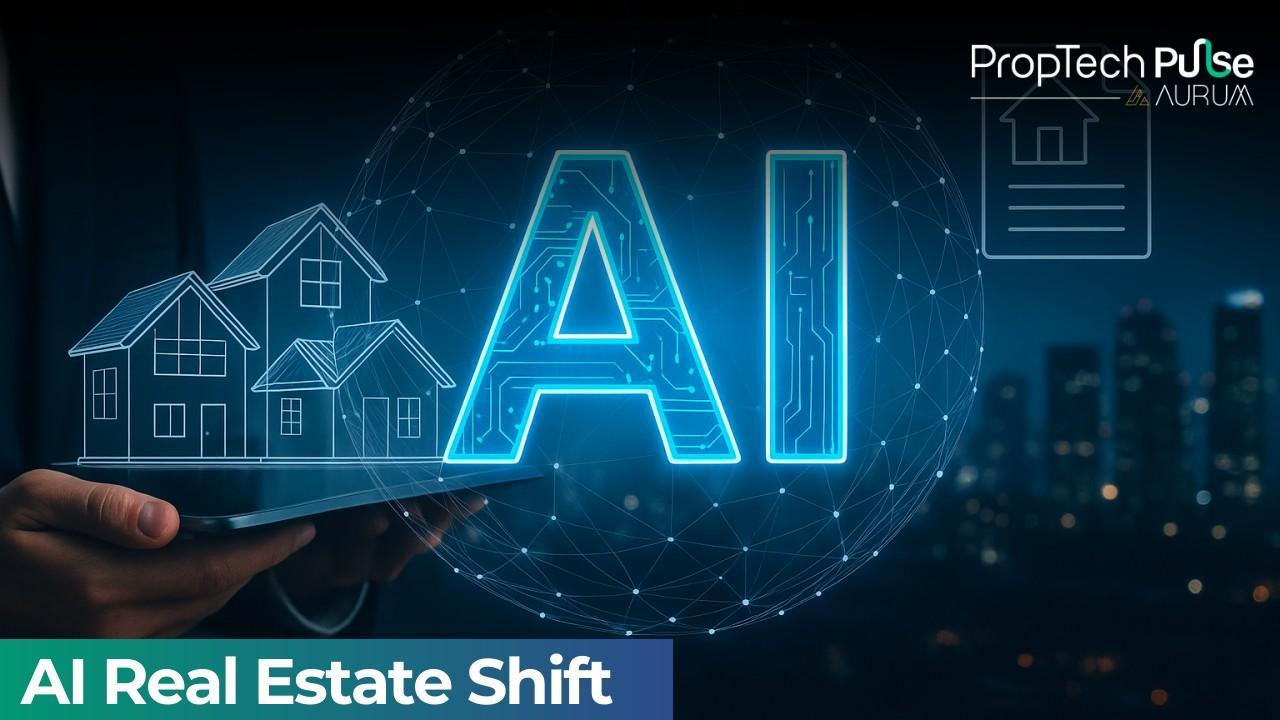
The Rise of AI in Real Estate
The real estate industry is undergoing a digital transformation as emerging technologies begin to reshape how property markets operate. Among the most significant developments is the rise of AI-powered tools capable of analysing vast amounts of data and supporting decision-making processes across the sector. A new concept gaining attention is Agentic AI, which refers to AI systems capable of performing tasks autonomously and making decisions based on data-driven insights.
Traditionally, real estate transactions and market analysis relied heavily on manual research, human judgment, and lengthy administrative processes. With the growing availability of digital data and computing power, AI-driven technologies are increasingly being adopted to streamline operations and enhance efficiency within the industry.
Automation and Intelligent Decision Systems
Agentic AI systems are designed to operate with a level of autonomy, allowing them to analyse information, generate insights, and take actions without constant human intervention. In the context of real estate, these systems can evaluate property data, track market trends, and identify investment opportunities more efficiently than traditional manual methods.
Such technologies rely on machine learning models and advanced data analytics to process information related to property prices, location dynamics, supply trends, and buyer behaviour. By analysing these datasets, AI systems can assist professionals in understanding complex market patterns and forecasting potential developments.
Market Impact: Improving Efficiency Across the Property Ecosystem
The integration of AI technologies into real estate operations has the potential to improve efficiency across several aspects of the industry. AI-powered platforms can assist in property discovery, automated valuation models, and customer engagement processes. These tools may help real estate companies respond more quickly to market changes and client requirements.
For investors and developers, access to data-driven insights can provide a clearer understanding of market conditions. This can support better investment strategies and help identify emerging opportunities in both residential and commercial property segments.
Strategic Implication: Digital Transformation of Property Markets
As real estate companies increasingly adopt digital tools, technologies like Agentic AI may become central to how the sector operates. Automated systems can help streamline workflows, reduce operational costs, and improve the accuracy of market analysis. In addition, AI-enabled platforms may assist professionals in managing property portfolios and monitoring performance metrics more effectively.
The use of AI also aligns with the broader trend of technology integration across industries, where organisations are seeking ways to enhance productivity and deliver more efficient services to clients.
Conclusion: Technology Shaping the Future of Real Estate
The emergence of Agentic AI highlights the growing role of technology in transforming the real estate sector. By enabling faster analysis, automated decision-making, and improved operational efficiency, AI-driven systems could play a significant role in shaping the future of property markets.
While the adoption of these technologies is still evolving, their potential to enhance transparency, efficiency, and data-driven strategies suggests that AI may become an increasingly important tool for real estate professionals in the years ahead.
Enjoyed this update? Visit PropTech Pulse for more real estate news and market insights.





Unlock the Latest in Real Estate
News, Infographics, Blogs & More! Delivered to your inbox.