
Ask Pulse Ai
Services
Knowledge Hub
Resources
Tools
Ask Pulse Ai
Services







©PropTech Pulse 2025, All rights reserved.


As property prices continue to surge across India's primary urban centres, social media has become a platform for middle-class frustration regarding homeownership. The latest debate was triggered by a post on X (formerly Twitter) from Neha Sharma, who compared her experience of purchasing a home in Bengaluru versus the United Kingdom. Sharma noted that while a dual-income household struggled to secure a flat in Bengaluru, she was able to purchase an independent three-bedroom house in the UK on a single salary within two years of moving. This comparison has resonated with young professionals navigating high interest rates and shrinking apartment sizes in India's technology hubs.
Decoding Bengaluru's Real Estate Pricing
Market data reveals that absolute property prices in Bengaluru's prime neighbourhoods are reaching unprecedented heights. According to Hanu Reddy Realty, the current cost landscape for a 2BHK is as follows:
- Central Hubs: In Koramangala, rates of ₹18,000 per sq ft place a 1,100 sq ft apartment at approximately ₹2 crore onwards. In Indiranagar, prices can exceed ₹3 crore.
- Premium Pockets: SADASHIVNAGAR and Malleshwaram see 2BHK prices ranging from ₹2 crore to ₹2.5 crore, while uber-luxury units near MG Road can cross the ₹8 crore mark.
- IT Corridors: In Whitefield, newer apartments are generally priced between ₹2.5 crore and ₹4 crore, reflecting the high demand from the tech workforce.
- Peripheral Areas: North Bengaluru offers more moderate pricing, with units in Devanahalli available for around ₹1 crore.
The Mumbai vs New York Comparison
The discussion gained further traction with a claim that a 2BHK in Mumbai costs around ₹3 crore, representing nearly 15 times the average annual salary, whereas a comparable home in New York costs approximately ₹4.75 crore, or five times the annual income. While Manhattan's median apartment prices remain far higher in absolute terms, ranging from ₹10 crore to ₹15 crore, the core of the debate focuses on the price-to-income ratio. Experts suggest that because average salaries in New York are significantly higher, the financial stretch for a professional is often less severe than for their counterparts in Mumbai.
Global High-Street Real Estate Benchmarks
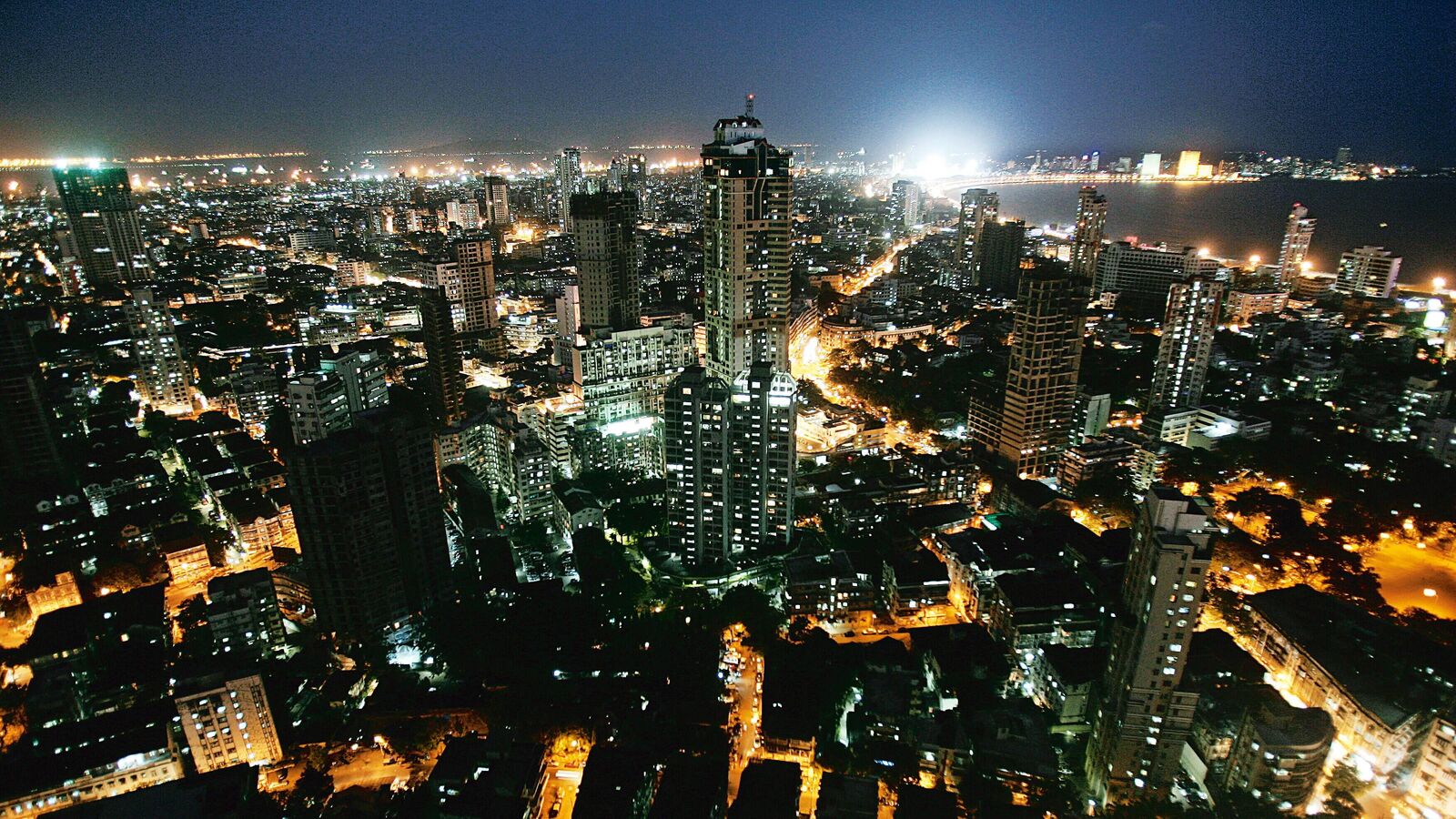
Direct comparisons with London further illustrate the disparity in absolute luxury pricing. Listings on Savills indicate that a 2BHK on London's Smugglers Way is priced around ₹7 crore, while premium neighbourhoods like Mayfair and Mansfield Street feature listings starting at ₹13 crore and reaching upwards of ₹56 crore. In New York, apartments overlooking Central Park have reached prices as high as ₹61 crore. In Mumbai’s most expensive zones, such as Malabar Hill and Breach Candy, 2BHK units are currently priced between ₹3 crore and ₹10 crore, often matching global prices for significantly older infrastructure.

Market Sentiments and Future Implications
The viral debate highlights a growing disconnect between urban wage growth and real estate inflation in India. While developers point toward rising land and construction costs as justification for "Manhattan-like pricing," homebuyers are increasingly questioning the value proposition of these assets. As NRI buyers continue to snap up luxury homes at full price, local professionals are often outbid or forced into peripheral micro-markets. Industry analysts believe that unless there is a correction in the affordability ratio, the rental market will remain the only viable option for a significant portion of the urban workforce in 2026 and beyond.
Enjoyed this update? Visit PropTech Pulse for more real estate news and market insights.




Unlock the Latest in Real Estate
News, Infographics, Blogs & More! Delivered to your inbox.