
Ask Pulse Ai
Services
Knowledge Hub
Resources
Tools
Ask Pulse Ai
Services







©PropTech Pulse 2025, All rights reserved.

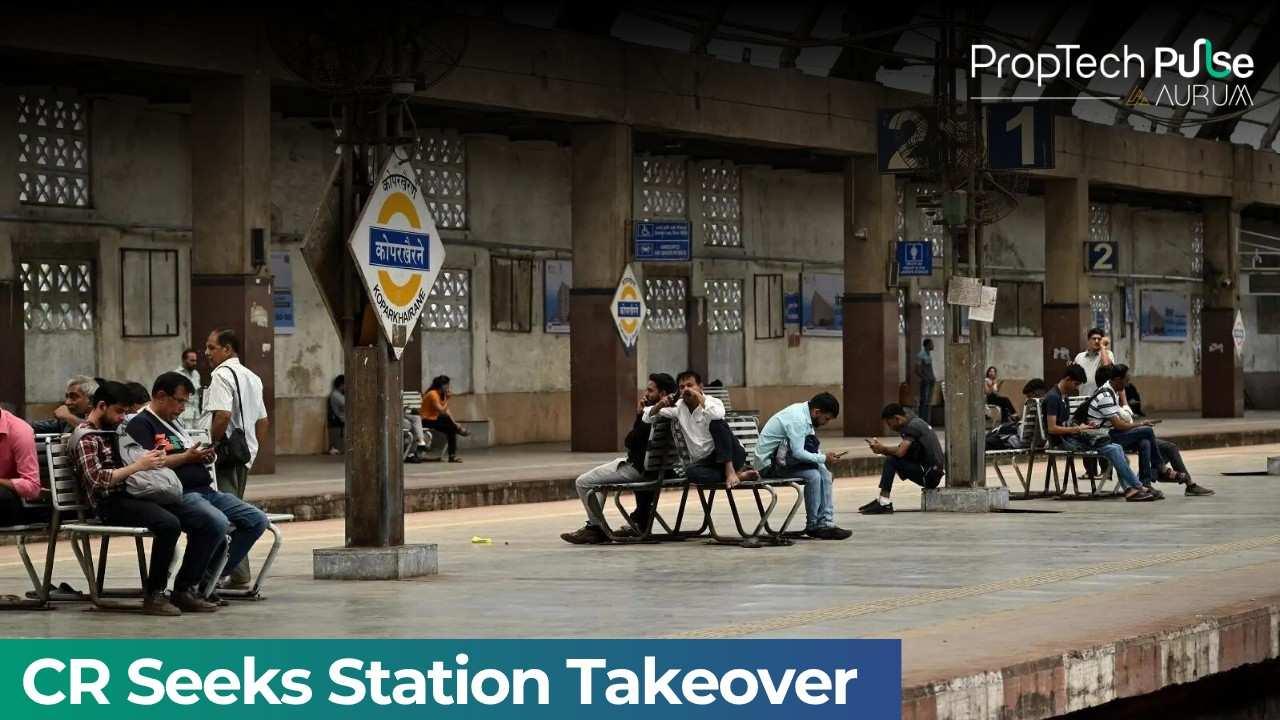
In a decisive move to overhaul the deteriorating transit infrastructure across Mumbai's sister city, Central Railway (CR) has formally requested a complete handover of all railway stations currently managed by the City and Industrial Development Corporation (CIDCO). The sweeping institutional request was tabled during a high-level coordination meeting on Friday, following years of mounting commuter complaints, decaying amenities, and the expiration of historical maintenance contracts. Senior railway officials indicated that if the proposal gains immediate state clearance, the entire transfer of these critical asset classes could be finalised within a tight six-month window.
Unifying Maintenance and Commercial Revenue Models
The core of Central Railway's proposal involves a complete restructuring of the current operational framework. Under the legacy agreement, CIDCO retained structural ownership and maintenance obligations for station commercial complexes along the Harbour and Trans-Harbour lines, while CR handled only core train operations. The new proposal seeks an absolute transfer of:
- Structural Assets: Full control over all concourses, platforms, entry-exit pathways, and passenger booking blocks.
- Commercial Revenue Models: Direct absorption of all real estate lease inflows, advertising rights, stall licensing, and station parking contracts.
- Upkeep Funding: Centralising these non-fare revenue channels to structurally fund immediate restoration works and long-term station modernisations.
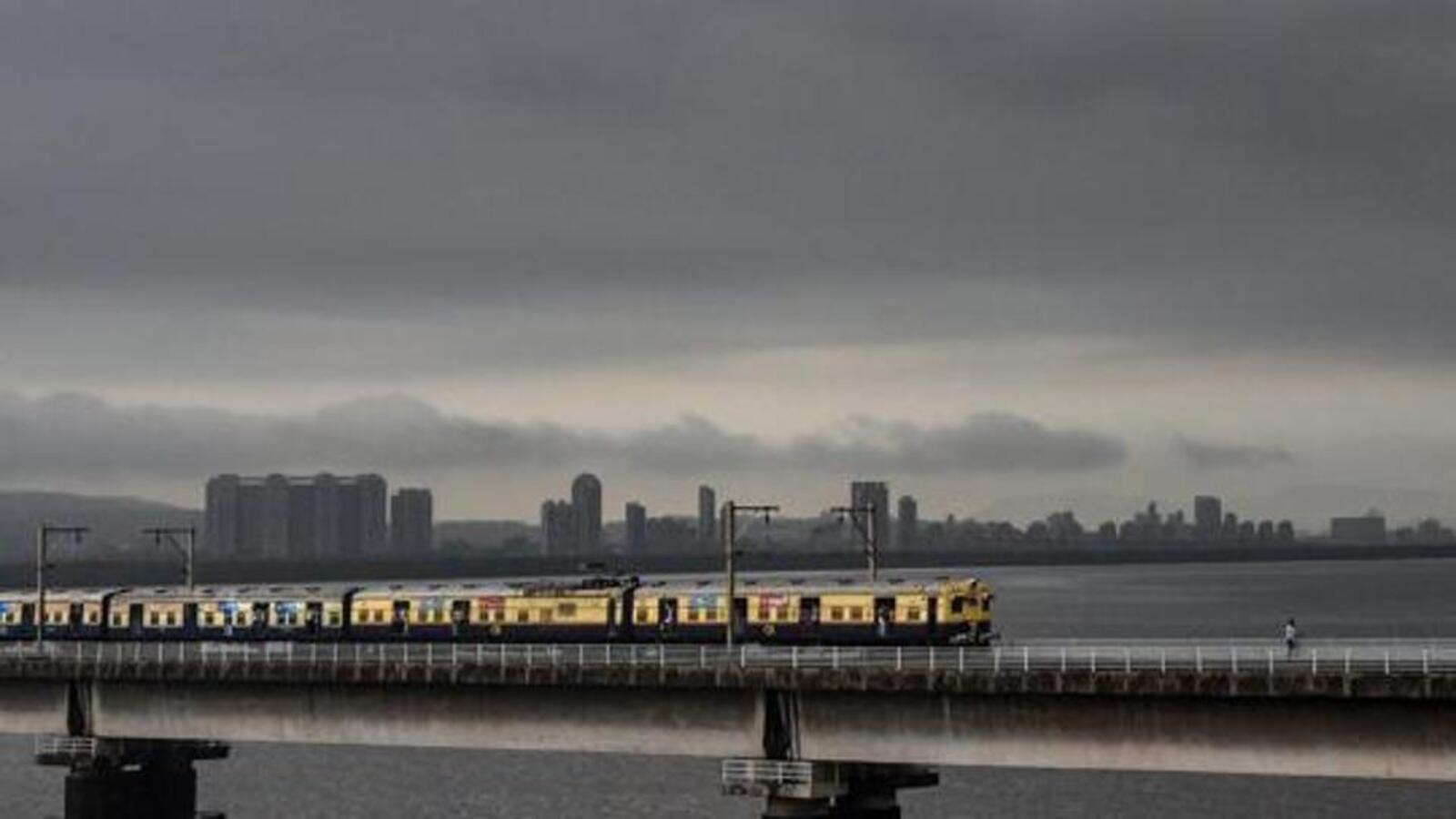
Addressing Commuter Outrage on the Harbour Line
Navi Mumbai's primary railway stations, including major nodes like Vashi, Belapur, Nerul, and Sanpada, were initially hailed as architectural icons featuring unique commercial air-space monetisation models when built in the 1990s. However, decades of administrative friction between the two government bodies led to a severe decline in basic public infrastructure. Passengers have frequently flagged broken floor tiles, leaking roofs during monsoons, non-functional escalators, poorly maintained public restrooms, and inadequate security protocols, turning these high-footfall hubs into prominent civic soft spots.
The Road to Broad Multi-Modal Integration
Transit analysts observe that unifying station management under a single institutional authority aligns directly with the central government's broader mandate for transit-oriented development (TOD). Operating under split jurisdictions consistently stalls infrastructure upgrades, such as the deployment of centralised CCTV surveillance networks and integrated multi-modal ticketing zones. By absorbing these properties into its national database, Central Railway intends to deploy standard budget provisions to streamline daily station management and match the operational efficiency of main-line terminals across Greater Mumbai.
Future Outlook for Navi Mumbai's Transit Landscape
As major mega-projects like the Navi Mumbai International Airport and the Airoli–Katai Naka high-speed corridor prepare to reshape regional commuting patterns, optimising the existing suburban rail network has become an immediate priority for transit planning boards. Eliminating expired maintenance contracts and transferring structural assets to professional railway engineers is expected to remove persistent bureaucratic gridlock. If executed seamlessly by the turn of the fiscal year, this takeover will establish a modern, clean, and financially self-sustaining transit network capable of comfortably supporting the next generation of MMR commuters.
Enjoyed this update? Visit PropTech Pulse for more real estate news and market insights.




Unlock the Latest in Real Estate
News, Infographics, Blogs & More! Delivered to your inbox.