
Ask Pulse Ai
Services
Knowledge Hub
Resources
Tools
Ask Pulse Ai
Services







©PropTech Pulse 2025, All rights reserved.

Introduction
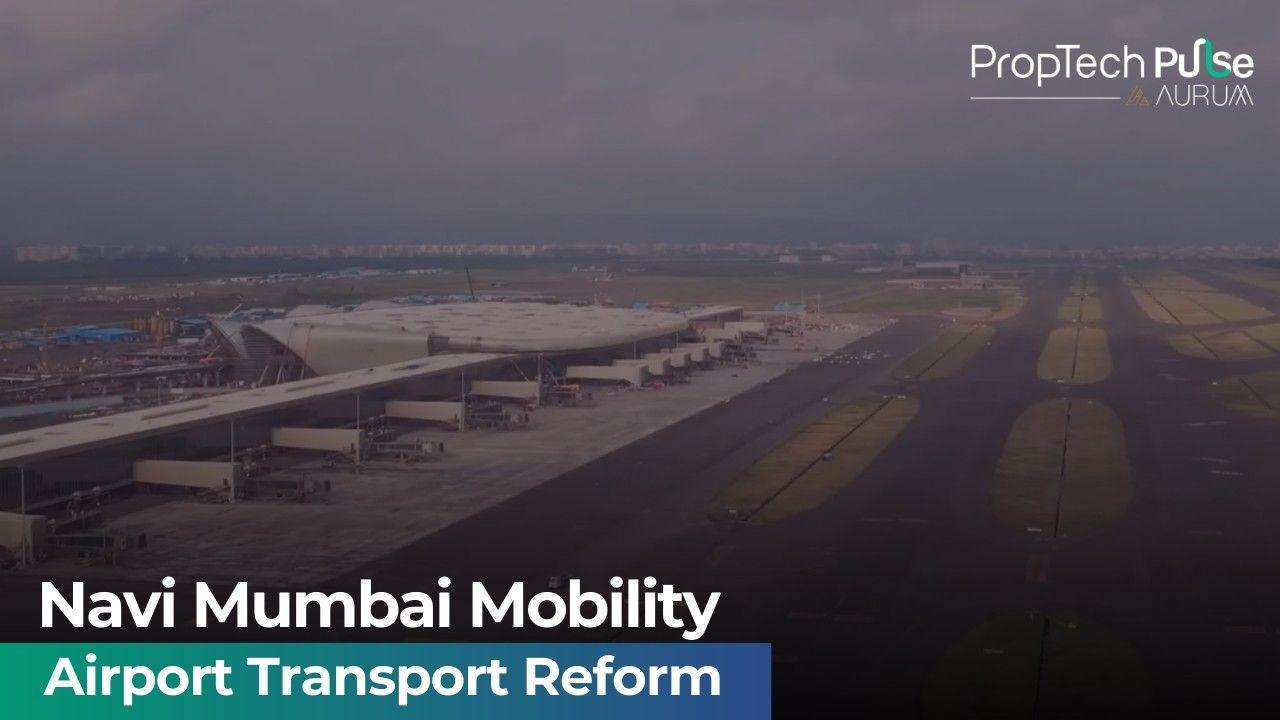
The introduction of fixed prepaid taxi fares and regulated auto-rickshaw pricing at Navi Mumbai Airport signals a decisive step toward organised urban mobility. As the airport begins phased operations, authorities are focusing on eliminating uncertainty in last-mile transport, a factor that plays a critical role in shaping passenger experience as well as surrounding real estate micro-markets.
What the New Fare System Means
Under the newly announced structure, passengers arriving at Navi Mumbai Airport can access prepaid taxis and autos at standardised rates. This removes price negotiations and fare disputes, issues that have long affected traveler confidence at major transport hubs. The system is expected to operate through designated counters and digital booking mechanisms to ensure efficiency and accountability.
Impact on Urban Infrastructure
Reliable airport connectivity is a foundational element of urban infrastructure development. With transparent pricing now in place, Navi Mumbai strengthens its positioning as a planned city aligned with global airport standards. Improved last-mile connectivity enhances the overall functionality of the airport ecosystem, supporting smoother passenger flow and reduced congestion.
Real Estate Implications
Transport certainty directly influences property demand, especially in emerging zones around airports. Locations such as Ulwe, Panvel, and Dronagiri are expected to benefit as consistent mobility lowers perceived travel friction. Residential developers, co-living operators, and commercial landlords often factor airport accessibility into pricing and project viability, making fare regulation a subtle but important market driver.
Boost for Commercial Activity
For businesses, predictable airport transport improves logistics planning and employee movement. Hotels, serviced apartments, business parks, and Grade A office spaces near the airport corridor stand to gain as connectivity becomes more dependable. This could accelerate absorption in commercial real estate and hospitality assets surrounding Navi Mumbai Airport.
Technology and Governance
Authorities are expected to integrate digital payment systems and monitoring tools to ensure compliance with the fixed fare structure. Such measures align with broader PropTech and GovTech adoption trends, where technology enhances transparency, user trust, and operational efficiency across urban services.
Public Reception and Adoption
Early feedback from travelers suggests that fare clarity is a welcome change. Reduced wait times, improved safety perception, and smoother transit experiences contribute to higher satisfaction levels. Over time, consistent execution will be key to ensuring widespread adoption and long-term credibility of the system.
Conclusion
The implementation of fixed prepaid taxi and auto fares at Navi Mumbai Airport extends beyond transport convenience. It reinforces the city’s image as a future-ready urban centre, strengthens real estate fundamentals, and supports sustainable growth around a major infrastructure asset. As airport-led development gains momentum, mobility reforms like these become critical enablers of long-term urban and property market success.
Enjoyed this update? Visit PropTech Pulse for more real estate news and market insights.




Unlock the Latest in Real Estate
News, Infographics, Blogs & More! Delivered to your inbox.