New Launch - India Real Estate Report 2026.











Metro Expansion As A Real Estate Catalyst
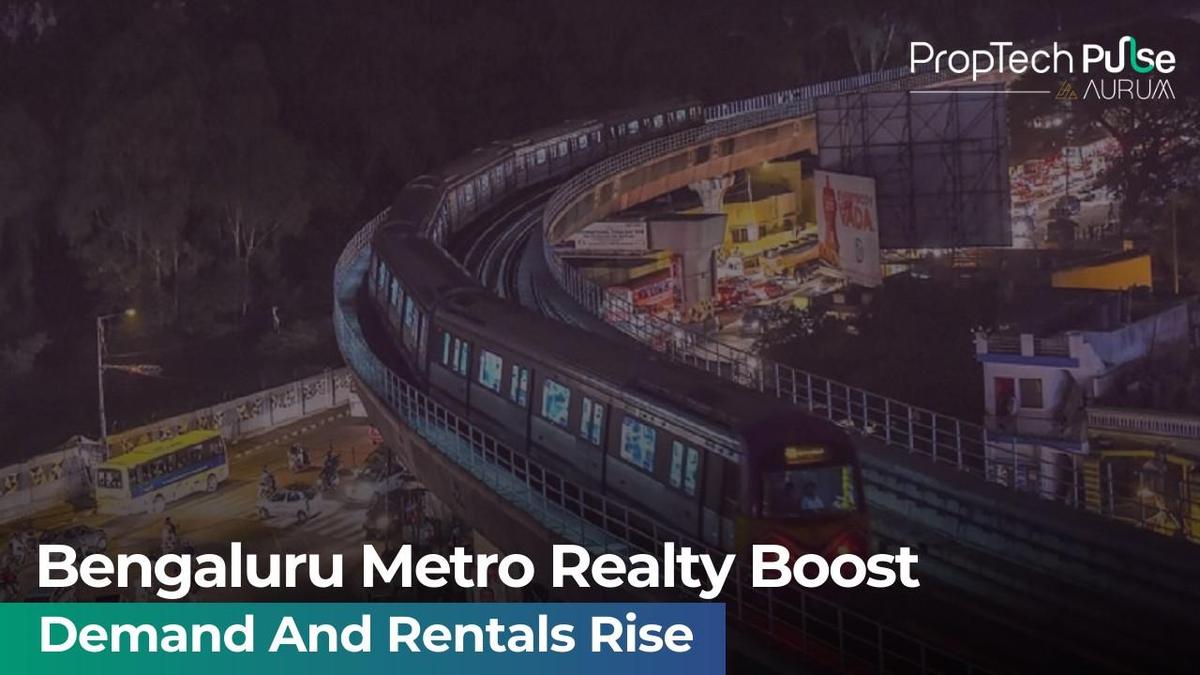
The expansion of Bengaluru’s metro network has emerged as a major catalyst for residential real estate growth across the city. Improved mass transit connectivity has reduced dependence on road-based commuting, offering more predictable travel times and easing daily mobility challenges. The article highlights that this shift has made metro-linked locations more attractive for both homebuyers and tenants.
Rise In Homebuyer Demand
Homebuyer demand in areas connected by the metro has increased by 19 percent, reflecting a clear preference for well-connected residential locations. Buyers are prioritising proximity to metro stations to reduce commute stress and improve work-life balance. This demand is largely driven by end users rather than investors, indicating structurally healthy market behaviour.
Rental Market Sees Upward Movement
Rental values have also increased in metro-accessible neighbourhoods, as tenants compete for homes that offer faster and more reliable commuting options. Working professionals, particularly those with hybrid or regular office attendance, are willing to pay higher rents for homes located near metro corridors.
Changing Residential Preferences
The article notes a clear shift in residential preferences, with connectivity increasingly outweighing factors such as home size or peripheral affordability. Buyers and tenants are opting for smaller or mid-sized homes in central or metro-linked areas instead of larger properties in distant suburbs with weaker transport links.
Key Micro Markets Benefiting From Metro Access
Several residential micro markets along operational and upcoming metro lines are witnessing stronger sales and rental absorption. Improved accessibility has enhanced the liveability of these locations, supporting sustained housing demand and reinforcing their long-term residential appeal.
Developer Response To Metro Led Demand
Developers are aligning project planning with metro infrastructure by focusing on transit-oriented developments. Emphasis on walkability to metro stations and improved last-mile connectivity has become a key project differentiator, helping developers achieve faster sales traction and rental uptake.
Impact On Non-Metro Connected Areas
Residential areas lacking direct metro connectivity are experiencing relatively slower demand growth. Buyers are increasingly cautious about committing to locations where commuting remains time-consuming and unpredictable, highlighting the widening gap between connected and non-connected markets.
Affordability And Pricing Trends
While metro connectivity has supported price and rental appreciation, the article suggests that growth has remained measured rather than excessive. Buyers appear willing to pay a premium for connectivity, provided pricing aligns with perceived long-term value and infrastructure benefits.
Long-Term Urban Planning Implications
The influence of metro expansion on housing demand underscores the importance of integrated transport and urban planning. Transit-oriented development is emerging as a critical framework for sustainable growth, with public infrastructure playing a decisive role in shaping real estate demand patterns.
Conclusion
Bengaluru’s metro expansion is reshaping the city’s residential real estate landscape by driving higher demand from homebuyers and rental growth in well-connected areas. As connectivity becomes a primary determinant of housing, metro-linked corridors are expected to remain central to Bengaluru’s future urban and real estate development.
Enjoyed this update? Visit PropTech Pulse for more real estate news and market insights.