
Ask Pulse Ai
Services
Knowledge Hub
Resources
Tools
Ask Pulse Ai
Services







©PropTech Pulse 2025, All rights reserved.

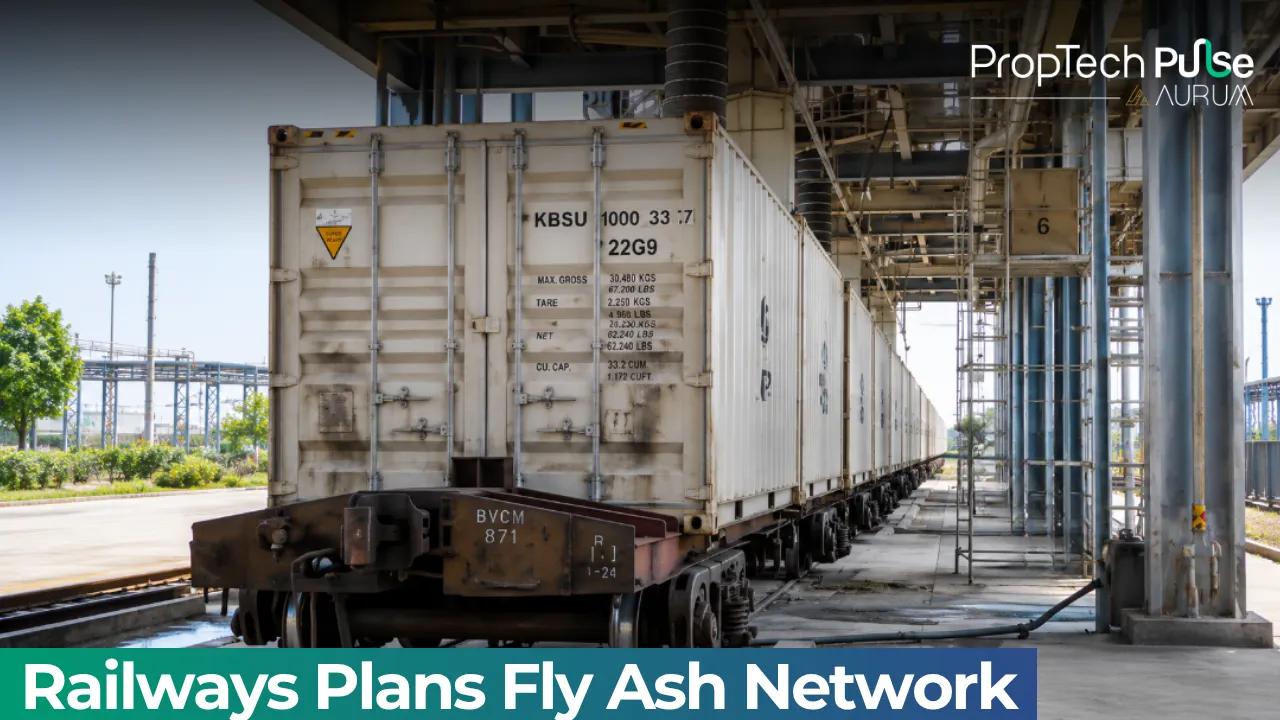
Indian Railways is planning a dedicated logistics network to transport fly ash from thermal power plants to cement manufacturers and construction sites across the country. The initiative aims to improve the movement of fly ash, increase its utilisation in construction activities and strengthen the efficiency of India's freight transportation system.
Fly ash, a by-product generated during coal-based power generation, has become an important raw material for the construction industry. It is widely used in cement manufacturing, fly ash bricks, road embankments and infrastructure projects. However, transporting fly ash from power plants to consumption centres has often remained a logistical challenge due to its bulky nature and the long distances involved.
Dedicated Freight Infrastructure For Construction Materials
The proposed logistics network seeks to create a more organised and efficient mechanism for transporting fly ash in bulk quantities. By leveraging specialised railway infrastructure and freight services, Indian Railways aims to reduce transportation costs and ensure a steady supply of material to industries that depend on fly ash as a key construction input.
Fly ash utilisation has become increasingly important as India continues to expand its infrastructure and housing sectors. Cement manufacturers are among the largest consumers of fly ash, using it as a sustainable material that improves cement properties while reducing dependence on conventional raw materials.
Benefits For The Construction Industry
The dedicated network is expected to support the construction sector by improving access to fly ash and lowering logistics costs. Rail transport is generally considered one of the most economical and environmentally efficient methods for moving bulk commodities over long distances. Improved transportation infrastructure could therefore make fly ash more readily available to construction companies and cement producers across multiple regions.
Industry experts believe better availability of fly ash could contribute to more cost-effective and sustainable construction practices. Increased use of fly ash in cement production and construction activities can also help reduce industrial waste and promote circular economy practices in the infrastructure sector. Fly ash is already being extensively utilised for cement manufacturing, fly ash bricks, road construction and land development activities.
Supporting Sustainability And Infrastructure Growth
The construction sector is expected to be one of the biggest beneficiaries of the initiative. India's ongoing investments in highways, housing, industrial corridors and urban infrastructure are driving demand for construction materials, making efficient logistics systems increasingly important.
The proposed network also aligns with broader national efforts to improve freight efficiency and encourage the use of sustainable materials in infrastructure development. By creating dedicated channels for fly ash transportation, Indian Railways can help optimise resource utilisation while supporting both industrial growth and environmental objectives.
Key Highlights
- Indian Railways plans a dedicated logistics network for transporting fly ash.
- Fly ash utilisation is expected to increase across construction and cement sectors.
- The initiative aims to reduce logistics costs and improve bulk transportation efficiency.
- The construction sector could benefit from easier access to sustainable construction materials.
- Fly ash is widely used in cement manufacturing, bricks and infrastructure projects.
- The network supports resource efficiency and sustainable infrastructure development.
The proposed fly ash logistics network represents an important step towards improving freight efficiency and promoting sustainable construction practices in India. By connecting power plants with industrial users through dedicated rail-based logistics, the initiative has the potential to strengthen both infrastructure development and resource utilisation across the country.
Enjoyed this update? Visit PropTech Pulse for more real estate news, investment insights, and property market trends.





Ask Pulse Ai anything about real estate

Unlock the Latest in Real Estate
News, Infographics, Blogs & More! Delivered to your inbox.