New Launch - India Real Estate Report 2026.











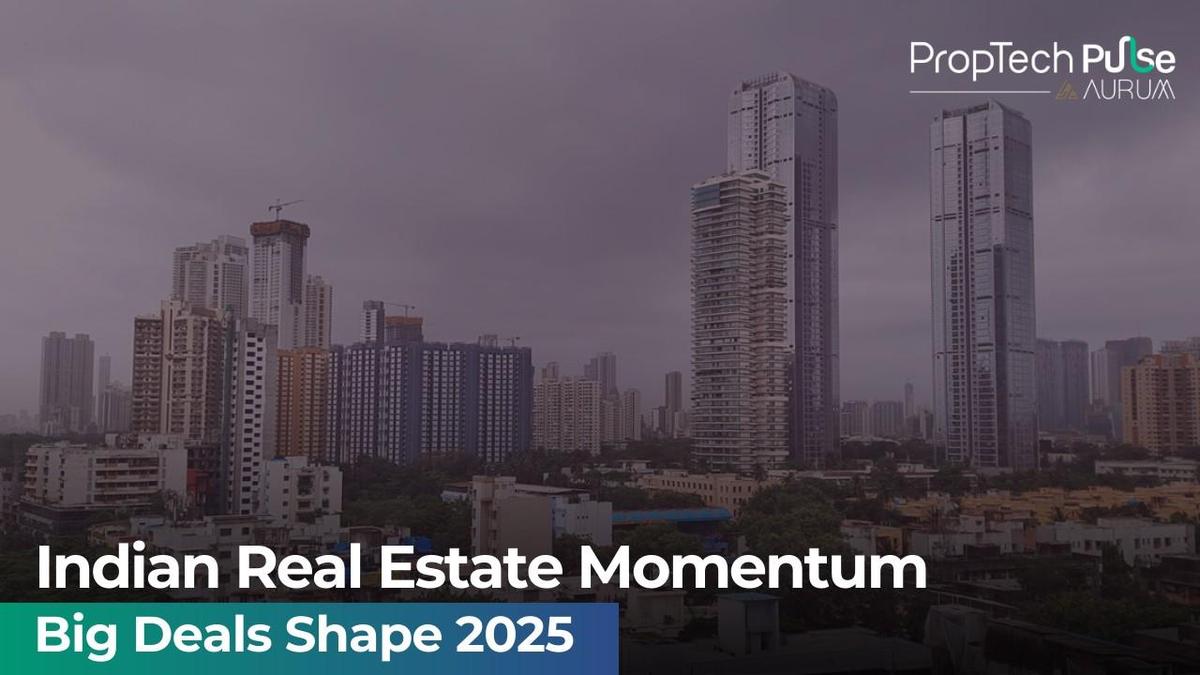
Market Overview Entering 2025
As 2025 unfolds, India’s real estate sector is reflecting a shift in both scale and composition of investments. While residential demand remains broad-based, a growing share of capital is being channelled into luxury housing and digital infrastructure assets. This transition highlights changing buyer preferences, evolving lifestyle aspirations, and the increasing role of technology-driven demand in shaping property markets.
Urban centres continue to dominate deal activity, supported by employment growth, infrastructure upgrades, and sustained investor interest in long-term assets.
Rise of Luxury Residential Developments
Luxury housing has emerged as a key growth driver, particularly in major metropolitan regions. Demand in this segment is being led by high-income households, business owners, and senior professionals seeking upgraded living environments. Features such as larger layouts, premium amenities, privacy, and integrated lifestyle offerings have become central to purchase decisions.
Developers are responding by focusing on high-quality execution, limited inventory launches, and well-located projects. This supply discipline has supported absorption even amid broader market fluctuations.
Data Centres Gain Prominence
Alongside residential growth, data centres have become one of the most active asset classes in 2025. The expansion of cloud computing, digital payments, streaming services, and enterprise technology platforms has significantly increased demand for secure and scalable data storage facilities.
Real estate-linked investments in data centres are being driven by their long-term lease structures, stable cash flows, and alignment with India’s digital economy growth. Cities with reliable power supply, connectivity, and regulatory clarity are emerging as preferred locations for such developments.
Investor Behaviour and Capital Flows
Investor participation in 2025 reflects a preference for assets offering long-term visibility rather than short-term speculative gains. Institutional investors and large developers are focusing on projects with strong fundamentals, regulatory compliance, and sustainable demand drivers.
This approach has contributed to larger deal sizes and fewer, but more concentrated, transactions across residential and commercial segments.
Impact of Infrastructure and Urbanisation
Infrastructure development continues to play a crucial role in shaping real estate outcomes. Improvements in transport connectivity, digital infrastructure, and urban services have enhanced the attractiveness of select corridors and business districts.
Urbanisation trends, supported by migration and employment concentration, remain a key factor sustaining housing demand and commercial space utilisation.
Changing Buyer Preferences
Buyer expectations have evolved significantly. Beyond location and pricing, considerations such as quality of life, sustainability, and long-term usability are influencing decisions. In luxury housing, this has translated into demand for thoughtfully designed spaces, green features, and community-oriented developments.
In commercial assets like data centres, operational efficiency and reliability have become decisive factors.
Market Risks and Cautious Optimism
Despite positive momentum, market participants remain mindful of risks including interest rate movements, construction cost pressures, and regulatory timelines. Developers and investors are adopting cautious expansion strategies to balance growth with financial discipline.
This measured approach has helped maintain stability and avoid excessive oversupply in key segments.
Outlook for the Remainder of 2025
Looking ahead, India’s real estate sector is expected to remain active, with luxury housing and digital infrastructure continuing to attract capital. While growth rates may vary across cities and asset classes, the underlying demand drivers remain intact.
The prominence of high-value property deals in 2025 underscores a broader shift toward quality-driven development and long-term investment strategies, positioning real estate as a central component of India’s evolving economic landscape.
Enjoyed this update? Visit PropTech Pulse for more real estate news and market insights.