New Launch - India Real Estate Report 2026.

Services
Knowledge Hub
Resources
Tools

Ask Pulse Ai
Services
FOR BUYERS & RENTERS
FOR REAL ESTATE DEVELOPERS








Refer other Connectors &
Multiply IncomeRefer other Connectors
& Multiply Income
Refer KuberX & earn
commission on every
loan they get
disbursed.


Scan & Download
©PropTech Pulse 2025, All rights reserved.


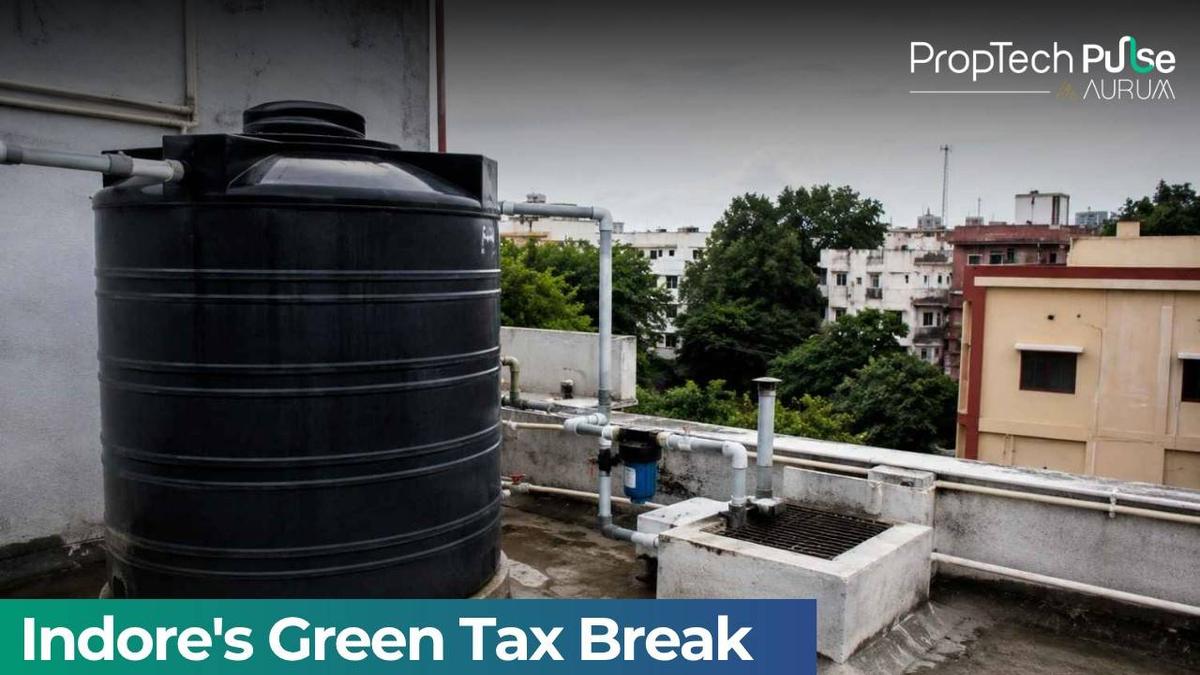
Indore has consistently led India's cleanliness rankings, and the city is now using its property tax system to push sustainability even further. Mayor Pushyamitra Bhargav has announced a 10% property tax rebate for homeowners who install and maintain functional rainwater harvesting systems on their premises. The incentive, administered by the Indore Municipal Corporation, is designed to encourage wider adoption of water conservation infrastructure at the household level and to reduce pressure on the city's groundwater resources as urbanisation intensifies.
How Indore homeowners can claim the property tax rebate
The process to qualify is structured and verification-based rather than self-declared. Property owners must first install a functional rainwater harvesting system on their premises. They must then get the system inspected and tested by the Indore Municipal Corporation, followed by obtaining certification from designated municipal building officers or inspectors. Only properties that complete this full verification process will be eligible for the 10% reduction. The certification requirement serves a dual purpose: it ensures systems are genuinely operational rather than installed for appearances, and it creates a civic record of water-harvesting infrastructure across the city that planners can use for future water management decisions.
💧
10% Property Tax Rebate
Indore homeowners can receive a 10% property tax rebate by installing and maintaining a functional rainwater harvesting system.
✅
Verification Required
The rebate is available only after the rainwater harvesting system is inspected, tested and certified by the Indore Municipal Corporation.
🔧
Ongoing Maintenance
Homeowners must keep the system operational. The rebate will be withdrawn if future inspections find it is no longer functional.
🌱
Promoting Water Conservation
The initiative encourages groundwater recharge and sustainable water management through financial incentives instead of mandatory rules.
🏙️
Model for Sustainable Cities
Indore's tax incentive demonstrates how Indian cities can use fiscal policies to promote greener and more resilient urban development.
The rebate comes with a continuing obligation
One of the more significant design elements of the scheme is that the tax benefit is not a one-time reward for installation. Municipal authorities have clarified that the rainwater harvesting system must remain operational to continue receiving the concession. If future inspections find that a previously certified system has stopped functioning or has been removed, the property tax rebate will be automatically withdrawn from the next financial year. This means homeowners must maintain their systems to keep the benefit, turning what might have been a one-time compliance exercise into an ongoing commitment to active water conservation. That design choice is deliberate: intermittently functional systems contribute little to groundwater recharge, so the city is using the tax incentive to keep the infrastructure performing rather than simply incentivising installation.
Why Indore is using financial incentives rather than mandates
With growing urbanisation placing increasing pressure on water resources, civic authorities across India face a fundamental choice between mandating water conservation measures and incentivising them. Indore's approach reflects a preference for the incentive model, built on the logic that financial savings encourage broader voluntary adoption, particularly among homeowners who might resist or delay compliance with a mandatory requirement. The 10% rebate is meaningful enough to prompt genuine behaviour change: for a mid-range property with an annual tax bill of any significant size, the saving justifies the upfront cost of installing a properly specified system. That calculation is the mechanism the city is relying on to drive scale.
What it signals for sustainable real estate in Indian cities
Indore's property tax rebate model is an example of a broader shift in how Indian municipalities are beginning to use fiscal tools to drive sustainable built-environment outcomes. Rather than relying exclusively on building by-law mandates, which apply only to new construction, financial incentives can reach existing stock across the entire city. As water stress intensifies in urban India and the costs of supplementary water supply through tankers and treatment rise, the economics of rainwater harvesting will improve anyway. A city that gets ahead of that curve by building a base of certified, maintained rainwater systems now is investing in resilience for a future where groundwater scarcity is a more acute constraint on urban growth than it is today.
Enjoyed this update? Visit PropTech Pulse for more real estate news and market insights.


