New Launch - India Real Estate Report 2026.

Services
Knowledge Hub
Resources
Tools

Ask Pulse Ai
©PropTech Pulse 2025, All rights reserved.


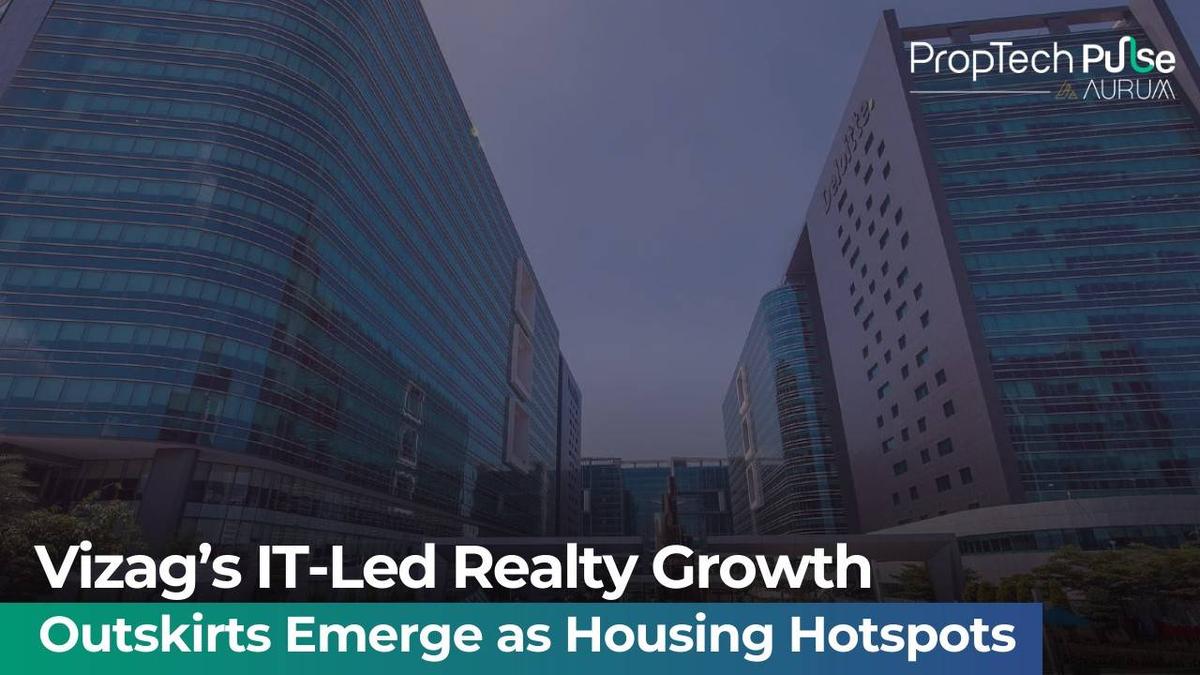
IT Expansion Reshaping Visakhapatnam
Visakhapatnam has been steadily positioning itself as an emerging technology and services destination in eastern India. As IT and allied sectors expand their presence in and around the city, the impact is increasingly visible in the real estate market—especially across the outskirts and peripheral corridors. This growth is being driven by a combination of new investments, job creation, and improving urban infrastructure.
Unlike sudden speculative booms, Vizag’s transformation has been gradual, supported by planned development and a growing base of professionals relocating to the region for work opportunities.
Rising Residential Demand on the City’s Periphery
The expansion of IT activity has directly influenced housing demand. Professionals moving to Vizag are seeking homes that balance affordability, connectivity, and liveability. As a result, areas outside the traditional city core are seeing increased interest from both end-users and developers.
Peripheral locations offer larger land parcels and relatively lower property prices, making them suitable for new residential developments. These zones are increasingly being viewed as long-term living destinations rather than temporary alternatives to central city areas.
Key Drivers Behind the Realty Upswing
Several structural factors are contributing to the real estate momentum in Vizag’s outskirts:
- Expansion of IT and services companies creating sustained employment demand
- Increased job opportunities attracting professionals from within and outside the state
- Availability of affordable housing compared to larger metropolitan cities
- Ongoing infrastructure development, including roads and civic amenities
Together, these factors have strengthened confidence among homebuyers looking for long-term stability rather than short-term gains.
Infrastructure as a Supporting Pillar
Infrastructure development has played a crucial supporting role in Vizag’s real estate growth. Improved road connectivity, expansion of public transport networks, and better access to essential services have enhanced the attractiveness of peripheral residential areas.
As connectivity improves, the distance between workplaces and residential zones becomes less of a constraint, allowing housing demand to spread more evenly across the region.
Developer Response and Project Pipeline
Developers have responded to rising demand by planning and launching new residential projects tailored to mid-income and upper-mid-income buyers. These developments often focus on functional layouts, basic amenities, and community living rather than high-end luxury features.
This supply-side response indicates a measured approach, with developers aligning project scale and pricing to actual demand rather than speculative expectations.
End-User Driven Market Characteristics
Unlike investor-heavy markets, Vizag’s housing demand is largely end-user driven. Buyers are primarily professionals and families looking for self-occupation, which contributes to greater price stability and reduces volatility.
This dynamic has helped maintain balanced growth, preventing sharp price spikes while ensuring steady absorption of new supply.
Future Outlook for Vizag’s Housing Market
Looking ahead, the real estate outlook for Vizag’s outskirts remains positive, provided employment growth in the IT and services sectors continues. New residential projects, coupled with phased infrastructure upgrades, are expected to support sustained housing demand.
However, market observers note that long-term success will depend on timely infrastructure execution, quality project delivery, and alignment between supply and genuine demand.
Conclusion
The growth of the IT sector has emerged as a key catalyst in reshaping Vizag’s real estate landscape, particularly in its outskirts. With rising job opportunities, improving infrastructure, and relatively affordable housing options, these areas are evolving into viable residential hubs.
As the city continues to develop, the interaction between employment growth and housing supply is likely to play a defining role in shaping Vizag’s next phase of urban expansion.
Enjoyed this update? Visit PropTech Pulse for more real estate news and market insights.


