New Launch - India Real Estate Report 2026.

Services
Knowledge Hub
Resources
Tools

Ask Pulse Ai
©PropTech Pulse 2025, All rights reserved.


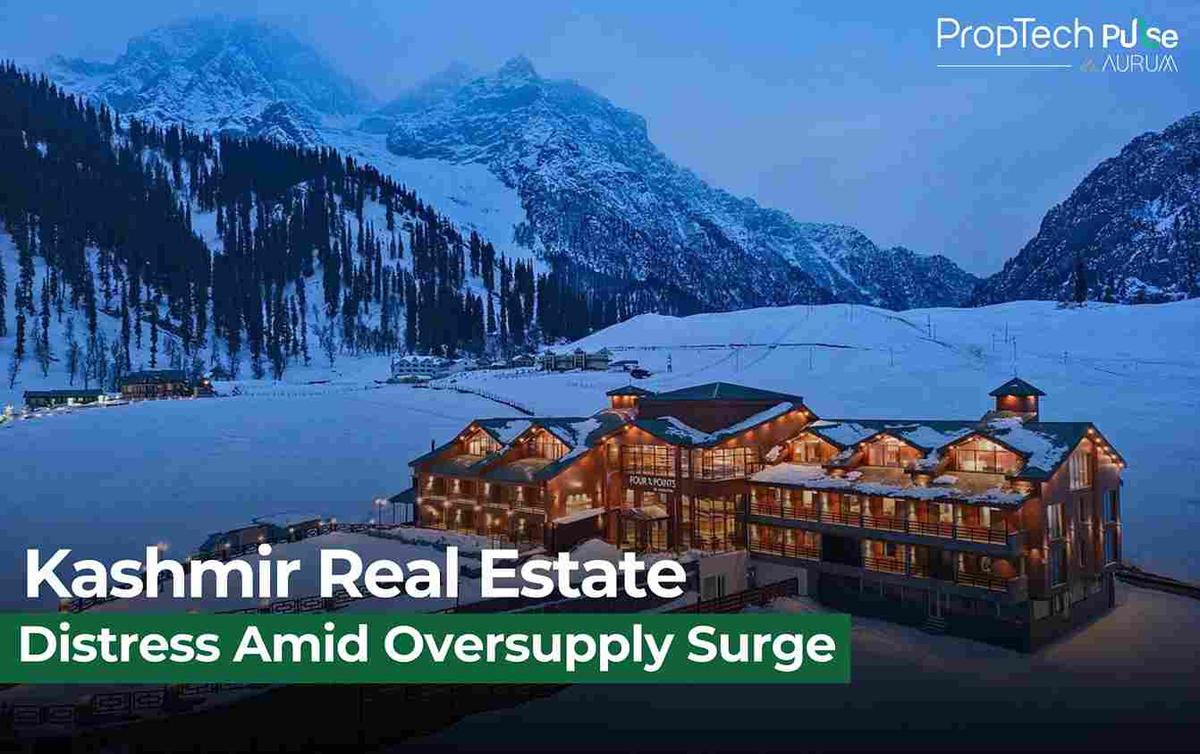
A Market Flooded with Listings
The scenic valleys of Kashmir, long cherished for their beauty, are now telling a different story — one of economic strain and real estate distress.
In recent months, Kashmir's commercial real estate sector, especially hotels, resorts, and guest houses, has been flooded with properties listed for sale. Yet, despite this surge in supply, serious buyers remain few and far between.
Over-Leveraging and Unrealistic Expectations
At the heart of the issue lies a cycle of over-leveraging and unrealistic expectations.
Following the post-pandemic tourism revival, entrepreneurs rushed to invest heavily, fueled by optimistic forecasts and easy bank loans. New hotels and commercial structures dotted the landscape, built on hopes of sustained business.
However, the ground reality has been less forgiving. Tourist inflows remain seasonal, operational expenses are high, and policy uncertainties continue to cloud the investment environment. As a result, many properties have failed to generate enough income to meet debt obligations.
Rising Distress Sales and Investor Caution
Now, the distress is palpable.
Banks are aggressively pursuing recoveries, borrowers are pushed to the edge, and distress sales — often at prices well below construction costs — dominate the market.
Yet, despite the falling prices, investors remain cautious. Market volatility, political sensitivities, and the fear of oversupply are deterring new investments.
Broader Risks to the Banking Sector
The implications stretch beyond individual businesses.
If loan defaults escalate, they could ripple through the banking sector, creating systemic risks for the broader economy of Jammu & Kashmir. Policymakers must act proactively, offering both financial and policy support to stabilize the real estate market.
Opportunities and Risks for Investors
For investors, opportunities exist — but so do significant risks.
A careful assessment of tourism trends, political developments, and long-term sustainability is essential before making any acquisition. A blind rush could trigger a deeper market collapse.
A Defining Moment for Kashmir’s Economy
Kashmir’s commercial real estate market stands at a defining moment.
The choices made now — by banks, entrepreneurs, government agencies, and investors — will determine whether the region can manage a soft landing or spiral into a deeper economic crisis.
The warnings are loud and clear. It's time for cautious, coordinated action — before the damage becomes irreversible.


