
Ask Pulse Ai
Services
Knowledge Hub
Resources
Tools
Ask Pulse Ai
Services







©PropTech Pulse 2025, All rights reserved.

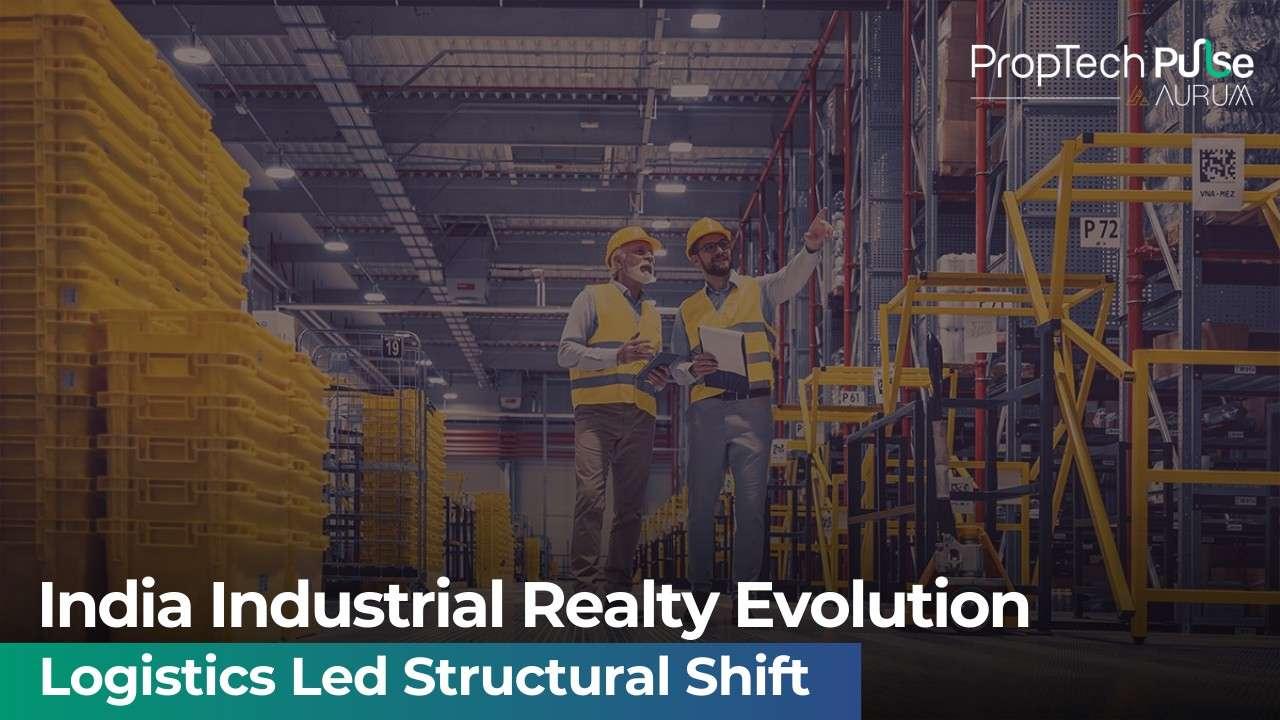
Structural Transformation Of Industrial Real Estate
India’s industrial real estate market is witnessing a structural shift from fragmented warehousing to organised Grade A assets. The evolution is being shaped by rapid e-commerce expansion, manufacturing growth, and integrated supply chain networks that demand modern, scalable infrastructure.
Rise Of Grade A Warehousing
Occupiers increasingly prefer large-format, compliant warehouses equipped with automation capabilities and efficient layouts. This shift reflects growing demand for institutional-grade logistics infrastructure capable of handling higher throughput and advanced inventory systems.
Infrastructure And Corridor Development
Dedicated freight corridors, highway upgrades, multimodal logistics parks, and port connectivity improvements are unlocking new industrial clusters. Infrastructure investment supports geographically diversified industrial expansion across established and emerging markets.
E Commerce And Retail Drivers
The rapid scale-up of e-commerce platforms and organised retail chains has accelerated warehousing requirements near consumption centres. This has strengthened last mile and mid mile logistics absorption in Tier 1 and Tier 2 cities.
Manufacturing And Make In India Push
Policy initiatives supporting domestic manufacturing are contributing to industrial land acquisition and facility development. Expansion across sectors such as electronics, automotive, and consumer goods underpins long term manufacturing led real estate demand.
Institutional Capital Participation
Global and domestic institutional investors are actively deploying capital into industrial and logistics assets. Structured platforms, joint ventures, and REIT participation reflect increasing asset class formalisation within India’s industrial real estate ecosystem.
Emergence Of Tier 2 And Tier 3 Markets
Beyond major metros, secondary markets are gaining prominence due to lower land costs and improving connectivity. This trend supports decentralised industrial growth patterns aligned with consumption and production hubs.
Technology And Automation Integration
Modern warehouses incorporate automation, data analytics, and energy-efficient designs to enhance operational productivity. These upgrades reinforce technology-driven supply chain optimisation across logistics networks.
Resilience Through Diversification
The sector’s resilience is supported by diversified occupier demand spanning e-commerce, third-party logistics, manufacturing, and FMCG. This diversified base enhances stable absorption and rental performance across asset portfolios.
Outlook For Long Term Growth
With sustained infrastructure investment, policy support, and institutional capital inflows, India’s industrial real estate is positioned for continued expansion. The evolution reflects maturing asset class fundamentals and increasing global integration.
Conclusion
India’s industrial real estate sector is transitioning toward organised, technology-enabled, and institutionally backed growth. The ongoing transformation underscores long-term structural momentum in logistics and manufacturing-linked property markets.
Enjoyed this update? Visit PropTech Pulse for more real estate news and market insights.




Unlock the Latest in Real Estate
News, Infographics, Blogs & More! Delivered to your inbox.